


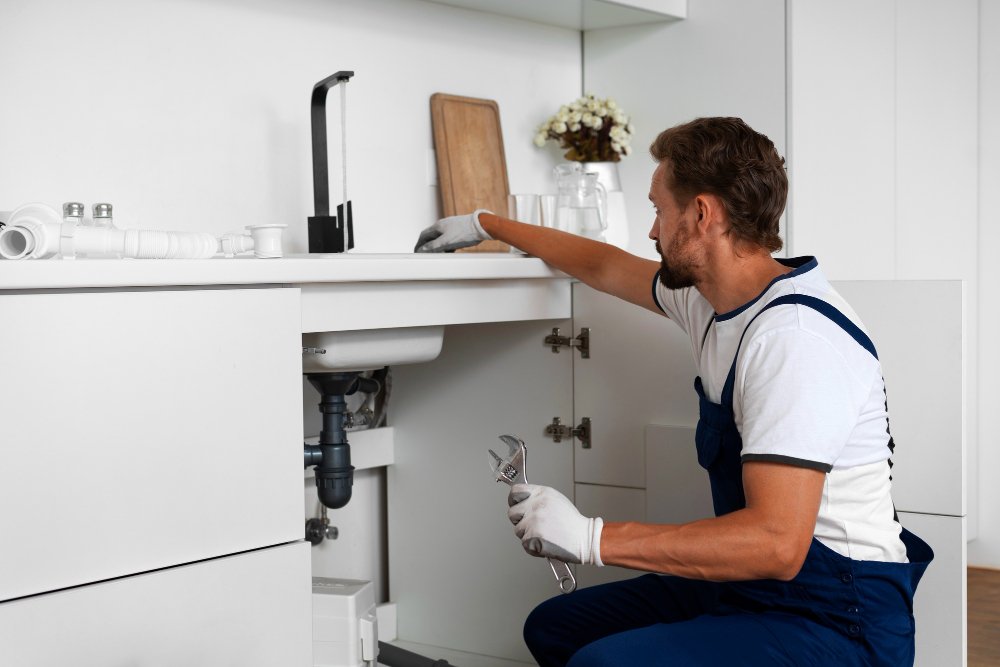
Have you ever stared at a mysterious puddle forming on your floor, wondering where on earth it’s coming from? Or perhaps you’ve dealt with a drain that just won’t clear, no matter how much you plunge? What exactly makes some plumbing issues so tricky that even the most determined DIY enthusiast throws in the towel?
Complex plumbing problems go beyond your typical dripping tap or slow drain. We’re talking about hidden leaks destroying walls from the inside, tree roots invading your sewer lines, or pressure issues that threaten your entire hot water system. These situations require specialised knowledge, professional equipment, and years of hands-on experience. Simply put, a YouTube tutorial and a trip to Bunnings won’t cut it.
In this post, we’ll explore ten proven techniques that licensed plumbers rely on to tackle the toughest plumbing challenges Australian homeowners face. From cutting-edge camera inspections to trenchless pipe repairs, you’ll discover why professional methods get results when DIY efforts fall short. Whether you’re curious about what happens when you call a plumber or you’re weighing up whether to tackle an issue yourself, this guide will give you valuable insight into the world of professional plumbing.
Advanced Leak Detection Technology
Hidden leaks are every homeowner’s nightmare. Water silently seeping behind walls or under floors can cause thousands of dollars in damage before you even notice something’s wrong. So how do plumbers find these sneaky leaks without tearing your house apart?
Thermal Imaging and Acoustic Detection Methods
Professional plumbers use thermal imaging cameras that detect temperature differences behind surfaces. Since water changes the temperature of materials it touches, these cameras can pinpoint exactly where moisture is hiding. It’s like having X-ray vision for your walls. Acoustic detection equipment picks up the sound of water escaping from pipes, even through concrete and tiles.
When should you call in the experts? If you notice unexplained spikes in your water bill, damp patches appearing on walls, or musty odours you can’t trace, it’s time to get professional leak detection. Early intervention saves money and prevents structural damage to your home.
CCTV Drain Camera Inspections
Imagine being able to see exactly what’s happening inside your pipes without digging up your garden. That’s precisely what CCTV drain inspections offer. Plumbers insert a small, waterproof camera attached to a flexible cable into your drainage system, providing real-time footage of the pipe’s interior.
Identifying Blockages, Tree Root Intrusion, and Pipe Damage
This technology reveals blockages, cracks, collapsed sections, and tree root intrusion with remarkable clarity. In Australian homes, particularly older properties with clay pipes, root intrusion is incredibly common. Gum trees and other native species have aggressive root systems that seek out moisture sources.
The camera inspection also helps plumbers determine the exact location and depth of problems, making repairs far more efficient. Rather than guessing and digging in multiple spots, they can target the precise issue. Many Australian plumbers now provide homeowners with video footage, so you can see exactly what they’re dealing with.
Hydro Jetting for Stubborn Blockages
When traditional drain snakes and plungers fail, hydro jetting steps in as the heavy artillery. This technique uses high-pressure water sometimes up to 5,000 PSI to blast through even the most stubborn blockages and clean pipe walls thoroughly.
High-Pressure Water Jetting vs Traditional Methods
Unlike mechanical methods that simply punch holes through blockages, hydro jetting removes buildup completely. It scours away grease, scale, soap residue, and even tree roots, leaving pipes almost like new. The result? Longer-lasting results and improved flow throughout your drainage system.
Is hydro jetting safe for old pipes? A skilled plumber will always conduct a camera inspection first to assess pipe condition. For severely deteriorated pipes, gentler methods might be recommended. However, for most systems in reasonable condition, hydro jetting is both safe and highly effective.
Pipe Relining and Trenchless Repairs
Here’s a question many homeowners ask: can damaged pipes be fixed without digging up the entire yard? The answer is yes, thanks to pipe relining technology. This innovative method has revolutionised how plumbers approach underground pipe repairs.
The Pipe Relining Process Explained
The process involves inserting a flexible liner coated with special resin into the damaged pipe. Once positioned correctly, the liner is inflated and left to cure, creating a new pipe within the old one. The result is a seamless, joint-free pipe that’s often stronger than the original.
For homeowners, the benefits are substantial. No destroyed gardens, driveways, or landscaping. Repairs that once took days now take hours. Plus, relined pipes typically come with warranties of 50 years or more. While the upfront cost might seem higher, the savings on restoration work make it extremely cost-effective.
Pressure Testing and Diagnostics
Professional plumbers don’t just fix visible problems they test entire systems to identify weak points before they become disasters. Pressure testing involves isolating sections of your plumbing and introducing air or water at specific pressures to check for leaks and structural integrity.
This diagnostic approach is particularly valuable after renovations, in pre-purchase property inspections, or when investigating unexplained water loss. By identifying vulnerabilities early, homeowners can address minor issues before they escalate into major repairs.
Thermal Expansion and Backflow Solutions
Hot water systems create thermal expansion water increases in volume as it heats. Without proper management, this pressure buildup can damage pipes, fittings, and the hot water unit itself. Licensed plumbers install expansion vessels and relief valves to manage this pressure safely.
Backflow prevention is another critical area. When pressure drops in the mains supply, contaminated water can potentially flow backwards into your drinking water. Australian regulations require backflow prevention devices on many properties, and licensed plumbers conduct annual testing to ensure compliance and safety.
Root Intrusion Treatment and Gas Line Expertise
Tree roots in pipes require a multi-pronged approach. Plumbers first remove existing roots using mechanical cutters or hydro jetting, then apply root-killing foam treatments to prevent regrowth. For severe cases, pipe relining creates a barrier roots cannot penetrate.
Gas plumbing sits in a category of its own. Only licensed gas fitters can legally work on gas lines in Australia, and for good reason. The safety protocols involved including pressure testing, leak detection with specialised equipment, and compliance checks require specialist training. Never attempt DIY gas work; the risks simply aren’t worth it.
Water Hammer and Pressure Regulation
That loud banging noise when you turn off a tap? That’s water hammer, caused by sudden pressure changes in your pipes. Left untreated, it can damage joints and fittings throughout your system. Plumbers fix this by installing water hammer arrestors or adjusting system pressure.
Pressure limiting valves are another common solution. Many Australian properties receive mains water at pressures higher than household plumbing is designed for. Installing a pressure limiting valve protects your entire system and extends the lifespan of appliances, taps, and fittings.
How to Choose the Right Plumber for Complex Jobs
Before hiring a plumber for complex work, ask about their experience with your specific problem. Request their licence number and verify it through your state’s licensing authority. In Australia, plumbers must hold current licences and appropriate insurance don’t be shy about asking for proof.
Get written quotes that detail the work involved, not just a bottom-line figure. Ask about warranties on both labour and materials. A reputable plumber will happily answer your questions and explain their approach. If someone seems evasive or pushy, trust your instincts and look elsewhere.
When to Call a Professional Plumber
So, what have we learned? Complex plumbing problems require professional techniques, specialised equipment, and genuine expertise. From thermal imaging that spots hidden leaks to pipe relining that repairs drains without excavation, today’s plumbers have remarkable tools at their disposal.
The key takeaway? Know your limits. Simple jobs like changing a tap washer or clearing a minor drain blockage are reasonable DIY tasks. However, anything involving hidden leaks, gas lines, sewer systems, or structural plumbing deserves professional attention. Attempting complex repairs yourself often costs more in the long run when things go wrong.
Protecting your home from future plumbing problems starts with regular maintenance and acting quickly when issues arise. Build a relationship with a trusted local plumber, schedule periodic inspections, and never ignore warning signs like unusual sounds, smells, or unexplained water usage. Your home and your wallet will thank you for it.