5 Types of House Alarms to Consider
Owning a home in Australia is a significant achievement. Whether you have purchased a classic Federation-style house in the suburbs, a modern apartment in the city, or are building your dream home from scratch, protecting that investment is a top priority. As we spend more time renovating and improving our living spaces, the conversation naturally turns to security. This is where choosing the right house alarms becomes a vital step in your home improvement journey.
The Australian market offers a wide variety of security solutions, which can sometimes make the decision process feel complicated. Gone are the days when a noisy bell box on the front wall was the only option. Today, technology has evolved to offer smarter, more integrated, and user-friendly systems. However, the core goal remains the same: keeping your family and your property safe.
To help you navigate the options available, we have broken down the five main categories of security systems. Understanding the differences will help you select the best solution for your lifestyle, your property type, and your specific security needs.
1. Hardwired House Alarms
For decades, hardwired systems have been the backbone of residential security in Australia. As the name suggests, these systems connect all the sensors, keypads, and the main control panel using physical cables hidden within the walls and ceiling cavity.
Why Choose Hardwired?
Reliability is the primary benefit here. Because the components are physically connected, there is no risk of signal interference from other electronic devices or thick concrete walls. Hardwired house alarms do not require batteries in the individual sensors, meaning you do not have to worry about changing them every year. The system draws power from your mains electricity, with a backup battery in the main panel to keep things running during a blackout.
Best For:
- New Builds and Renovations: If you are building a new home or stripping walls back for a renovation, this is the perfect time to install a hardwired system. Licensed installers can run the cables easily before the plasterboard goes up.
- Large Properties: For larger homes where wireless signals might struggle to reach from one end to the other, a wired connection ensures every zone is covered.
- Low Maintenance: Once installed, these systems require very little ongoing attention regarding hardware.
2. Wireless House Alarms
In the past, wireless technology was viewed with skepticism, but today, it is a robust and highly effective option. Wireless house alarms communicate via radio frequencies. The sensors talk to the control panel without the need for physical cables running through the walls.
Why Choose Wireless?
The biggest advantage is flexibility. Installing a wireless system is much faster and less invasive than a wired one. There is no need to drill holes in your cornices or lift roof tiles to fish cables through. This makes for a very clean installation that respects the aesthetics of your home.
Best For:
- Double-Brick Homes: Many older Australian homes are built with double brick, making it nearly impossible to run cables through the wall cavities. Wireless sensors solve this problem instantly.
- Renters: If you are renting but still want to secure your belongings, a wireless system can be installed and then taken with you when you move to your next property.
- Heritage Homes: For properties with heritage listings or delicate interior finishes (like pressed metal ceilings), wireless house alarms allow you to add security without damaging the original fabric of the building.
3. Smart App-Integrated Systems
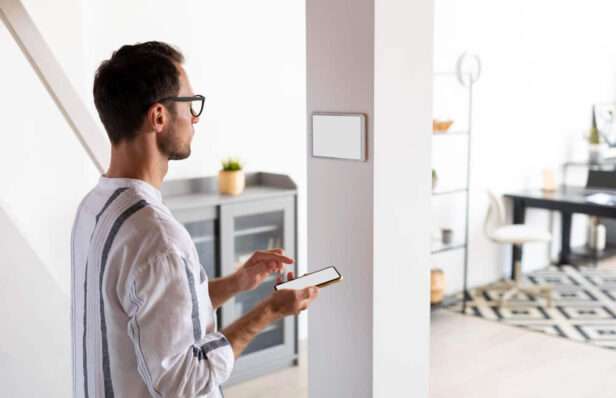
We manage our banking, our shopping, and our social lives from our smartphones. It makes sense that we should manage our home security the same way. Smart house alarms are essentially modern systems (wired or wireless) that connect to the internet, usually via your home NBN connection or a mobile data SIM card.
Why Choose Smart Integration?
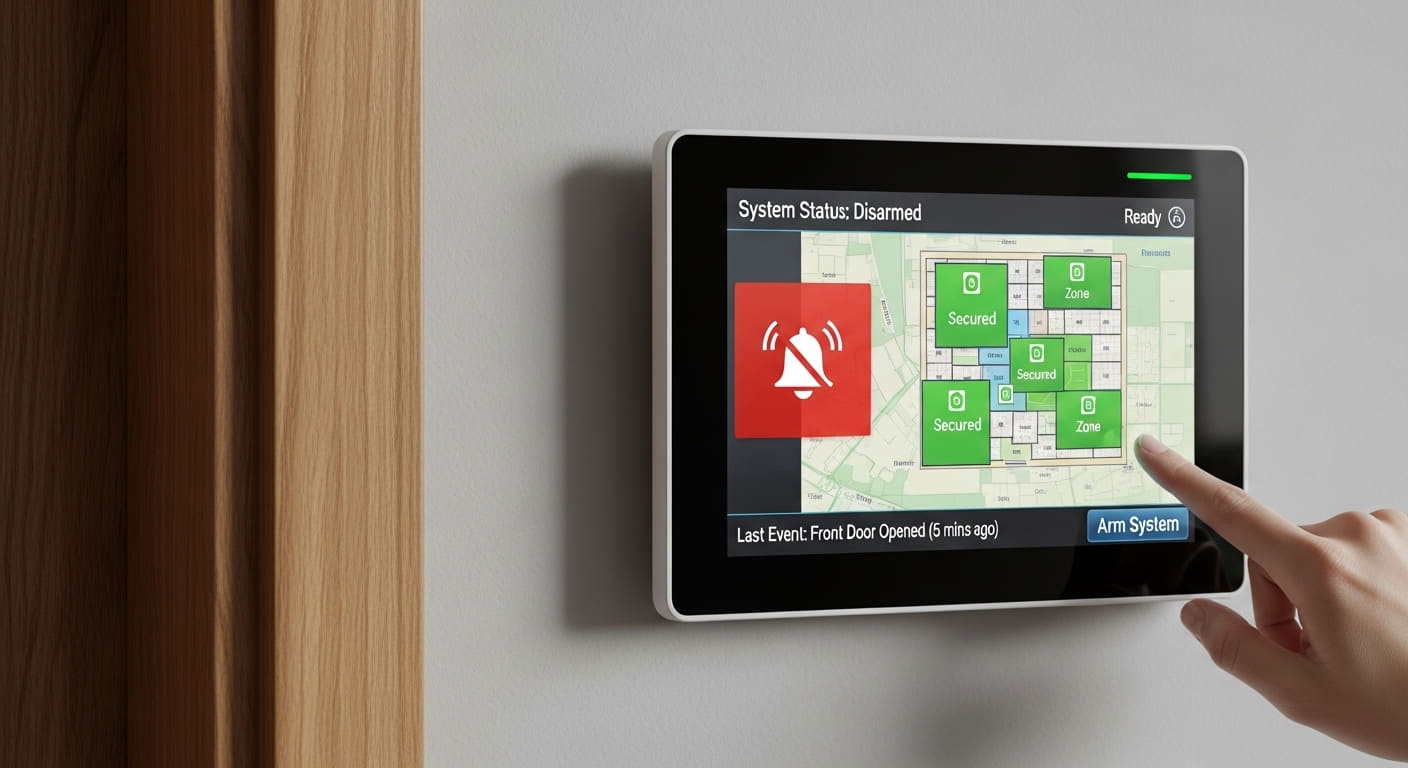
This type of system puts control in the palm of your hand. You can arm and disarm your system remotely using a dedicated app. If you get to work and panic that you forgot to set the alarm, a quick check on your phone resolves the issue. Furthermore, these systems send “push notifications” directly to your device. Instead of just a siren ringing that neighbors might ignore, you get an immediate alert telling you exactly which sensor was triggered.
Best For:
- Busy Families: If you have kids coming home from school before you finish work, you can check the app to see that they arrived and disarmed the system safely.
- Travelers: Australians love to travel. Whether you are camping in the bush or holidaying overseas, a smart system keeps you connected to your home’s status 24/7.
- NBN Compatibility: As the old copper phone lines are phased out across Australia, smart systems utilize the NBN for communication, ensuring your system remains future-proof.
4. Back-to-Base Monitored Alarms
While a siren is a great deterrent, sometimes you need guaranteed action. Back-to-base monitored house alarms are connected to a professional security response center. When your alarm goes off, a signal is sent immediately to a 24-hour control room.
Why Choose Monitoring?
The main advantage is the human element. If you are on a flight or your phone is out of battery, you might miss a notification from a smart app. A monitoring center never misses a signal. Upon receiving an alarm, the operators follow your pre-agreed instructions. This might involve calling you, calling your nominated emergency contacts, or dispatching a security patrol car to inspect the premises.
Best For:
- High-Value Assets: If you have expensive equipment, jewelry, or vehicles at home, professional monitoring ensures a rapid response to minimize loss.
- Frequent Absences: For homeowners who work remote shifts or travel frequently, knowing that a professional team is watching over the property offers immense peace of mind.
- Insurance Benefits: Many insurance providers in Australia offer reduced premiums for homes with monitored house alarms, as the risk of prolonged burglary is significantly lower.
5. Perimeter and Outdoor Alarms
Most people think of alarms as motion sensors inside the hallway. However, perimeter systems are designed to detect an intruder before they enter your home. This approach focuses on the outer shell of the property.
Why Choose Perimeter Protection?
The philosophy here is prevention. By the time an internal motion sensor triggers, the intruder is already inside. Perimeter house alarms use devices like reed switches on windows and doors, or special outdoor sensors that detect movement in the garden or driveway. This allows you to “arm” the perimeter of your house while you are still inside.
Best For:
- Nighttime Safety: You can arm the doors and windows while you sleep. This allows you to move freely around the kitchen or bathroom during the night without triggering the alarm, but if someone tries to force a window open, the siren sounds immediately.
- Summer Living: In Australia, we often want to leave windows open for a breeze. Some perimeter systems allow for specific configurations where you can secure the screens or outer barriers while keeping air flow.
- Large Gardens: If you have a long driveway or a shed with tools, outdoor sensors can alert you to presence on the property long before they reach the front door.
Key Considerations for Australian Homes
When selecting between these five types, there are specific local factors to keep in mind.
The NBN Transition
The rollout of the National Broadband Network has changed how alarms communicate. Older systems that relied on the copper landline (PSTN) often stop working when a home switches to NBN. When upgrading or installing new house alarms, ensure the equipment is NBN-ready. This usually involves an IP module that plugs into your router or a GPRS module that uses the mobile network, which is often more secure as it works even if the internet cable is cut.
Pet Friendly Sensors
Australians have one of the highest rates of pet ownership in the world. A common worry is that a dog or cat will trigger the alarm constantly. Modern systems use “Pet Immune” or “TriTech” sensors. These intelligent devices analyze the mass and heat signature of the moving object. They can distinguish between a human intruder and a family pet (usually up to a certain weight, like 10kg or 15kg), allowing you to secure your home without locking your furry friend outside.
Backup Batteries
Our weather can be unpredictable, and storms often lead to power outages. High-quality house alarms always include a backup battery in the main control panel. This ensures that even if the street power goes down, your security system remains active and vigilant.
House Alarms
Questions and Answers: Common Questions About house alarms in Australia
Q: Will my house alarm work if the NBN goes down?
This depends on how your system is set up. If your system relies solely on the internet connection via the NBN, it may lose communication during an outage. However, most professional installations in Australia now recommend a “Dual Path” or GPRS solution. This adds a SIM card to the alarm panel, similar to a mobile phone. If the NBN internet connection drops, the system switches to the mobile network to ensure it can still send alerts.
Q: Can I install a house alarm myself?
While you can buy DIY kits, there are legal and practical limitations. In most Australian states, cabling work (for wired systems) must be done by a licensed security installer or cabler. Furthermore, professional installation ensures sensors are placed correctly to avoid false alarms. Insurance companies may also require proof of professional installation to honor burglary claims or offer premium discounts.
Q: Do I need a landline phone for a security system?
No, you do not. In fact, traditional landlines are becoming obsolete for security purposes. Modern house alarms are designed to use the internet (IP) or mobile data (GPRS/4G) to communicate. This is generally faster and more reliable than the old dial-up method.
Q: How do I stop false alarms from insects or geckos?
Australia has plenty of wildlife, including spiders and geckos that love warm electronics. High-quality sensors used by professional installers are sealed to prevent bugs from getting inside the lens. They also use advanced “pulse count” technology, which requires significant movement to trigger the alarm, meaning a small spider walking across the casing won’t set off the sirens.
Q: Is a monitored alarm worth the ongoing cost?
For many Australians, the answer is yes. The value lies in the response. If you are in a meeting, at the movies, or asleep, you might miss a phone notification. A monitoring center operates 24/7. Additionally, the potential reduction in home insurance premiums can sometimes offset a portion of the monitoring fees.
Conclusion: Your Path to a Successful house alarms in Australia
Choosing the right security system is a foundational step in home improvement. It protects your family, safeguards your valuables, and provides a sense of comfort that transforms a house into a sanctuary. Whether you opt for the reliability of a hardwired system, the flexibility of wireless sensors, or the modern convenience of smartphone integration, the technology exists to suit your specific situation.
The most effective house alarms are those that are customized to the layout of your home and the rhythm of your daily life. A system that is easy to use is a system that gets used every day. Conversely, a complicated system often ends up forgotten.
For homeowners looking to secure their property with professional grade equipment, seeking expert advice is the best starting point. Evaluating your property’s vulnerability points—entryways, windows, and blind spots—requires a trained eye.
If you are ready to explore how a tailored security solution can fit into your home, visiting Advance Security is your next actionable step. Their expertise in professional installation ensures that whether you choose a wired, wireless, or hybrid solution, it will be set up to meet the rigorous standards required for Australian conditions. Don’t leave your home security to chance; invest in a system that watches over you so you can focus on enjoying your home.