Best Waterproofing Practices for Longevity
Have you ever walked into your bathroom only to notice a musty smell that won’t budge? Or perhaps you’ve spotted mysterious dark patches creeping along your walls? Maybe you’re wondering why your balcony tiles are suddenly lifting at the edges? These are classic signs that water has found its way where it shouldn’t be, and it’s causing damage you might not even see.
Waterproofing isn’t just another box to tick during construction or renovation. It’s actually one of the most critical investments you can make to protect your property. In Australia’s diverse climate—from humid tropical conditions up north to heavy rainfall along the coast—keeping water out is absolutely essential. Without proper waterproofing, you’re essentially leaving your home vulnerable to structural damage, mould growth, and costly repairs down the track.
In this guide, we’ll explore everything you need to know about waterproofing your home for long-term protection. You’ll discover which areas need the most attention, learn about different waterproofing services melbourne, and understand how to maintain your systems for maximum lifespan. Whether you’re building new, renovating, or simply want to check your existing waterproofing is up to scratch, this article has you covered.
Understanding Waterproofing: The Basics Every Homeowner Should Know
What Is Waterproofing and How Does It Work?
Waterproofing creates a barrier that prevents water from penetrating surfaces and structures. Think of it as an invisible shield that keeps moisture where it belongs—outside your home or safely channelled to drains. This barrier can be applied as a liquid membrane, rolled on as a sheet, or mixed into cement-based products.
The key principle is simple: water always finds the path of least resistance. Waterproofing membranes fill gaps, seal joints, and create continuous protection across surfaces. When applied correctly, these systems stop water from seeping through concrete, tiles, and other porous materials that would otherwise absorb moisture like a sponge.
The Difference Between Waterproofing and Damp Proofing
Many homeowners confuse these two terms, but they serve different purposes. Damp proofing resists moisture in the form of water vapour, while waterproofing provides complete protection against liquid water under pressure. Damp proofing might suffice for areas with minimal water exposure, but wet areas like bathrooms and balconies demand proper waterproofing service.
Put simply, damp proofing handles humidity and condensation, whereas waterproofing tackles standing water and direct contact. For Australian homes, especially in regions with heavy rainfall, waterproofing is non-negotiable in high-risk areas.
Common Areas That Need Waterproofing in Australian Homes
Bathrooms and Wet Areas
Bathrooms cop the most water exposure in any home. Showers, baths, and basins create constant moisture that must be properly managed. Australian standards require waterproofing membranes in shower recesses, around baths, and across the entire floor in bathrooms. Walls behind showers need protection up to at least 1800mm high.
Balconies and Outdoor Decks
Outdoor areas face a double challenge: rain from above and pooling water on surfaces. Balconies particularly need attention because any water penetration can damage the rooms below. Proper falls to drainage points, combined with quality membranes, keep these spaces functional for years.
Basements and Subfloor Spaces
Below-ground areas battle against hydrostatic pressure—water in the soil pushing against foundations. Tanking systems and drainage solutions work together to keep these spaces dry. In flood-prone regions, this protection becomes even more vital.
Roofs and Guttering Systems
Your roof is your first defence against the elements. While roof tiles and metal sheets provide primary protection, the underlying membranes handle any water that sneaks through. Gutters and downpipes must direct water away efficiently to prevent overflow and foundation damage.
How Long Does Waterproofing Last?
Factors That Affect Waterproofing Lifespan
Quality waterproofing should last between 10 and 25 years, depending on several factors. The type of membrane used plays a significant role—some products simply outlast others. Installation quality matters enormously too. Even the best materials fail when applied incorrectly.
Environmental conditions also impact longevity. UV exposure degrades some membranes faster, while constant water contact tests durability. Building movement from settling or thermal expansion stresses membranes over time.
Signs Your Waterproofing Is Failing
Keep an eye out for these warning signs. Water stains on ceilings below wet areas suggest membrane failure. Musty odours indicate trapped moisture. Lifting or cracked tiles often point to water underneath. Peeling paint and efflorescence (white salt deposits) on concrete surfaces also signal problems.
Catching failures early saves significant money. A small repair now prevents major structural work later.
Best Waterproofing Methods for Long-Term Protection
Liquid Membrane Waterproofing
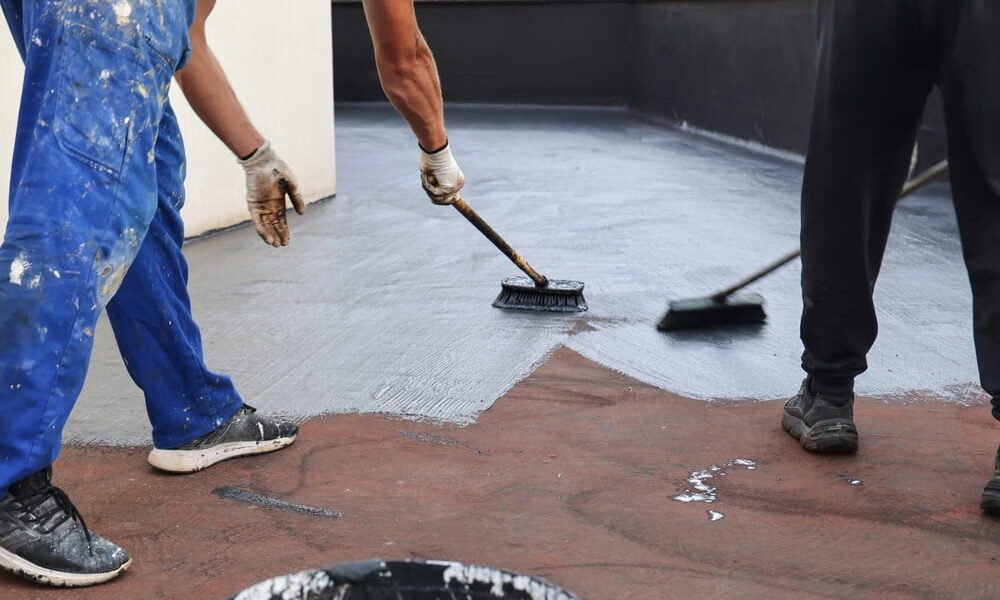
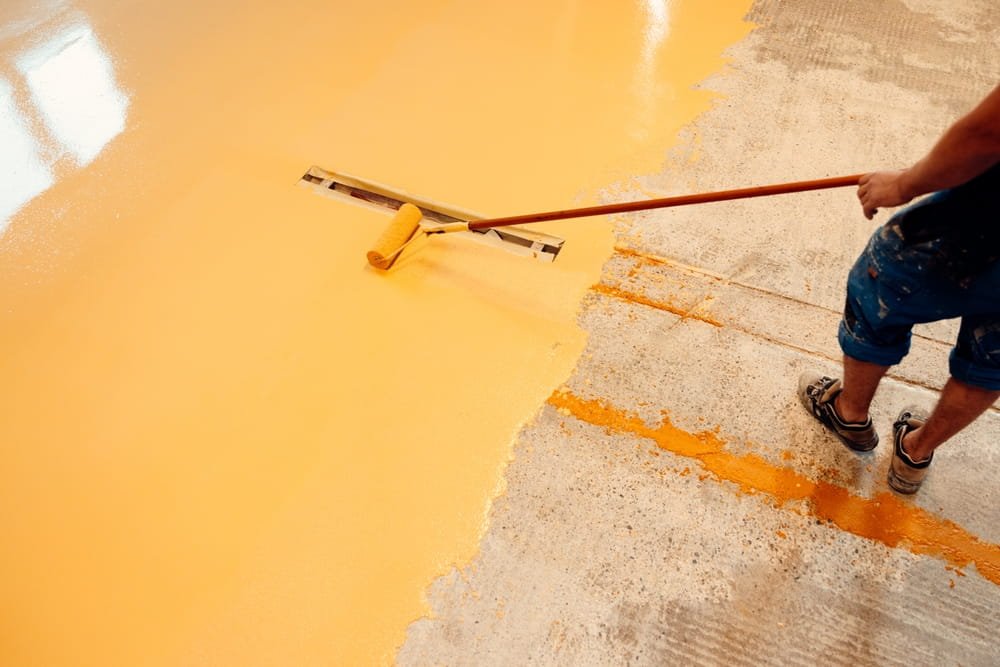
Liquid membranes are brush or roller-applied products that cure to form a flexible, seamless barrier. They’re popular for bathrooms because they handle complex shapes and corners brilliantly. Multiple coats build up thickness for reliable protection.
These products flex with minor building movements, making them ideal for Australian conditions where temperature swings cause expansion and contraction.
Sheet Membrane Systems
Sheet membranes come pre-manufactured in rolls and are adhered to surfaces. They offer consistent thickness across the entire application, eliminating thin spots that sometimes occur with liquid products. Joints require careful sealing to maintain integrity.
These systems excel in larger areas like balconies and commercial applications where speed of installation matters.
Cementitious Waterproofing
Mixed with water and applied like render, cementitious waterproofing bonds directly to concrete and masonry. It’s straightforward to apply and creates a durable, rigid barrier. However, it doesn’t flex much, so it’s best suited for areas with minimal movement.
Which Waterproofing Method Is Best for Bathrooms?
For bathrooms, liquid membranes generally offer the best combination of flexibility and ease of application. They handle the numerous penetrations for plumbing and the complex geometry of shower recesses. Combined with proper reinforcing tape at joints and corners, liquid membranes provide reliable long-term protection.
What Is the Most Effective Waterproofing Material?
Comparing Popular Waterproofing Products
Polyurethane membranes offer excellent flexibility and UV resistance, making them suitable for exposed areas. Acrylic products provide good value for interior applications. Bituminous membranes deliver proven performance for roofing and below-ground use. Each material has its strengths depending on the application.
Choosing the Right Material for Your Climate
In tropical Queensland, UV-stable products handle intense sun exposure better. For southern states with heavy rainfall, drainage capacity and membrane durability take priority. Coastal areas need products that resist salt air corrosion.
Your local waterproofing professional can recommend products tested and proven in your specific climate zone.
Can You Waterproof Over Existing Tiles?
Yes, you can waterproof over tiles in some situations, though it’s not always the ideal approach. Products exist specifically for this purpose—they bond to glazed tile surfaces and create a new waterproof layer. This option saves the cost and mess of removing existing tiles.
However, the success depends on several factors. The existing tiles must be firmly adhered with no hollow sections. Grout lines need proper preparation. Any failed waterproofing underneath continues to trap moisture unless addressed.
For complete peace of mind, removing tiles and starting fresh remains the gold standard. But when budgets are tight or heritage considerations apply, over-tile waterproofing offers a viable alternative.
Waterproofing
DIY Waterproofing vs Professional Waterproofing Services
When to Call a Professional Waterproofing Contractor
Australian building codes require licensed waterproofers for wet area work in most states. Beyond compliance, professionals bring experience that prevents costly mistakes. They understand substrate preparation, membrane thickness requirements, and how to handle tricky details around drains and penetrations.
Complex jobs like balconies, basements, and new bathrooms definitely warrant professional involvement. The consequences of failure are simply too expensive to risk.
How to Maintain Your Waterproofing for Maximum Longevity
Regular Inspection Tips
Check your wet areas annually for warning signs. Run water and observe drainage—pooling indicates blocked or inadequate falls. Inspect silicone seals around baths, showers, and basins. These wear out faster than membranes and need replacing every few years.
Look for grout deterioration, as cracked grout allows water behind tiles. While grout isn’t waterproof, maintaining it reduces the load on your membrane.
Preventing Common Waterproofing Problems
Promptly repair any damage to tiles or grout. Ensure good ventilation in bathrooms to reduce moisture buildup. Clear gutters regularly so water flows freely away from your home. Address any settling or cracking in structures before water exploits the gaps.
Prevention always costs less than cure when it comes to water damage.
Is Waterproofing Worth the Investment?
Absolutely. Quality waterproofing protects your most valuable asset from invisible damage that compounds over time. The structural integrity of your home depends on keeping water out. Mould and mildew from moisture problems affect indoor air quality and health.
Plus, properly waterproofed wet areas add value when selling. Buyers appreciate knowing these critical systems meet current standards. It’s one investment that pays dividends in protection and peace of mind.
Protecting Your Property for Years to Come
Getting waterproofing right from the start saves you headaches, money, and stress down the track. We’ve covered the key areas needing protection, explored different methods and materials, and highlighted why professional installation matters. The bottom line? Waterproofing isn’t somewhere to cut corners.
Your home faces constant challenges from Australia’s varied climate. From tropical downpours to coastal moisture and everything in between, water wants to find its way inside. Proper waterproofing stands as your first line of defence against this relentless opponent. With the right systems in place and regular maintenance, your barriers will hold strong for decades.
Take action today by inspecting your wet areas and addressing any concerns early. If you’re planning renovations or building new, invest in quality waterproofing from the outset. Your future self will thank you when your home remains dry, healthy, and structurally sound for years to come.