5 Warning Signs Your Ducted Heating System Needs Repair
If you live in Australia, a comfortable home during winter often depends on a well-functioning ducted heating system. While these systems are designed to run quietly in the background, they can develop problems that affect comfort, energy bills, and indoor air quality. Knowing the early warning signs can save you time, money, and a lot of hassle. Below we explore the most common indicators that your ducted heating needs professional attention, and we also cover local regulations, choosing a reliable service provider, and answers to the questions most Australians ask about ducted heating.
What Is Ducted Heating?
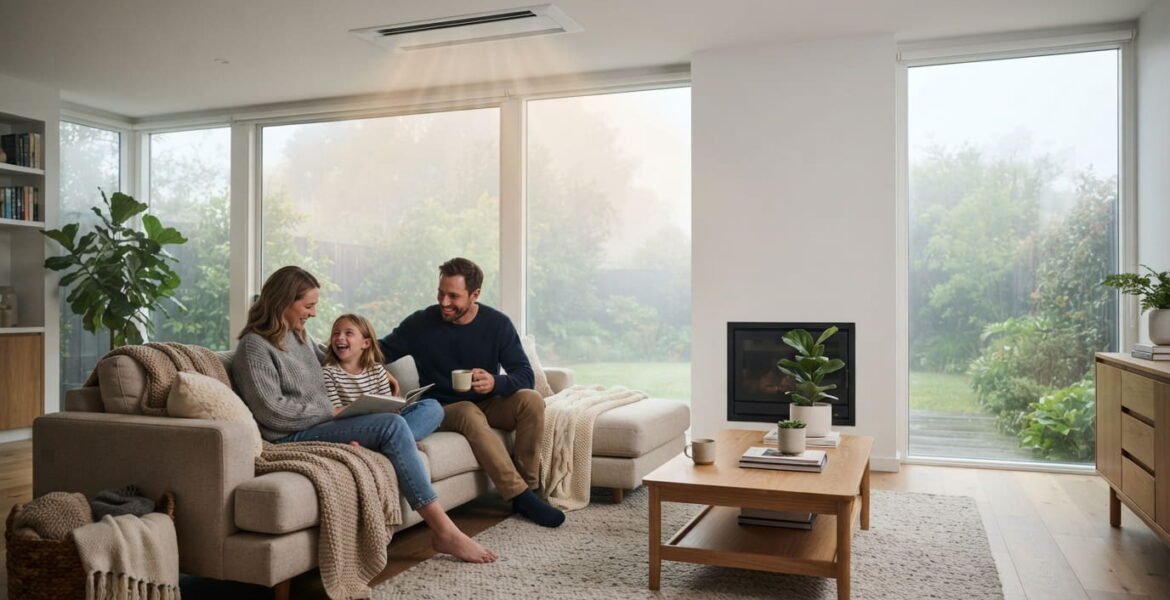
Ducted heating is a whole-house solution that distributes warm air through a network of ducts and vents. A central furnace or heat pump heats the air, a a fan pushes it through the ducts to each room. The system is controlled by a thermostat that lets you set a desired temperature for the entire house or for individual zones.
How It Works
The core components include a heat source (gas furnace, electric heater, or heat pump), a blower motor, a ductwork layout, and supply and return vents. When the thermostat calls for heat, the heat source warms the air, the blower moves the air into the ducts, and the warm air exits through the supply vents. The cooler air returns to the furnace through return vents, completing the cycle.
Benefits for Australian Homes
- Consistent temperature throughout the house
- Quiet operation compared with portable heaters
- Ability to zone-heat, saving energy when rooms are unused
- Integration with cooling systems for year-round comfort
Warning Sign 1: Inconsistent Temperatures
One of the most noticeable problems is when some rooms feel warm while others stay cold, even though the thermostat is set to the same temperature. This imbalance often points to an issue within the ducted heating system.
Why It Happens
Inconsistent temperatures can be caused by blocked or leaky ducts, a malfunctioning blower, or an incorrectly sized system for your home’s layout. In older Australian houses, ductwork may have shifted over time, creating gaps that let warm air escape.
What to Check
- Inspect visible duct sections for obvious damage or disconnections.
- Feel the supply vents for weak airflow.
- Check that all vent covers are fully open and not obstructed by furniture.
- Look for signs of condensation or water damage around ducts.
Warning Sign 2: Unusual Noises
If you hear rattling, whistling, or grinding sounds coming from the ducted heating system, it’s a clear sign that something is wrong. Noise can indicate a mechanical issue that, if left unchecked, may lead to more serious damage.
Types of Noises
- Rattling:Loose duct sections or metal components.
- Whistling:Air leakage at joints or vents.
- Grinding:Worn bearings in the blower motor.
- Buzzing:Electrical problems in the thermostat or control board.
Possible Causes
In many Australian homes, expansion and contraction of metal ducts due to temperature changes can create gaps that produce whistling. A blower motor that is out of balance may generate a grinding noise, while loose duct clamps can cause rattling.
Warning Sign 3: High Energy Bills
A sudden rise in electricity or gas usage is often a red flag that your ducted heating system is working harder than it should. This can happen when the system is inefficient or when there are hidden leaks.
Energy Consumption
When ducted heating runs inefficiently, it draws more power to maintain the set temperature. In Australia’s milder winter regions, a well-tuned system should not cause a dramatic spike in bills.
Diagnosing Inefficiency
- Check the filter – a dirty filter restricts airflow and forces the blower to work harder.
- Inspect the thermostat placement – a thermostat near a heat source can cause the system to cycle unnecessarily.
- Look for duct leaks – use a smoke pencil or incense stick near joints; if the smoke is drawn into a leak, you’ve found a problem.
- Consider the age of the system – older units may lose efficiency over time.
Warning Sign 4: Poor Air Quality
If you notice a stale smell, dust buildup, or increased allergy symptoms, the ducted heating system may be compromising indoor air quality. Clean air is essential for a healthy home environment.
Symptoms
- Dust settling quickly on surfaces.
- Frequent coughing or sneezing.
- Unpleasant odors when the system starts.
- Visible mold or mildew near vents.
Maintenance Tips
Regular filter changes, at least every three months, help keep the air clean. In coastal Australian cities, salt-laden air can accelerate filter clogging, so more frequent changes may be needed. Additionally, scheduling a professional duct cleaning every 2–3 years can remove built-up dust and mold spores.
Warning Sign 5: Frequent Cycling
When the ducted heating system turns on and off repeatedly within a short period, it’s called short-cycling. This not only reduces comfort but also increases wear on the system.
Explanation
Short-cycling often occurs when the thermostat is set too close to the ambient temperature, when the blower motor is failing, or when there is insufficient airflow due to blocked vents or a dirty filter.
Fixes
- Adjust the thermostat setting to a more moderate level.
- Replace or clean the air filter.
- Ensure all vents are open and not obstructed.
- Call a qualified technician to inspect the blower motor and control board.
Local Regulations and Standards
In Australia, ducted heating installations must comply with specific standards to ensure safety and performance. Understanding these regulations helps you choose compliant services and avoid costly re-work.
Australian Standards (AS/NZS)
- AS/NZS 5601.1:Gas installations – covers gas-fired ducted heating.
- AS/NZS 4859.1:Insulation – ensures ductwork is properly insulated to prevent heat loss.
- AS/NZS 3500.1:Plumbing and drainage – relevant for condensate drainage from heat pumps.
Licensing Requirements
Only licensed gasfitters and HVAC professionals may install or service ducted heating that uses gas. In most states, a contractor must hold a valid licence and carry insurance. Checking a provider’s licence number on the state regulator’s website can give you peace of mind.
Choosing a Service Provider
Finding a trustworthy company to service your ducted heating system is essential. Look for providers who understand local climate conditions, building codes, and common house layouts.
What to Look For
- Clear communication and transparent pricing.
- Positive reviews from Australian homeowners.
- Experience with the specific brand of your system.
- Ability to provide a written quote and warranty.
Common Competitors in the Australian Market
Major national chains, local family-run businesses, and independent specialists all compete for ducted heating jobs. While larger firms may have more resources, local specialists often have a deeper understanding of regional building practices and climate nuances.
DIY Checks vs Professional Repair
Some maintenance tasks can be performed safely by homeowners, but others require a qualified technician. Knowing the line between DIY and professional work can keep you safe and protect your warranty.
Safe Tasks You Can Do
- Replace or clean the air filter.
- Inspect vent covers for dust and debris.
- Check the thermostat battery and settings.
- Visually examine exposed duct sections for obvious damage.
When to Call a Pro
If you hear unusual noises, notice a significant rise in energy bills, detect foul odors, or see signs of water damage, it’s time to contact a licensed HVAC professional. Attempting to repair gas components or electrical wiring without proper training can be dangerous and may violate local regulations.
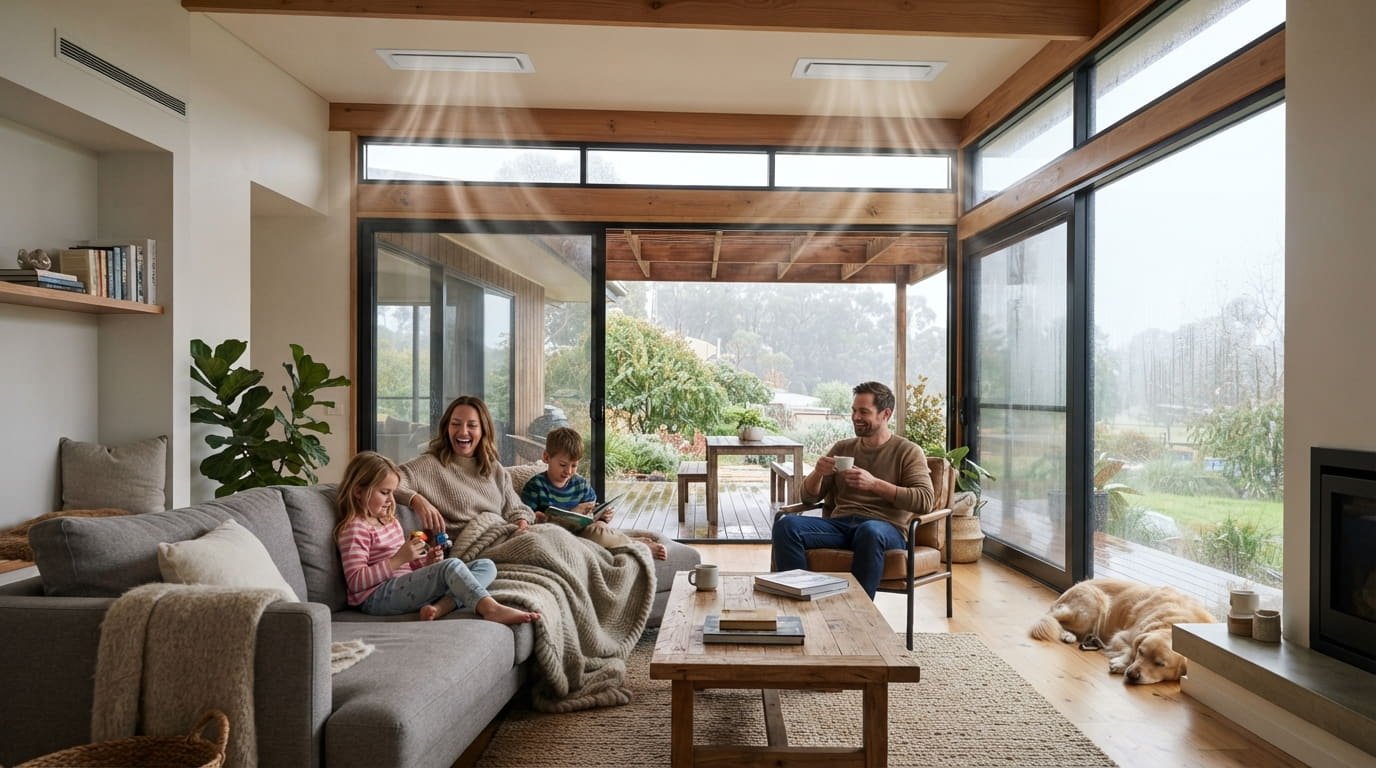
Ducted Heating
Questions and Answers: Common Questions About ducted heating in Australia
Below are some of the most frequently asked questions by Australian homeowners. The answers focus on practical advice and local considerations.
Q1: How often should I service my ducted heating system?
A: Most manufacturers recommend a professional service at least once a year, ideally before the heating season starts. In coastal areas or homes with pets, a semi-annual check can help keep the system running efficiently.
Q2: Can I install ducted heating myself?
A: Installing a ducted heating system involves gas connections, electrical work, and duct design. In Australia, only licensed professionals may legally perform these tasks. DIY installation is not recommended and may void warranties.
Q3: What are the energy-saving tips for ducted heating?
A: Keep filters clean, seal any duct leaks, use a programmable thermostat, and consider zoning to heat only occupied rooms. Also, set the thermostat a few degrees lower at night and use blankets for extra warmth.
Conclusion: Your Path to a Successful ducted heating in Australia
Understanding the warning signs of a failing ducted heating system is the first step toward keeping your home comfortable and energy-efficient. By monitoring temperature consistency, listening for unusual noises, tracking energy usage, checking air quality, and watching for frequent cycling, you can catch problems early. Remember to follow Australian standards, choose a licensed service provider, and perform regular maintenance tasks yourself when safe. If any of the warning signs appear, don’t wait—schedule a professional inspection to protect your investment and ensure a warm home throughout the cooler months. With the right care, your ducted heating system will serve you reliably for years to come.