
Advanced Strategies for Flawless Building and Pest Inspections
Whether you’re purchasing your first home in Sydney, investing in a Queensland rental, or exploring properties in Capalaba, securing flawless pest and building inspections through a professional building and pest inspection Capalaba is essential. Too many Australians rely on surface-level checks, only to discover costly problems months after settlement. While a standard inspection might tick the boxes, advanced techniques can reveal hidden issues that could save you tens of thousands of dollars.
In this guide, we’ll share expert strategies that go well beyond the basics. You’ll learn how to prepare your property for inspection, explore cutting-edge detection technologies, recognise early structural warning signs, and interpret your report like a seasoned professional. Plus, we’ll explain how to use your findings effectively during negotiations or when it might be wiser to walk away altogether.
Understanding the True Scope of Building and Pest Inspections
What a Comprehensive Building Inspection Covers
A thorough inspection looks at far more than the obvious elements. Inspectors assess structural features such as foundations, walls, roof framing, and load-bearing components. They check roof coverings, gutters, downpipes, and external cladding.
Inside the home, expect careful evaluation of walls, ceilings, floors, doors, and windows. Wet areas like kitchens, bathrooms, and laundries receive special attention due to moisture exposure. Plumbing, electrical safety switches, and ventilation systems are also examined.
Don’t forget the surrounding property. Inspectors review drainage, retaining walls, fencing, and driveways. Proper assessment of water flow and external factors is critical for long-term structural stability.
Common Areas That Are Often Missed
Many inspections overlook subfloor areas, especially in older Australian homes with restricted crawl space access. Roof voids also often escape scrutiny but are prime locations for moisture damage and pest activity.
External structures like sheds, carports, and detached garages frequently receive minimal attention, yet they can harbour termite infestations or structural defects that affect the main building. Always confirm these areas are included in the inspection scope.
Pre-Inspection Preparation: Setting Yourself Up for Success
Documentation to Gather
Preparation makes a huge difference. Collect previous building reports, renovation approvals, or pest treatment certificates. Vendors should provide warranties for recent repairs such as roof work, electrical upgrades, or waterproofing. Buyers should request these documents in advance to help inspectors focus on high-risk areas.
Preparing the Property
Access is key. Clear paths to subfloor entries, roof hatches, and meter boxes. Move stored items from garages and storage spaces, trim vegetation blocking walls, and ensure all rooms are accessible. Locked or blocked areas should be noted as limitations in your report, as hidden issues could remain undiscovered.
Advanced Techniques for Detecting Structural Issues
Thermal Imaging and Moisture Detection
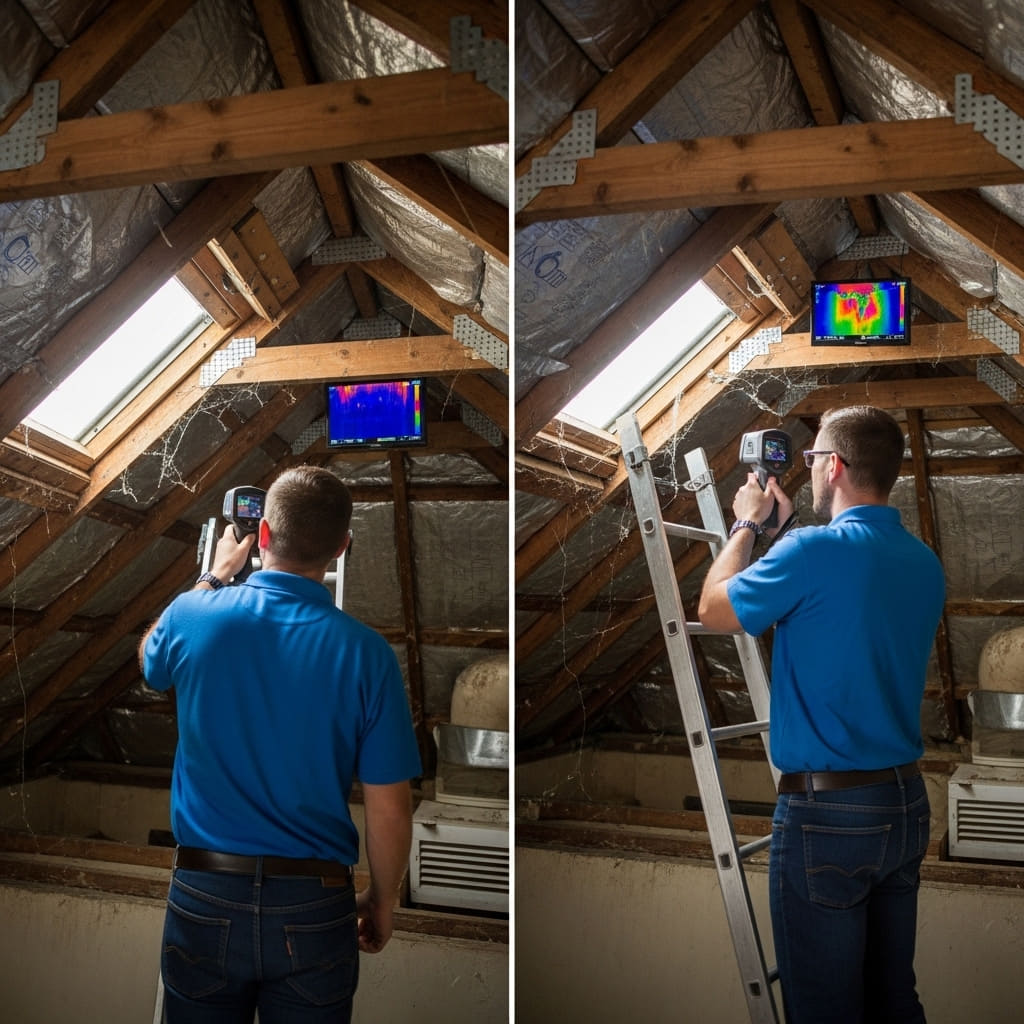
During a professional building and pest inspection Capalaba, modern inspectors often use thermal imaging cameras to detect temperature variations invisible to the naked eye. These tools help identify hidden moisture within walls, insulation gaps, and potential electrical hotspots, ensuring a thorough assessment of the property.
Moisture meters complement thermal imaging, measuring timber moisture content accurately. Elevated readings suggest leaks, water ingress, or poor ventilation—common issues in Australian homes.
Early Warning Signs of Foundation Problems
Watch for diagonal cracks near windows and doors, gaps between walls and ceilings, sticking doors, uneven floors, and soil movement around footings. In areas with reactive clay soils, seasonal ground movement can worsen foundation stress, making early detection essential.
Recognising Structural Damage
Other indicators include cracks wider than 5mm, bulging or bowing walls, sagging ceilings, and gaps around door frames. External signs like displaced roof tiles, cracked render, and separation between structural components also signal potential issues.
Pest Inspection Strategies
Identifying Termite Damage
Termites are Australia’s most destructive pests, causing over $1.5 billion in damage annually. Signs include mud tubes, hollow-sounding timber, blistering paint, and subtle changes like tight-fitting doors or fine sawdust near timber. Professional inspectors often use specialised equipment to detect infestations invisible to homeowners.
Common Entry Points
Termites can enter through tiny gaps as small as 1.5mm. Look for cracks in concrete, gaps around plumbing, weep holes in bricks, joints between materials, and areas where soil contacts timber. Inspectors should recommend appropriate barriers if protection is inadequate.
Seasonal Considerations
Termite activity peaks in spring and summer, though established colonies remain active year-round. Tropical Queensland may require annual inspections, while southern states might extend to 18-month intervals. Rodent activity increases during winter, making timing relevant for comprehensive detection.
Choosing the Right Inspector
Qualifications to Look For
Australian building inspectors should hold state-specific licenses. Inspectors with trade experience in construction, carpentry, or building, along with timber pest qualifications, are ideal. Verify that they carry professional indemnity insurance and provide reports compliant with Australian Standards AS 4349.1 and AS 4349.3.
Red Flags
Be cautious of unusually low quotes they may indicate rushed or incomplete inspections. Avoid inspectors unwilling to show sample reports or provide clear explanations. Commission-based arrangements with real estate agents may present conflicts of interest.
Interpreting Your Inspection Report
Understanding Terminology
Reports often classify findings as major defects, minor defects, or maintenance items. Major defects affect safety or structural integrity, minor defects require attention, and maintenance items indicate routine wear. “Further investigation required” signals areas that need additional testing.
Taking Action
Most inspections reveal some issues. Review findings with your inspector, obtain repair quotes for major concerns, and make informed decisions about proceeding, renegotiating, or walking away. Prioritise safety hazards, pest infestations, and water ingress, while cosmetic issues can generally wait but shouldn’t be ignored.
Using Inspection Findings for Negotiation
Inspection reports can be powerful negotiation tools. Present factual evidence, including repair estimates, to request price adjustments, pre-settlement repairs, or extended timelines. Vendors are more likely to respond favorably when requests are reasonable and well-documented.
When to Walk Away
Certain issues justify abandoning a purchase: active termite infestations with structural damage, major foundation problems, or extensive asbestos. Protecting your investment and avoiding future financial burden is critical.
Building and Pest Inspections
Common Mistakes That Reduce Inspection Value
- Booking inspections too close to settlement deadlines
- Restricted access to key areas
- Ignoring external structures like sheds and garages
Ensuring sufficient time, full access, and comprehensive coverage maximises inspection effectiveness.
Investing in Peace of Mind
A thorough flawless pest and building inspections service isn’t about finding a perfect property it’s about understanding exactly what you’re buying. By using advanced techniques, hiring qualified inspectors, and interpreting reports carefully, you safeguard your investment for years to come.
Inspection costs are a small fraction of a property’s value but can save substantial future expenses. Whether buying, selling, or maintaining a home, professional building and pest inspections provide true peace of mind. Don’t settle for surface-level checks protect your property, your finances, and your family’s future.