


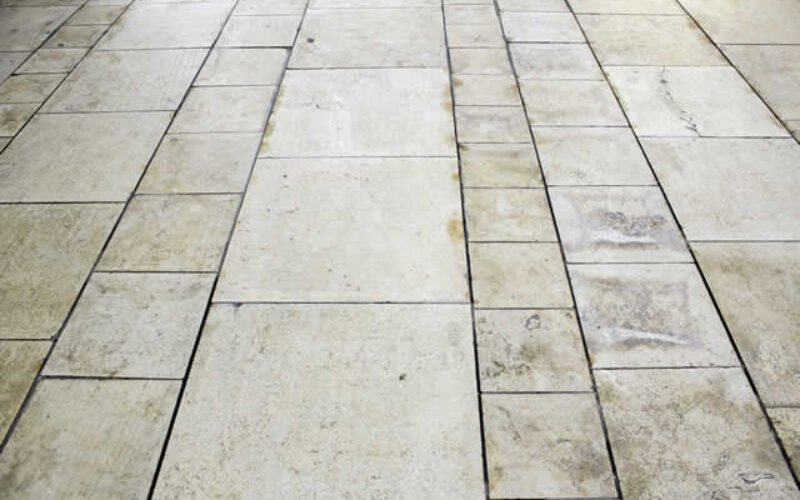
Looking for limestone pavers for sale? You’re in the right spot. So this guide quickly covers top Aussie suppliers, the finishes that blend with local homes, climate‑specific tips, handy installation tricks and long‑term care, letting you pick the perfect stone for a patio, driveway or garden path without fuss.
Finding limestone pavers for sale: What to Look For
First off, limestone’s natural, warm tone works on everything. From a coastal lagoon deck in No to a bush‑land garden in Canberra. It’s a sedimentary rock, so it’s softer than granite yet still holds up under home traffic. And the trick? Test density and porosity; a solid block won’t feel spongy when you give it a tap, so you know it’ll last.
Right finish flips the vibe, no doubt. A honed slab feels sleek and modern. Great for a clean look. But a tumbled texture? It’s rustic, slip‑resistant, perfect when rain shows up. You prefer which for your patio? Both choices survive sun and shade, so pick what feels right.
- Check the stone’s compressive strength, aim for at least 30 MPa for driveways.
- Look for a consistent colour palette, limestone can range from light‑grey to warm‑beige.
- Ask about the quarry source, local quarries reduce transport emissions.
Limestone pavers for sale in Sydney and Melbourne: Top Suppliers
In the Eastern Suburbs of Sydney you’ll spot a handful of yards that carry limestone pavers for sale, plus the famous “Sydney Outdoor Limestone Paving” line from a family‑run Blue Mountains quarry. Melbourne’s inner‑west? A few distributors focus on “Melbourne garden stone pavers” and love split‑face textures, offering quick quotes.
What I’ve noticed is that suppliers who offer a sample kit and a visualiser tool save you a lot of back‑and‑forth. You can upload a photo of your backyard and see the stone in situ before you commit.
- Sydney: Blue Mountains Quarry, offers 600 mm × 600 mm honed slabs.
- Melbourne: Victorian Stoneworks, stocks 300 mm × 300 mm tumbled tiles.
- Brisbane: Queensland Limestone, provides coastal‑grade, salt‑resistant finishes.
How to Choose limestone pavers for sale: Types and Finishes
Looking for limestone pavers for sale? First up, thickness. A 30 mm slab handles foot traffic fine; if trucks might roll over, go 40 mm. And the edge profile? A straight cut gives a crisp line, while a bullnose eases the shift to grass or decking. You’ll also want to check drainage and how the pieces lock together.
Got plenty of finishes. A honed surface feels smooth, ideal for a sleek vibe, while brushed or sandblasted options add texture and push water away. Split‑face stones? They bring a rugged, natural look that’s perfect around a pool. And you’ll find them easy to clean.
- Honed, low‑gloss, ideal for indoor flooring.
- Tumbled, slightly rounded edges, great for slip resistance.
- Brushed, subtle texture, good for high‑traffic pathways.
- Split‑face, rugged appearance, perfect for rustic designs.
Installation Tips for limestone pavers for sale: Getting It Right
Installation is where the real work begins. A well‑prepared base is non‑negotiable; otherwise you’ll see pavers shift or crack over time. Start with a compacted sub‑grade of crushed rock, then add a 100 mm sand‑stabilised bedding layer.
First, you’ll slap a geotextile sheet between the sub‑grade and the sand, that stops weeds and lets water flow. And after the pavers are set, pour polymer‑sand into the joints; it locks the stones and cuts erosion. Sound good?
- And excavate at least 200 mm, the patio baseline.
- Compact the sub‑grade with a plate compactor.
- But first lay a geotextile membrane, then add sand bedding.
- So tap each paver with a rubber mallet for a level set.
- Sweep polymer‑sand into joints, mist, and let it set.
Maintenance Strategies for limestone pavers for sale: Keep Them Fresh
Low upkeep sells, but you still need a routine to keep limestone looking its best. And clean spills right away, oil can soak in if you wait. A mild detergent and warm water tackle most spots; a stone‑specific cleaner attacks the tough stuff. Got any stubborn stains?
Sealing is optional but recommended for high‑traffic areas or coastal sites where salt spray is a concern. Re‑apply a breathable sealant every 2‑3 years to maintain colour and protect against moisture.
- Sweep regularly to remove grit that can cause abrasion.
- Power‑wash with low pressure; avoid abrasive jets.
- Apply a breathable stone sealant in summer months.
- Inspect joints annually and refill polymer‑sand if needed.
Comparing limestone pavers for sale with Other Paving Options
Stack limestone next to sandstone, travertine, granite or concrete pavers and the contrast pops. Limestone’s lighter hue gives a warm, natural vibe that only gets better with time. And sandstone? It’s more porous, so heavy rain isn’t its friend.
Granite is the toughest, but it’s also the most expensive and can feel cold underfoot. Concrete pavers are cheap and versatile but lack the natural stone charm that adds resale value to a home.
- Stone? Warm tones, decent durability, solid grip.
- Sandstone: super porous, perfect when it’s dry.
- Travertine? Speckled look, great on pools.
- Granite: tough, pricey, handles heavy traffic like a champ.
- Concrete? Cheap, shape‑flexible, looks plain. Does that work for you?
Case Studies: Successful Projects with limestone pavers for sale
In Perth’s coastal suburbs, a homeowner swapped a cracked concrete driveway for 40 mm thick limestone pavers for sale, choosing a brushed finish to beat sand‑track wear. Six months later the surface was still pristine, can you imagine the curb‑appeal boost?
Meanwhile, a Melbourne inner‑city garden got a fresh look when we laid 300 mm × 300 mm split‑face limestone pavers for sale around the fire pit. The natural texture clicked with native plants, and the owner said the appraisal jumped about 15 %. And the curb appeal? Instantly better.
- Perth: 120 m² driveway, brushed finish, 40 mm thickness.
- Melbourne: 80 m² garden path, split‑face, 30 mm thickness.
- Sydney: 60 m² patio, honed finish, 30 mm thickness.
Conclusion
Choosing limestone pavers for sale in Australia means balancing aesthetics, durability and local climate. By sourcing from reputable suppliers in Sydney, Melbourne, Brisbane or Perth, selecting the right thickness and finish. And following solid installation and maintenance practices, you’ll end up with a timeless surface that stands up to sun, rain and everyday use. Keep an eye on sealing schedules, use polymer‑sand for joints, and you’ll enjoy a low‑maintenance, beautiful outdoor space for years to come.