


Ever found yourself staring at rusty metal and wondering what you can do about it? Perhaps you’ve got a farm gate that’s seen better days, or maybe some outdoor equipment that’s starting to show its age? What if there was a simple, cost-effective way to protect your metal surfaces without the hassle of professional equipment or expensive treatments?
Cold galv paint has become a go-to solution for Australians looking to protect their metal investments. Whether you’re a DIY enthusiast tackling weekend projects or a professional maintaining industrial equipment, this clever coating offers impressive protection against corrosion. It works by depositing a zinc-rich layer onto metal surfaces, creating a barrier that shields against rust and environmental damage.
In this guide, we’ll explore everything you need to know about cold galv paint sydney. You’ll discover how it works, its key benefits, and how it stacks up against other protective coatings. We’ll also walk you through proper application techniques, real-world uses, and help you determine whether it’s the right choice for your specific needs. By the end, you’ll have all the information needed to make an informed decision about protecting your metal surfaces.
Understanding the Science Behind Cold Galvanising
Cold galv paint works through a fascinating process called cathodic protection. When applied to steel or iron surfaces, the zinc particles in the paint create an electrochemical barrier. This means the zinc sacrifices itself to protect the underlying metal, corroding instead of your valuable steel.
The role of zinc in corrosion prevention cannot be overstated. Zinc has a lower electrochemical potential than steel, making it more reactive. When moisture or corrosive elements attack the surface, they target the zinc first, leaving your base metal untouched. This self-sacrificing nature makes zinc-based coatings incredibly effective for long-term protection.
Think of it like having a bodyguard for your metal. The zinc coating takes the hits so your steel doesn’t have to. This cathodic protection continues working even if the coating gets scratched or damaged, as the surrounding zinc continues protecting exposed areas. It’s a remarkably clever system that’s been refined over decades of development.
Key Benefits of Cold Galv Paint
Superior Corrosion Resistance
One of the biggest questions people ask is whether cold galv paint performs as well as hot-dip galvanising. While hot-dip galvanising creates a metallurgically bonded layer, cold galv paint offers comparable protection for many applications. The key difference lies in how each coating is applied and the thickness achieved.
For long-term protection in harsh Australian climates, cold galv paint proves its worth time and again. From the salt-laden coastal air of Queensland to the scorching inland conditions of the Outback, this coating stands up to punishment. Many products are specifically formulated to handle extreme UV exposure and temperature fluctuations common across Australia.
Cost-Effectiveness and Value
When comparing costs, cold galv paint typically comes in at a fraction of the price of hot-dip galvanising. You’re looking at significant savings, especially for on-site repairs or smaller projects where transporting items to a galvanising facility isn’t practical.
The real savings come from reduced maintenance and replacement expenses over time. By protecting your metal early, you avoid costly repairs down the track. A well-applied cold galv coating can extend the life of equipment by years, making it a smart investment for budget-conscious property owners.
Ease of Application
Can you apply cold galv paint yourself? Absolutely! One of the standout benefits is that anyone with basic painting skills can achieve professional results. You don’t need specialised equipment or extensive training to get started.
Application methods include brush, spray, and roller, giving you flexibility based on your project requirements. Brushing works brilliantly for detailed work and touch-ups, while spraying covers large areas quickly. Rollers offer a middle ground, ideal for flat surfaces where you want even coverage without overspray concerns.
Versatility and Flexibility
Cold galv paint works on a wide range of surfaces, including steel, iron, and previously galvanised metal. This versatility makes it perfect for repair work where you need to match existing coatings or protect weld joints.
The coating performs equally well for indoor and outdoor applications. Whether you’re protecting workshop equipment or outdoor fencing, you’ll find products suitable for your specific environment. This flexibility means you can standardise on one product for multiple uses around your property.
Common Applications Across Australia
Repairing damaged galvanised surfaces is perhaps the most common use for cold galv paint. When hot-dip galvanising gets scratched, cut, or worn through, cold galv paint restores protection without removing the entire piece for re-galvanising.
Farm equipment and rural infrastructure benefit enormously from this coating. Gates, fences, water troughs, and machinery all face constant exposure to the elements. A regular maintenance schedule using cold galv paint keeps everything running smoothly for longer.
Marine and coastal applications present some of the toughest challenges for any coating. Salt spray accelerates corrosion dramatically, but quality cold galv products designed for marine environments provide reliable protection. Similarly, industrial and commercial settings rely on these coatings to maintain structural integrity and reduce downtime.
Cold Galv Paint vs Other Protective Coatings
Comparing cold galv paint to hot-dip galvanising comes down to application and convenience. Hot-dip galvanising remains superior for new fabrications where items can be dipped in molten zinc. However, cold galv paint wins for repairs, on-site application, and situations where disassembly isn’t feasible.
Rust converters work differently from cold galv paint. While rust converters chemically transform existing rust into a stable compound, they don’t provide the ongoing cathodic protection that zinc offers. For best results on rusty surfaces, many professionals recommend converting the rust first, then applying cold galv paint over the top.
Standard zinc-rich primers share similarities with cold galv paint, but there are important differences. True cold galv products typically contain higher zinc content and are formulated for direct-to-metal application. Always check the zinc percentage when comparing products, as this directly affects protective qualities.

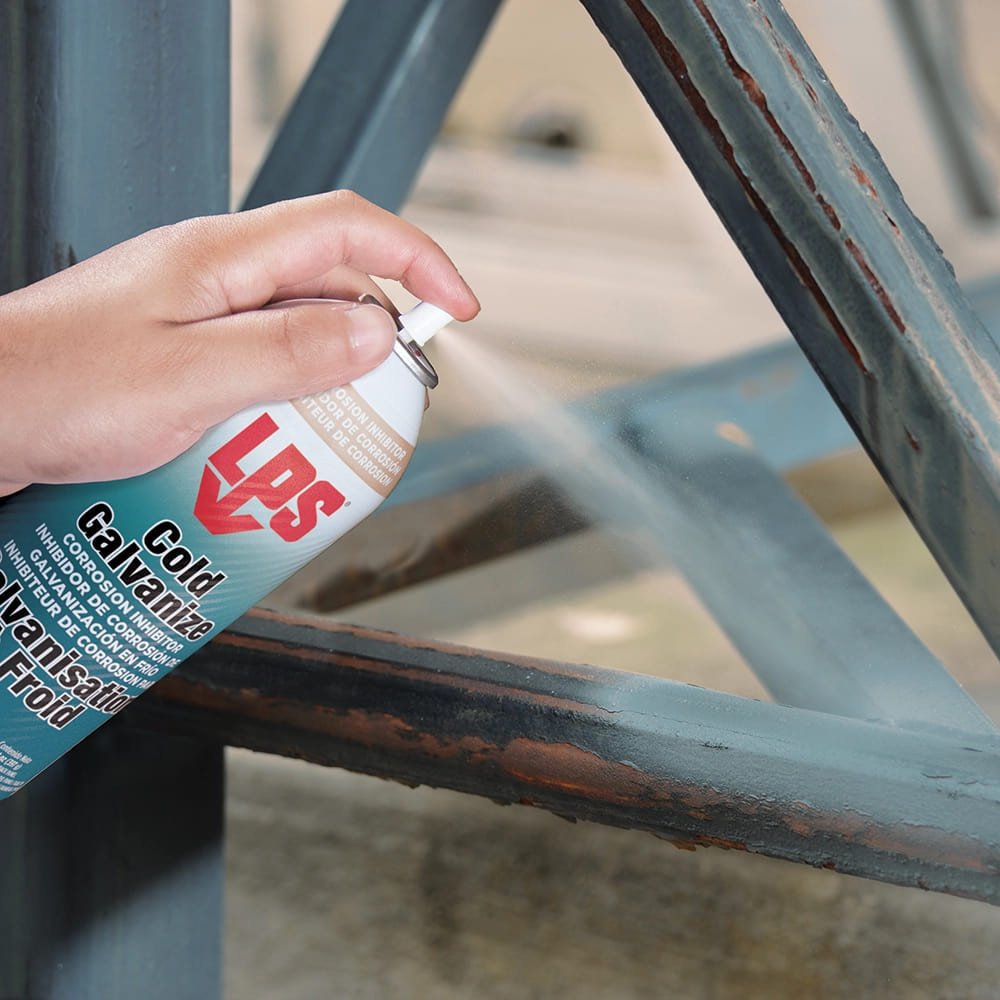
Galv Paint
How to Apply Cold Galv Paint Correctly
Surface preparation is absolutely the key to success with any coating. You’ll need to remove all rust, scale, grease, and old paint before application. Wire brushing, grinding, or abrasive blasting all work well, depending on the condition of your metal.
For best results, follow these steps: clean the surface thoroughly, remove all loose material, degrease with appropriate solvents, and ensure the metal is completely dry before application. Apply the first coat evenly, allow proper drying time (usually 2-4 hours depending on conditions), then apply additional coats as needed.
Most manufacturers recommend two coats minimum for outdoor applications. In harsh environments, three coats provide extra protection. Between coats, lightly scuff the surface if the previous coat has fully cured. This promotes adhesion and creates a stronger overall system.
Durability, Safety, and Choosing the Right Product
How long does cold galv paint last? With proper application and surface preparation, expect 5-10 years of protection in moderate conditions. Harsh coastal or industrial environments may require more frequent maintenance, while protected indoor applications can last significantly longer.
When it comes to environmental and safety considerations, modern cold galv paints have improved dramatically. Look for products with low VOC content that comply with Australian standards. Always use appropriate personal protective equipment during application, including gloves, eye protection, and respiratory protection when spraying.
Choosing the right product means understanding zinc content and quality grades. Premium products contain 90% or more zinc in the dry film, providing maximum protection. Several reputable brands are available in Australia through hardware stores and specialist suppliers, so compare specifications before purchasing.
Is Cold Galv Paint Worth the Investment?
After exploring the many benefits of cold galv paint, the verdict is clear: this versatile coating offers exceptional value for protecting metal surfaces across countless applications. From farm gates in rural Victoria to industrial equipment in mining operations, Australians are discovering the practical advantages of this accessible technology.
The combination of superior corrosion resistance, ease of application, and cost-effectiveness makes cold galv paint a winner for both DIY enthusiasts and professionals. You don’t need expensive equipment or specialised training to achieve lasting protection for your valuable metal assets.
If you’ve got metal that needs protecting, cold galv paint deserves serious consideration. Start with proper surface preparation, choose a quality product with high zinc content, and follow the manufacturer’s instructions carefully. Your metal will thank you for years to come, and your wallet will appreciate the savings compared to premature replacement. Why not give it a go on your next project?