Best commercial painting solutions for medical clinics and hospitals (antimicrobial, easy‑clean coatings)
When you walk into a medical clinic or a hospital in Australia, the first thing you notice is how clean the environment feels. It is not only about sanitized floors or spotless counters; the walls play a massive role in patient safety and perception. For facility managers and healthcare providers, maintaining this standard requires more than a standard coat of color. It demands specialized commercial painting solutions designed to withstand rigorous cleaning protocols while actively fighting bacteria.
In the healthcare sector, the paint on your walls serves a functional purpose that goes far beyond aesthetics. It is a frontline defense against infection and a key component of facility maintenance. Finding the right approach to commercial painting for these sensitive environments ensures compliance with Australian health standards and creates a welcoming atmosphere for patients.
The Critical Role of Specialized Coatings in Healthcare
Medical facilities face unique challenges that normal offices or retail spaces do not. High traffic is constant, with gurneys, wheelchairs, and equipment bumping into walls. More importantly, these surfaces must endure frequent scrubbing with hospital-grade disinfectants. Standard architectural paint will fade, peel, or degrade under this chemical stress, creating potential breeding grounds for germs.
A professional commercial painting project for a medical centre focuses on durability and hygiene. The goal is to create a sealed surface that repels moisture and biological contaminants. This is where modern coating technology steps in. We are seeing a shift across Australian healthcare facilities toward advanced epoxy and polyurethane coatings that offer a seamless, non-porous finish.
Commercial Painting
Why Antimicrobial Paint is Essential
Infection control is a top priority for any medical practice, from a local GP in the suburbs to a major metropolitan hospital. Antimicrobial coatings are a game-changer in this space. These paints are formulated with active ingredients—often silver ions or other safe additives—that inhibit the growth of bacteria, mould, and mildew on the paint film.
When you invest in commercial painting with antimicrobial products, you are adding a passive safety layer to the facility. These coatings work 24/7 to reduce the spread of pathogens like MRSA and E. coli on painted surfaces. While this does not replace regular cleaning, it provides a vital backup that keeps surfaces more hygienic between wash-downs.
Meeting Australian Standards and Compliance
Navigating the regulatory landscape in Australia is a big part of any building maintenance project. Medical facilities must adhere to strict guidelines regarding hygiene and air quality. The National Construction Code (NCC) and various state-based health regulations outline specific requirements for surface finishes in clinical areas.
A reputable service provider familiar with commercial painting will ensure that all products used meet these rigorous standards. This includes using paints that are:
- Low in Volatile Organic Compounds (VOCs): High VOCs release harmful fumes that can trigger asthma or headaches, which is unacceptable in a healing environment. Australian standards heavily favor low-VOC or zero-VOC paints to maintain healthy indoor air quality.
- Resistant to Harsh Chemicals: The paint must be certified to withstand cleaning agents commonly used in Australian hospitals, such as chlorine-based solutions or hydrogen peroxide vapour.
- Fire Resistant: Compliance with fire safety regulations is non-negotiable, requiring coatings that do not contribute to flame spread.
The Importance of Easy-Clean Surfaces
Cleaning staff in Australian hospitals work hard. The walls should not make their job harder. “Easy-clean” or “washable” are terms often thrown around, but in commercial painting, they have a specific technical meaning.
We look for paints with high scrub resistance ratings. This means the paint can be scrubbed thousands of times without the finish polishing up (becoming shiny in spots) or wearing away. For operating theatres and treatment rooms, two-pack epoxy coatings are often the standard because they form a hard shell that liquids cannot penetrate. This allows for deep cleaning without damaging the substrate effectively extending the time between repainting cycles.
Managing the Painting Process in Active Clinics
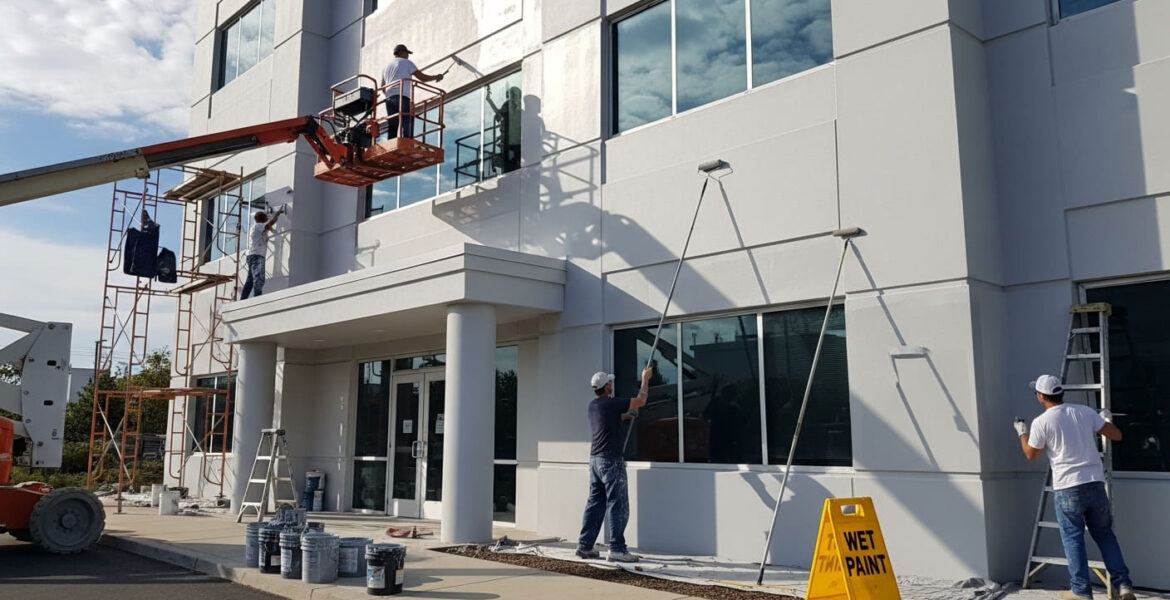
One of the biggest hurdles for medical facilities is scheduling. A hospital never sleeps, and a local clinic cannot afford to close for a week just to get the walls painted. This creates a logistical challenge that requires a flexible commercial painting team.
Successful projects in this sector rely on careful project management. This often involves:
- After-Hours Work: Painting during nights or weekends when patient volume is lowest to minimize disruption.
- Sectional Closures: Working on one wing or corridor at a time to keep the rest of the facility operational.
- Rapid-Cure Products: Using paints that dry and cure quickly so rooms can be returned to service the next morning.
- Odor Management: Even with low-VOC paints, managing airflow and using filtration systems ensures no paint smell lingers to bother sensitive patients.
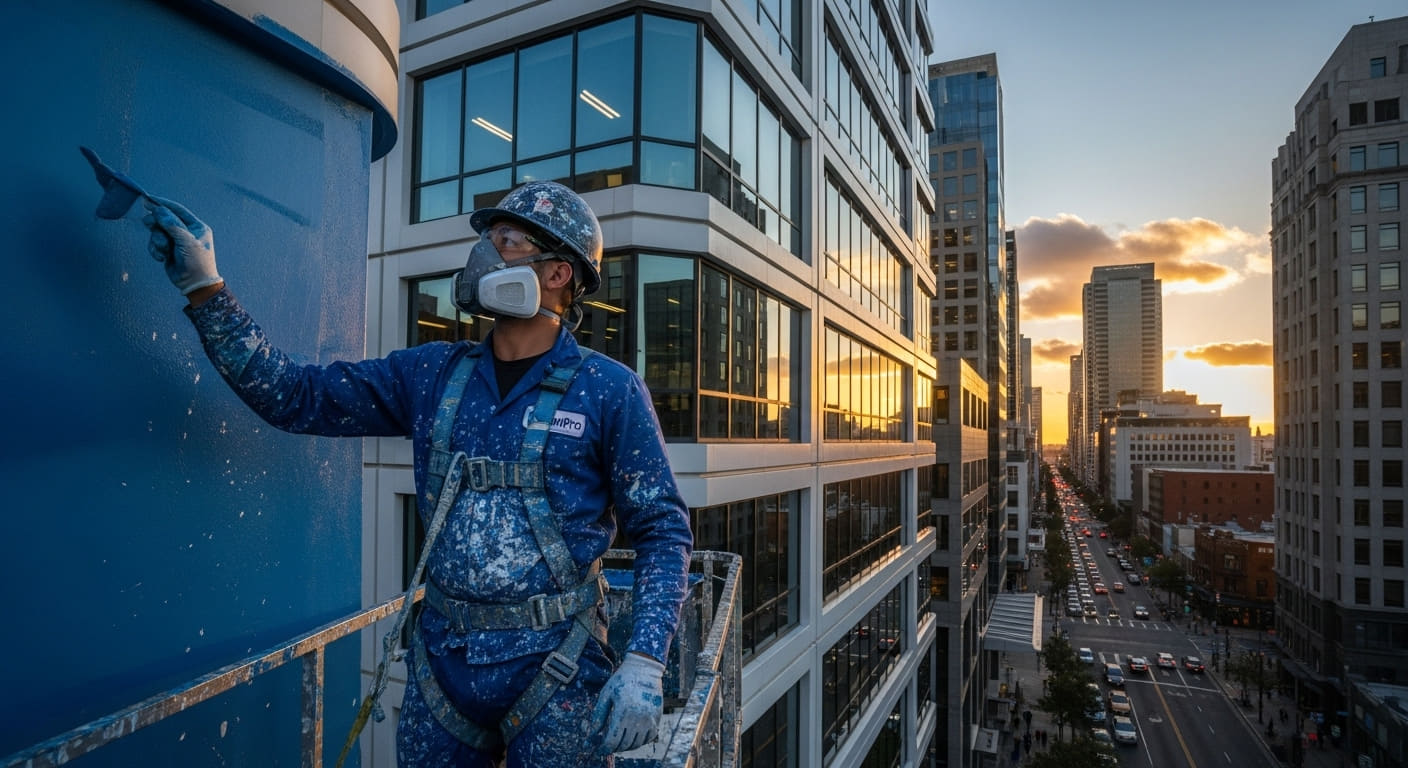
Safety protocols are also elevated. Painters working in these environments in Australia often need specific police checks and immunizations, and they must adhere to strict site safety inductions to ensure they do not compromise the sterile field.
Color Psychology in Healing Environments
While hygiene is the primary driver, the visual impact cannot be ignored. The sterile “hospital white” is slowly being replaced or accented with colors that promote healing and calmness.
Commercial painting in the healthcare sector now involves consultation on color psychology. Soft blues and greens are known to lower heart rates and reduce anxiety, making them perfect for waiting rooms and recovery wards. In contrast, pediatric areas might use brighter, more engaging colors to distract and cheer up young patients.
The finish matters too. While high-gloss is easiest to clean, it can cause glare under harsh hospital lighting, which is hard on the eyes of staff and patients. Satin or semi-gloss finishes often provide the best balance between cleanability and visual comfort.
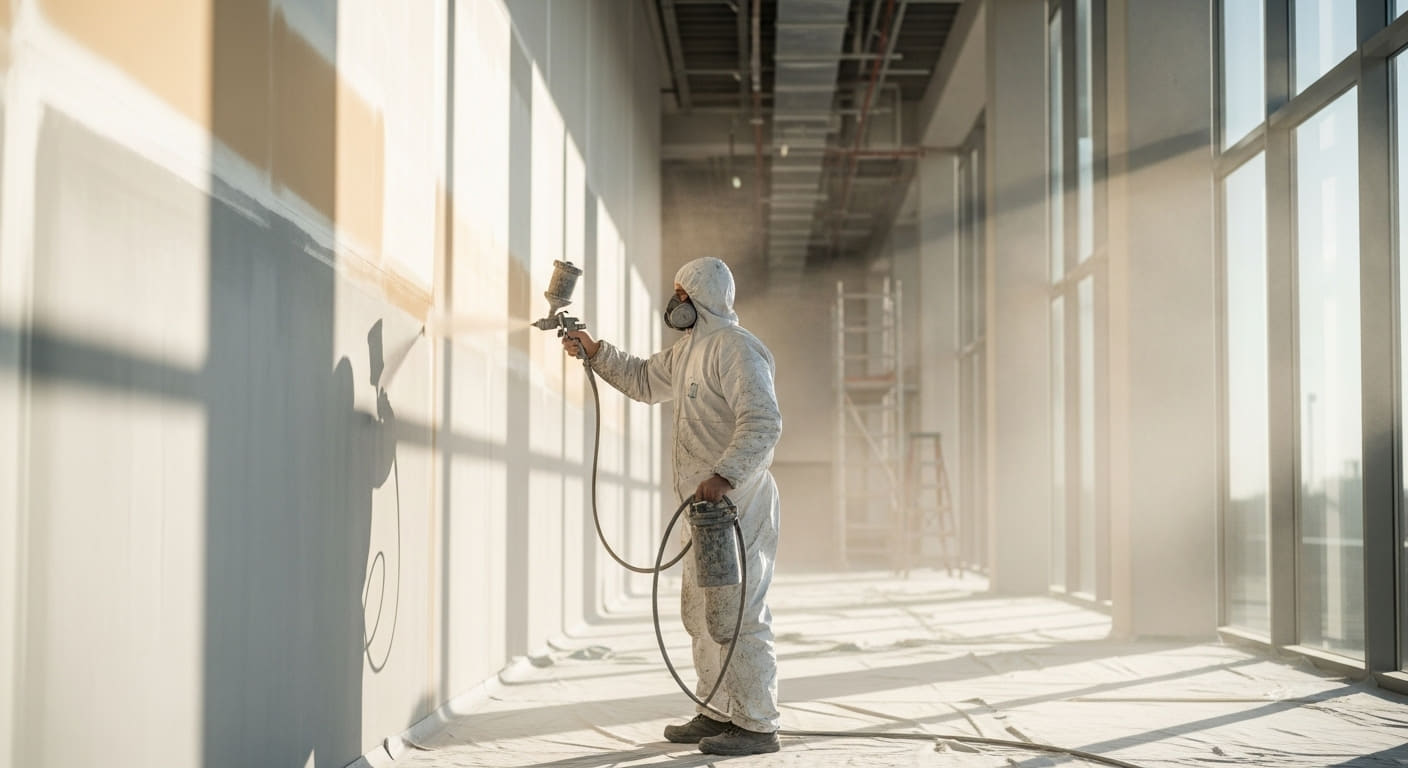
Commercial Painting
Key Considerations for Facility Managers
If you are planning a commercial painting update for a medical facility, consider the following elements to ensure the project delivers long-term value.
Surface Preparation is Everything
Antimicrobial paint will fail if the surface underneath is not sound. In older Australian buildings, this might mean fixing cracks, treating existing mould, or removing lead-based paint safely before any new coating is applied. Proper preparation ensures the new paint adheres correctly and lasts for years.
Choosing the Right Partner
Not every painter has the skills for medical environments. It requires a team that understands the difference between a house paint and an industrial-grade hygienic coating. They need to know how to apply these thick, specialized coatings to achieve a smooth, defect-free finish where bacteria cannot hide.
Long-Term Maintenance Plans
Commercial painting is an investment. To protect it, many facilities set up maintenance schedules. This involves annual inspections and touch-ups of high-impact areas like door frames and corridor corners. Keeping these areas sealed prevents moisture ingress and keeps the facility looking professional.
Questions and Answers: Common Questions About commercial painting in Australia
Q: What are the specific requirements for commercial painting in Australian operating theatres?
Operating theatres require the highest level of hygiene. The paint used must be a specialized, two-part epoxy or polyurethane coating. These products create a seamless, non-porous surface that is impervious to moisture and bacteria. In Australia, these coatings must be able to withstand aggressive cleaning regimes, including frequent wash-downs with strong chemical disinfectants, without degrading. They must also be low-VOC to ensure sterile air quality.
Q: How does commercial painting minimize disruption to a busy medical practice?
Professional teams experienced in the medical sector use a combination of strategies. This primarily includes scheduling work outside of operating hours, such as nights or weekends. They also use fast-drying, low-odor acrylics or water-based epoxies that allow rooms to be reoccupied quickly. Strict containment zones are set up using plastic sheeting and air scrubbers to prevent dust and fumes from entering active patient areas.
Q: Is antimicrobial paint required by law for all medical clinics in Australia?
While antimicrobial paint is not explicitly mandated by law for every wall in a general practice clinic, Australian health standards (such as those from the TGA and infection control guidelines) strongly recommend surfaces that are smooth, impermeable, and easy to clean. Antimicrobial paint is widely considered best practice for meeting these hygiene standards, particularly in high-risk zones like treatment rooms, waiting areas, and amenities, as it provides an extra layer of protection against pathogen transmission.
Q: How long does commercial painting typically last in a high-traffic hospital corridor?
In a high-traffic hospital environment, standard paint may only look good for a year or two before showing scuffs and damage. However, when high-quality commercial painting solutions are applied—specifically heavy-duty, scrubbable coatings—the finish can last significantly longer, often 5 to 7 years depending on the level of physical impact. Regular maintenance and spot cleaning are essential to extend this lifespan.
Q: Can commercial painting help with mould issues in older medical buildings?
Yes. Australia’s humid climate, particularly in coastal regions, can lead to mould issues in older buildings. A professional approach involves first identifying and fixing the moisture source, then chemically treating existing mould. Finally, painters apply specialized mould-resistant or antimicrobial coatings containing biocides. These coatings actively prevent mould spores from germinating on the surface, which is crucial for maintaining air quality and patient safety.
Conclusion: Your Path to a Successful commercial painting in Australia
Maintaining a medical facility in Australia requires a careful balance between operational efficiency and strict hygiene compliance. The condition of your walls speaks volumes about the quality of care you provide. Peeling paint or scuffed surfaces not only look unprofessional but can also pose genuine health risks in a clinical setting.