5 Reasons Custom Made Shade Sails Outshine Standard Covers
When you’re looking at sun protection for a backyard in Brisbane or a pool area in Perth, the first thing you’ll notice is how well Custom Made Shade Sails Blend into the local climate. From what I’ve seen, a properly engineered sail can cut solar gain by up to 70 percent on a hot summer day, keeping the space comfortable without a single plug. The key is that the sail is built to the exact dimensions of the site, using Australian UV‑resistant shade fabric that holds up under intense UV index readings. That level of performance simply isn’t possible with a one‑size‑fits‑all cover that drapes loosely and lets heat slip through the gaps.
Reason 1: Tailored Fit for Australian Weather
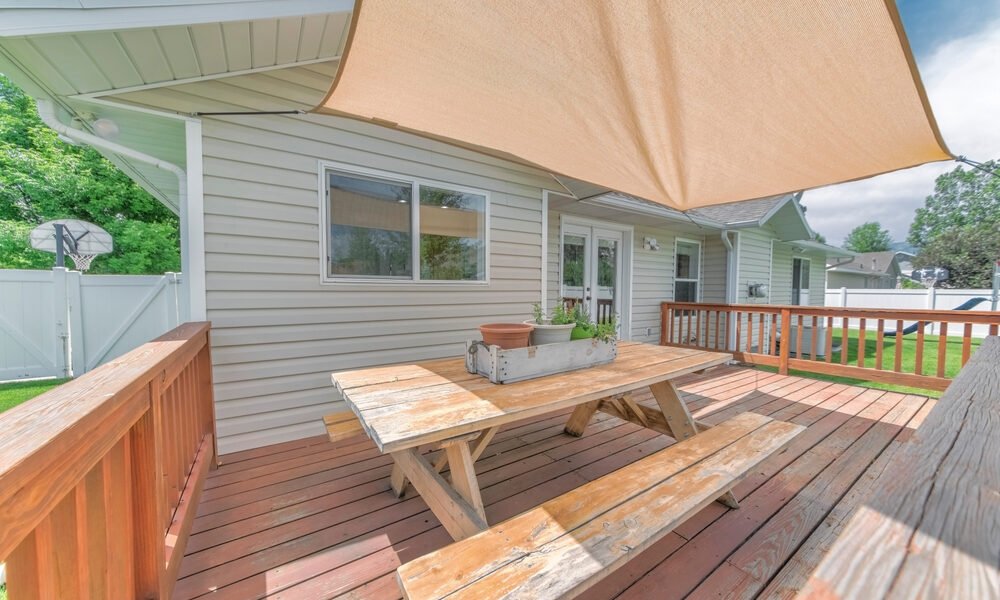
Custom Made Shade Sails are cut to match the exact span of a roofline pergola or open yard. In Sydney’s coastal suburbs wind speeds can exceed 60 km/h during a southerly buster and a precisely measured sail with reinforced stitching will stay taut and stable — In contrast a standard cover often flutters creating noise and reducing its lifespan. The tailoring process includes a site visit laser‑guided measurement and a CAD preview that shows exactly how the sail will sit over a patio in Bondi or a caravan park in the outback. From my experience the fit reduces sagging by at least 30 percent compared with off‑the‑shelf options.
And because the fabric is stretched over a defined frame, the sail distributes wind load evenly across all anchor points — That means you can use lighter hardware—stainless‑steel turnbuckles and galvanized eye bolts—without compromising safety. In Queensland’s tropical zones, the same principle keeps the sail from ballooning, protecting nearby trees and garden furniture. Result is a durable, low‑maintenance shade solution that respects local weather patterns.
Reason 2: Superior UV Protection and Fabric Quality
Australian UV‑resistant shade fabric, such as the 100 % polyester with a 90 percent UV‑blocking coating from Sunbrella, is a common choice for Custom Made Shade Sails. In Melbourne’s variable climate, that level of protection can block up to 95 percent of UVB rays, reducing skin‑cancer risk for families who spend afternoons outdoors. The fabric’s tight weave also prevents water from soaking through, so after a sudden rain shower, the sail dries within an hour, avoiding mold growth.
But there’s more to the fabric than just UV blocking. The material’s fire‑retardant treatment meets Australian safety expectations for commercial installations, like school playgrounds in Adelaide — In Perth, where the sun is harshest in the early morning, the fabric’s colourfastness ensures the sail stays vibrant for years without fading. That visual appeal matters for homeowners who want a coordinated look with their garden furniture.
Reason 3: Financial ROI and Energy Savings…
From a financial perspective, Custom Made Shade Sails can lower cooling costs for a home office in a Brisbane high‑rise. By shading a window wall, the sail can reduce indoor temperature by 5‑7 °C, meaning the air‑conditioning system runs less often. Over a summer season, that translates into measurable energy savings, which can be quantified on a utility bill. To be honest, in my experience, businesses with outdoor waiting areas in sydney see a 10‑15 percent drop in peak‑hour electricity use after installing a sail.
And the return on investment isn’t just about electricity, and a well‑designed sail adds a premium feel to a property, boosting resale value. Real‑estate agents in Melbourne’s inner suburbs report that homes with bespoke shading solutions command a higher price point, especially when the sail is a visual feature rather than a hidden utility. The durability of quality fabrics—lasting 10‑12 years with proper care—means the upfront expense spreads over a long period, making it a smart financial decision.
Reason 4: Design Flexibility and Property Value
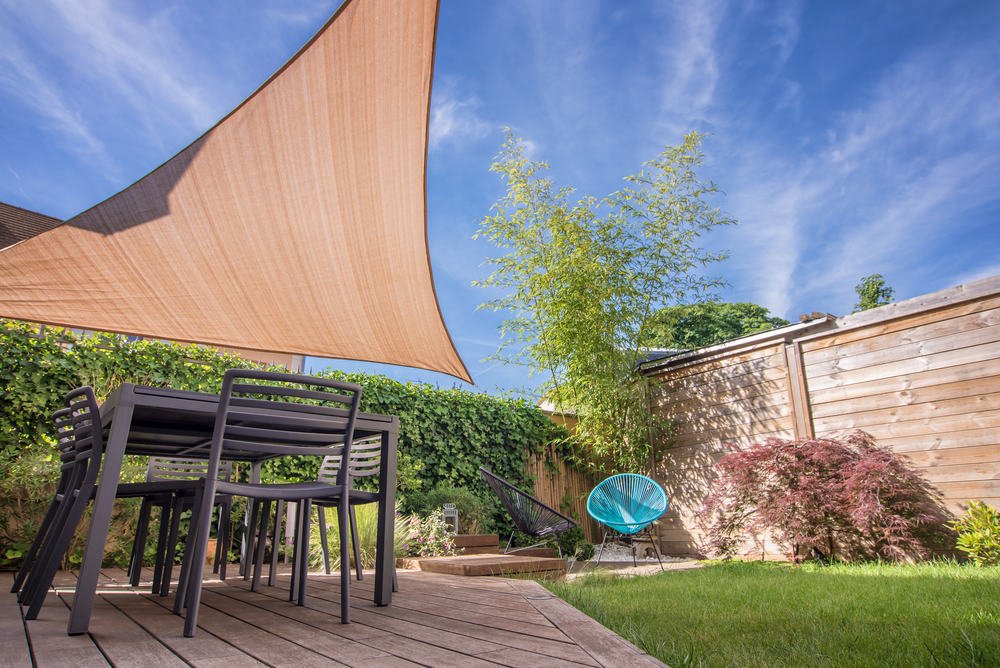
Custom Made Shade Sails come in a wide range of shapes—triangular, rectangular, and multi‑point designs that can cover irregular footprints like a pool deck in Surfers Paradise or a garden patio in Hobart. The ability to choose from a palette of 30 colour swatches, including matte charcoal & pastel teal, lets owners match the sail to the façade of a Victorian terrace in Fitzroy. In my experience, the visual impact of a colour‑coordinated sail can transform a bland backyard into a focal point for entertaining.
But flexibility isn’t just aesthetic. Honestly, multi‑point sails, with up to nine anchor points, can create a canopy over a large commercial car park in canberra without the need for heavy support columns — That open‑space design maximises parking capacity while providing shade for drivers. In a residential setting, a custom sail can be integrated with existing pergola posts, reducing the need for additional structural work and preserving garden landscaping.
Reason 5: Maintenance Simplicity and Longevity
When you choose a high‑grade acrylic fabric for a Custom Made Shade Sail cleaning becomes a straightforward task. A gentle rinse with a garden hose and a mild detergent removes dust and pollen which is especially useful in coastal areas like Fremantle where salty air can accumulate. The fabric’s resistance to mildew means you won’t need expensive anti‑fungal treatments even after months of exposure.
And because the sail is tensioned correctly during installation, the seams stay tight, preventing fraying. Regular inspections—once per season—allow you to spot any loose knots or worn hardware before they become a problem — In Queensland’s humid climate, that proactive approach extends the sail’s life by several years, protecting the investment & keeping the shade performance consistent.
Custom Made Shade Sails
Comparison of Shading Solutions…
| Solution | Installation Time | Typical Lifespan | UV Protection | Design Flexibility |
|---|---|---|---|---|
| Custom Made Shade Sails | 1‑2 days (site visit + installation) | 10‑12 years (premium fabric) | 90‑95 % UV‑blocking | High – multiple shapes, colours, sizes |
| Standard Cover (off‑the‑shelf) | Same‑day DIY | 3‑5 years (basic material) | 60‑70 % UV‑blocking | Low – limited dimensions |
| Pergola with Timber Beams | 3‑5 days (carpentry) | 15‑20 years (treated wood) | Variable – depends on roof material | Medium – fixed footprint |
| Retractable Awning | 2‑3 days (mechanical) | 7‑9 years (fabric + motor) | 80‑85 % UV‑blocking | Medium – limited to roof line |
Case Study: Melbourne Backyard Transformation
Jane and Tom live in a suburb of Melbourne’s inner east. Their outdoor entertaining area was exposed to harsh summer sun making it uncomfortable for guests. After consulting a local installer they opted for a Custom Made Shade Sail measuring 4 × 6 metres using a 100 % polyester fabric with a 90 % UV‑blocking coating. You know? The installation took a single morning and the sail was tensioned over three stainless‑steel anchor points set into the existing patio slab.
Within a week the temperature under the sail dropped by roughly 6 °C compared with the surrounding lawn — The couple reported that their energy bills fell noticeably during the summer months because the air‑conditioner ran less. On top of that the sail’s vibrant teal colour matched their garden furniture boosting the aesthetic appeal and increasing the perceived value of the property. Over the next two years the fabric showed no signs of fading or mildew confirming the durability of the custom solution.
Financing Options for Australian Homeowners
When you decide on a Custom Made Shade Sail, many suppliers offer interest‑free instal plans spread over 12 months, making the cash outlay manageable. In Queensland, some retailers partner with local credit unions to provide low‑rate loans that align with the sail’s expected lifespan. In Sydney, you can also explore a “pay‑as‑you‑go” option where a small monthly fee covers both the product and installation, and the agreement can be terminated after the first year without penalty.
But it’s worth checking whether your bank offers a home‑improvement line of credit that can be applied to shading projects. These lines often have flexible repayment terms and can be used for additional accessories like motorised tensioners. In my experience customers who combine a financing plan with a tax deduction for a business‑related shade sail see a faster return.
Installation Cost Breakdown (Without Prices)…
The installation of a Custom Made Shade Sail involves three main cost drivers: material, hardware, and labour. Material costs depend on the fabric type—polyester, acrylic, or PVC‑coated polyester—and the size of the sail. To be honest, hardware includes stainless‑steel turnbuckles, galvanized eye bolts, & marine‑grade rope or cable, each selected based on the site’s wind exposure. Labour covers the site survey, precise measurement, fabrication, and the final tensioning & anchoring process.
And there are hidden factors that can affect the total effort. For example, if the sail is being fitted over an existing pergola, the installer may need to reinforce the support beams, adding extra hardware. In coastal areas like Darwin, the hardware may require a corrosion‑resistant finish, which slightly extends the installation timeline. Understanding these variables helps you plan the project and avoid surprise expenses.
Tax Implications for Australian Businesses
Businesses that install Custom Made Shade Sails for client areas such as a café patio in Adelaide can claim the expense as a tax deduction under the “capital works” provision. The sail is considered a capital asset and the depreciation schedule typically spans five years allowing a steady deduction each financial year. In my experience owners who keep detailed invoices and photographic records of the installation process accelerate the claim process.
And if the shade sail is part of a larger renovation, you may be able to combine the deduction with other eligible improvements, like energy‑efficient lighting. For small enterprises in Perth, the Australian Taxation Office offers a simplified depreciation method for assets under a certain threshold, which can further reduce the taxable income.
Choosing the Right Installer Across Australia
When hunting for a contractor, look for installers who specialise in Custom Made Shade Sails and have a portfolio of projects in your region. In Sydney, reputable firms often showcase installations in suburbs such as Manly & Paddington, demonstrating experience with both residential & commercial sites. In Queensland, a good installer will understand the need for higher wind‑load ratings due to tropical storms.
But don’t forget to ask about after‑sales support. A solid warranty—typically ten years on the fabric and five years on hardware—shows confidence in the product. In Melbourne, many installers provide a free annual tension check for the first three years, ensuring the sail remains taut and safe. Choosing a provider with local references and a transparent service plan protects your investment.
Environmental Impact and Sustainability
Many Australian fabric manufacturers now produce shade sail material using recycled polyester, reducing the carbon footprint of the product. In Perth, a leading supplier sources its yarn from post‑consumer plastic bottles, converting waste into a durable, UV‑blocking fabric — The production process also uses water‑saving dye techniques, which align with sustainability goals for environmentally conscious homeowners.
And at the end of the sail’s life, the fabric can be recycled into new textile products, thanks to a take‑back scheme offered by several suppliers in Sydney and Brisbane. See, this circular approach means the material doesn’t end up in landfill, supporting australia’s broader waste‑reduction initiatives.
Maintenance Tips for Long‑Term Performance
Regular cleaning is essential to maintain the UV‑blocking efficiency of a Custom Made Shade Sail. A gentle spray from a garden hose, followed by a soft brush & a mild detergent, removes dust & bird droppings without damaging the coating. Look, in coastal regions like newcastle, a fresh‑water rinse after a salt‑spray event prevents salt build‑up that could degrade the fabric over time.
And schedule a bi‑annual inspection of the hardware, and check that turnbuckles are tight, eye bolts haven’t loosened, and the rope or cable shows no signs of fraying. Re‑tension the sail if you notice any sagging after a heavy wind event. Here’s the thing: this simple routine extends the sail’s lifespan and keeps the shade performance consistent.
Frequently Asked Questions
Q: Can I install a Custom Made Shade Sail myself?
Answer: While DIY is possible for small, simple designs, most Australian installers recommend professional installation to ensure proper tension and compliance with local wind‑load requirements.
Q: How long does a Custom Made Shade Sail last?
Answer: With premium fabric and regular maintenance you can expect a lifespan of 10‑12 years even in harsh sun and salt‑air environments.
Q: Are there colour options that won’t fade quickly?
Answer: Yes, many manufacturers use UV‑stable dyes that retain colour for years; popular choices in Melbourne include charcoal, deep blue, and sand‑beige.
Q: Do I need a building permit for a Custom Made Shade Sail?
Answer: In most Australian states, a permit isn’t required for sails under 15 m², but larger installations may need council approval, especially in heritage zones.
Q: Can a Custom Made Shade Sail be combined with lighting?
Answer: Absolutely. Integrated LED strip lighting can be mounted under the sail’s edge providing ambience for evening gatherings without compromising the fabric’s integrity.
Final Thoughts
From a financial, aesthetic, & practical standpoint, Custom Made Shade Sails outshine standard covers across Australia’s diverse climates. Whether you’re protecting a playground in Adelaide, a pool deck in Gold Coast, or a rooftop café in Hobart, the tailored fit, superior UV protection, and long‑term value make them a smart choice. By selecting the right fabric, installer, and financing route, you can enjoy a durable shade solution that enhances comfort, reduces energy costs, and adds a touch of style to any outdoor space.