


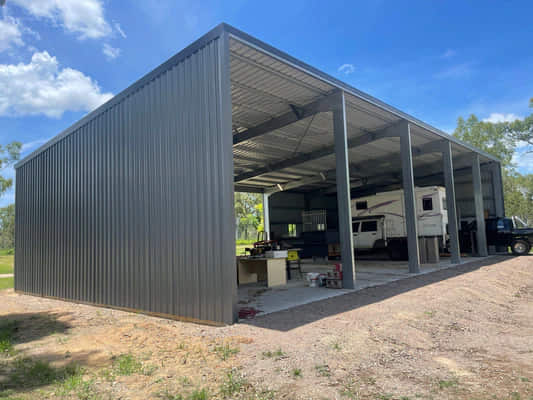
Have you ever walked into your farm shed only to discover a leak you didn’t know about? Or perhaps you’ve noticed those roller doors getting a bit sticky lately? Maybe you’re wondering whether that small patch of rust is something to worry about or just cosmetic damage?
Farm sheds are the unsung heroes of any agricultural property. They protect your machinery, store your equipment, and shelter your livestock from the harsh Australian elements. Yet, they’re often the last thing on our maintenance checklist. The truth is, a well-maintained shed can last decades longer than one that’s neglected. Plus, staying on top of small issues now prevents those costly emergency repairs down the track.
In this guide, you’ll discover practical, straightforward maintenance tips to keep your farm shed in top condition year-round. We’ll cover everything from roof inspections and wall care to door maintenance and pest prevention. Whether you own a Colorbond structure or a traditional steel shed, these tips will help you protect your investment without breaking the bank. Let’s get stuck into it.
How Often Should You Inspect Your Farm Shed?
Creating a Seasonal Maintenance Schedule
Setting up a seasonal maintenance routine is one of the smartest things you can do for your shed’s longevity. Think of it as a health check-up for your building. Most experts recommend a thorough inspection at least twice yearly—once before winter and again as summer approaches.
Spring is ideal for checking winter damage, clearing out accumulated debris, and preparing ventilation for warmer months. Autumn inspections should focus on ensuring your shed is ready to handle heavy rains and potential storms. Keep a simple checklist handy so you don’t miss anything important.
Signs Your Shed Needs Immediate Attention
Some issues simply can’t wait for your next scheduled inspection. Watch out for obvious water stains on walls or floors, which indicate active leaks. Doors that suddenly won’t close properly might signal structural movement. Strange noises during windy conditions could mean loose cladding or roofing sheets.
If you spot daylight coming through gaps that weren’t there before, that’s a red flag. The same goes for sudden increases in pest activity or musty smells suggesting moisture problems. Address these signs promptly before minor issues become major headaches.
Essential Roof Maintenance for Farm Sheds
How Do You Stop a Farm Shed Roof from Leaking?
Roof leaks are arguably the most common shed problem, but they’re often preventable. Start by examining your roof fasteners—those screws can loosen over time, especially after temperature fluctuations. If the rubber washers beneath them have perished, water will find its way through.
Lap joints between roofing sheets are another trouble spot. Check these connections and apply appropriate sealant if you notice gaps. For older sheds, consider having a professional assess the overall roof condition before problems escalate.
Clearing Gutters and Downpipes
Clogged gutters cause more damage than people realise. When water can’t drain properly, it backs up under your roofing, causing leaks and accelerating rust. Clean your gutters at least twice yearly, more often if you’ve got overhanging trees.
Don’t forget the downpipes—they’re just as important. Use a hose to flush them through and make sure water flows freely away from your shed’s foundations. Installing leaf guards can significantly reduce maintenance frequency in leafy areas.
Checking for Rust and Corrosion on Metal Roofing
Metal roofing is fantastic for Australian conditions, but it’s not immune to corrosion. Regularly inspect for rust spots, particularly around fastener points and cut edges. Early-stage rust can be treated with a rust converter and touched up with appropriate paint.
Pay special attention to areas where debris accumulates, as trapped moisture accelerates corrosion. If you’re near coastal areas, salt exposure means you’ll need to inspect more frequently. A good wash down with fresh water every few months helps remove corrosive salt deposits.
Keeping Your Shed Walls and Cladding in Top Condition
What Is the Best Way to Clean Colorbond Sheds?
Colorbond sheds are incredibly durable, but they still benefit from regular cleaning. The good news? It’s simpler than you’d think. A gentle wash with mild detergent and water does the trick for most situations. Avoid harsh chemicals or abrasive cleaners that can damage the protective coating.
For stubborn marks, a soft-bristled brush works wonders. Always rinse thoroughly with clean water afterwards. In rural areas, dust and agricultural residues can build up quickly, so aim for a proper wash every six months or so.
Repairing Dents, Scratches and Minor Damage
Farm sheds take a beating from everyday use—machinery bumps, flying debris, and general wear and tear. Small dents are usually cosmetic, but scratches need attention because they expose bare metal to moisture.
Touch-up paint matched to your shed colour is your best friend here. Clean the area first, apply a rust inhibitor if needed, then carefully apply the touch-up paint. For larger damage, replacement panels might be more practical than extensive repairs.
Preventing and Treating Rust on Steel Sheds
Prevention truly is better than cure when it comes to rust. Keep vegetation trimmed away from your shed walls to improve airflow and reduce moisture retention. Fix any drainage issues that cause water to pool near the structure.
When treating existing rust, wire brush the affected area back to clean metal before applying a quality rust converter. Follow up with primer and a matching topcoat. Catching rust early makes treatment far easier and more effective.
Door and Roller Door Maintenance
How Do You Maintain Roller Doors on Farm Sheds?
Roller doors cop plenty of use on busy farms, so they need regular attention. Start with the tracks—clear out dirt, leaves, and debris that accumulate at the bottom. This simple step prevents most jamming issues and reduces strain on the motor.
Check the rubber seals along the bottom and sides. These deteriorate over time and should be replaced when they no longer seal properly. Worn seals let in dust, water, and pests, undermining your shed’s protection.
Lubricating Hinges, Tracks and Moving Parts
Regular lubrication keeps everything running smoothly and quietly. Use a silicone-based lubricant on tracks, rollers, and hinges every three to four months. Avoid heavy oils or grease on tracks, as these attract dust and create gunky buildup.
For automatic doors, also check the springs and tension cables. These are under significant pressure, though, so leave adjustments to the professionals. A quick visual inspection for fraying or damage is sufficient for most property owners.


Farm Sheds
Fixing Common Door Alignment Issues
Doors that don’t close properly usually have alignment problems. This might be caused by loose hinges, damaged tracks, or settlement in your shed’s structure. Start by tightening all visible fasteners and checking that tracks are straight.
For roller doors, the tension on each side might need equalising. If your door leans to one side or makes grinding noises, it’s worth getting a professional assessment. Forcing misaligned doors causes further damage and potential safety hazards.
Concrete Slab and Flooring Care
How Do You Prevent Cracks in Shed Flooring?
Concrete cracks are common but largely preventable with proper care. Ensure adequate drainage around your shed to prevent water undermining the slab. Heavy vehicles and machinery should have designated paths to distribute weight evenly.
Control joints allow concrete to crack in predetermined locations rather than randomly across your floor. If your shed lacks these, consider having them cut in. Sealing your concrete every few years also helps prevent moisture penetration and subsequent cracking.
Dealing with Oil Stains and Spills
Oil and fuel spills happen on working farms—it’s unavoidable. The key is addressing them quickly before they penetrate deeply. Absorbent materials like kitty litter or sawdust work brilliantly for fresh spills.
For established stains, commercial concrete degreasers are effective. Apply according to directions, scrub with a stiff brush, and rinse thoroughly. Heavily stained areas might need multiple treatments. Consider placing drip trays beneath machinery to prevent future problems.
Ventilation and Moisture Control
Why Is Ventilation Important in Farm Sheds?
Proper ventilation isn’t just about comfort—it’s essential for protecting both your shed and its contents. Good airflow reduces humidity levels, preventing condensation that damages equipment and encourages rust. It also disperses fumes from stored chemicals or running machinery.
Reducing Condensation and Preventing Mould
Condensation forms when warm, moist air contacts cold surfaces. Ridge vents, wall vents, or whirlybirds all help maintain air circulation. Check that existing vents aren’t blocked by debris or equipment placement.
Mould thrives in damp, poorly ventilated spaces. If you spot mould growth, improve ventilation immediately and clean affected areas with appropriate mould-killing products. Persistent moisture problems might indicate leaks or inadequate drainage requiring professional attention.
Pest Prevention and Control
How Do You Keep Rodents Out of Farm Sheds?
Rodents love farm sheds—they offer shelter, warmth, and often easy access to stored feed or grain. Keep all food products in sealed containers and regularly sweep up spills. Block entry points by sealing gaps around doors, vents, and where services enter the building.
Managing Bird and Insect Infestations
Birds cause damage through nesting materials and droppings, which are corrosive to metal. Install bird deterrents like netting or spikes on favoured perching spots. Remove existing nests during appropriate seasons.
For insects, regular cleaning and proper storage practices make your shed less attractive. Wasps particularly favour sheds for nesting—address nests early before colonies establish.
Structural Checks and Safety Inspections
Inspecting Posts, Beams and Connections
Visual inspections of your shed’s framework should happen annually at minimum. Look for bent, corroded, or damaged structural members. Check that bolted connections remain tight and that welds show no cracking.
When Should You Call a Professional?
Some jobs require expert knowledge. Call in professionals for structural concerns, major Roof repairs, electrical issues, or anything involving working at height. The cost of proper repairs far outweighs potential injury or extensive damage from DIY attempts gone wrong.
Low-Cost Maintenance Tips to Extend Your Shed’s Lifespan
You don’t need a massive budget to maintain your shed effectively. Regular cleaning costs nothing but time. Keeping vegetation cleared improves airflow and prevents moisture damage. Promptly addressing small repairs stops them becoming expensive problems.
Stock up on touch-up paint, lubricants, and basic sealants when they’re on special. A simple toolkit dedicated to shed maintenance means you’re always ready for minor fixes. Most importantly, consistent attention to your shed beats irregular intensive maintenance every time.
Protecting Your Investment Year-Round
Maintaining your farm shed doesn’t need to be complicated or time-consuming. The key is consistency—regular inspections, prompt repairs, and a proactive approach to potential problems. A little effort each season saves considerable money and hassle over your shed’s lifetime.
Your farm shed represents a significant investment, both financially and practically. It protects your valuable equipment, stores your essential supplies, and supports your daily operations. Treating its maintenance as a priority just makes good sense.
So, grab that checklist and start your next inspection this weekend. Your future self—and your wallet—will thank you for it. After all, a well-maintained shed isn’t just a building; it’s peace of mind for years to come.