Eco-Friendly Pest Control: Safe and Sustainable Solutions for 2026
Have you ever wondered what’s really in those chemical sprays you’re using around your home? Are you concerned about the impact traditional pest control methods might have on your children, pets, or the environment? What if there was a better way to tackle unwanted critters without compromising your family’s health or the planet’s wellbeing?
You’re not alone in asking these questions. More Australian homeowners than ever are seeking greener alternatives to conventional pest management. The good news? Eco-friendly pest control has come a long way, and 2026 is shaping up to be a brilliant year for sustainable solutions that actually work.
In this guide, we’ll explore everything you need to know about green pest management. From understanding what makes a method truly eco-friendly to discovering practical DIY solutions for common household pests, we’ve got you covered. Plus, we’ll look at the latest trends and innovations that are revolutionising the industry. Whether you’re dealing with termites, cockroaches, or rodents, you’ll find safe, effective strategies to protect your home without harming the environment.
What Is Eco Friendly Pest Control?
Defining Green Pest Management
Green pest management refers to approaches that prioritise environmental safety while effectively controlling unwanted pests. These methods focus on using natural, non-toxic substances and techniques that minimise harm to humans, animals, and ecosystems.
At its core, eco-friendly pest control works with nature rather than against it. This might involve introducing beneficial insects, using plant-based repellents, or implementing physical barriers. The goal is to manage pest populations sustainably without leaving behind harmful residues.
How Does Eco-Friendly Pest Control Differ from Traditional Methods?
Traditional pest control often relies heavily on synthetic chemicals that can linger in your home for weeks or even months. These substances may pose risks to your family’s health and can contaminate soil and waterways.
Eco-friendly alternatives take a different approach. They use biodegradable products, target specific pests rather than killing indiscriminately, and focus on prevention rather than just treatment. What’s more, green methods often address the root cause of infestations rather than simply eliminating visible pests.
The Benefits of Sustainable Pest Control Solutions
Protecting Your Family and Pets from Harmful Chemicals
One of the biggest advantages of going green is the safety factor. Traditional pesticides contain chemicals that have been linked to various health concerns, from respiratory issues to more serious long-term effects.
With eco-friendly options, you can breathe easier—literally. Natural products are generally safer for curious toddlers who put everything in their mouths and pets who love exploring every corner of your home. You won’t need to evacuate your house or worry about toxic residues on surfaces where your family eats and plays.
Environmental Impact: Safeguarding Native Wildlife and Pollinator
Australia’s unique ecosystem is home to countless native species that can be harmed by conventional pesticides. Bees, butterflies, and other pollinators are particularly vulnerable, and their decline affects our entire food chain.
Sustainable pest control protects these vital creatures. By choosing targeted methods that affect only the pests you’re dealing with, you’re helping preserve the delicate balance of local ecosystems. It’s a small choice that makes a big difference.
Long Term Cost Savings for Homeowners
Here’s something that might surprise you: eco-friendly pest control can actually save you money over time. While some green products have a higher upfront cost, they often provide longer-lasting results.
Prevention-focused approaches mean fewer repeat treatments. Plus, you’re protecting your home’s structure from chemical damage and potentially avoiding costly health-related expenses. It’s an investment that pays off in multiple ways.
Is Eco Friendly Pest Control as Effective as Chemical Treatments?
This is probably the most common question homeowners ask, and the answer is a resounding yes—when done correctly. Modern eco-friendly methods have evolved significantly and can be just as effective as their chemical counterparts.
The key lies in proper application and combining multiple approaches. Integrated Pest Management (IPM), which we’ll explore shortly, has proven remarkably successful in both residential and commercial settings. Many professional pest controllers now prefer green methods because they deliver lasting results without the downsides.
That said, some severe infestations may require stronger interventions. A qualified eco-friendly pest controller can assess your situation and recommend the most appropriate approach for your specific needs.
Popular Eco Friendly Pest Control Methods for 2026
Biological Pest Control: Using Nature Against Pests
This clever approach introduces natural predators or parasites to control pest populations. For example, certain nematodes can effectively target lawn grubs, while ladybirds are brilliant at keeping aphid numbers in check.
Biological control is particularly popular in agricultural settings but works wonderfully in home gardens too. It’s nature’s own pest management system, just given a helping hand.
Organic and Plant-Based Repellents
Essential oils like peppermint, eucalyptus, and tea tree have natural pest-repelling properties. These plant-based solutions smell pleasant to us but send pests running in the opposite direction.
Products containing diatomaceous earth, neem oil, and pyrethrin (derived from chrysanthemums) offer effective control without synthetic chemicals. They’re widely available and easy to use around the home.
Physical Barriers and Exclusion Techniques
Sometimes the simplest methods are the most effective. Sealing entry points, installing mesh screens, and using door sweeps can prevent pests from entering your home in the first place.
These physical barriers require no chemicals whatsoever and provide permanent protection when properly installed. It’s about making your home fortress-like to unwanted visitors.
Integrated Pest Management (IPM) Explained
IPM combines multiple strategies for maximum effectiveness. It starts with identification and monitoring, moves to prevention, and only uses treatment as a last resort.
This science-backed approach considers the entire ecosystem and aims for long-term solutions rather than quick fixes. Many Australian councils and agricultural bodies now recommend IPM as the gold standard for pest management.
What Are the Best Natural Pest Control Methods for Homes?
DIY Solutions for Common Household Pests
You’d be amazed what you can achieve with everyday household items. A mixture of vinegar and water deters ants, while bicarbonate of soda combined with sugar creates an effective cockroach bait.
Keeping your home clean and dry removes the food and water sources pests need to survive. Store food in airtight containers, fix leaky taps promptly, and regularly vacuum to remove crumbs and debris. These simple habits make a massive difference.
When to Call a Professional Eco-Friendly Pest Controller
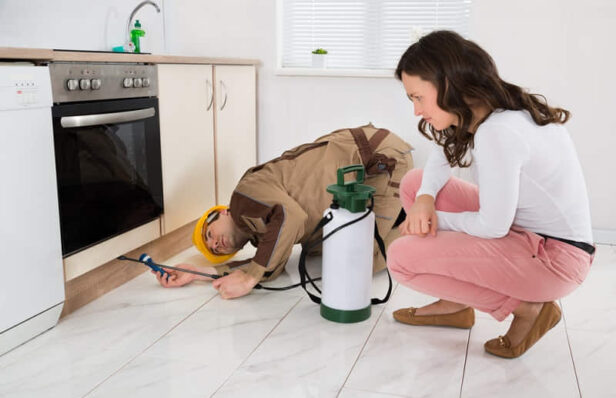
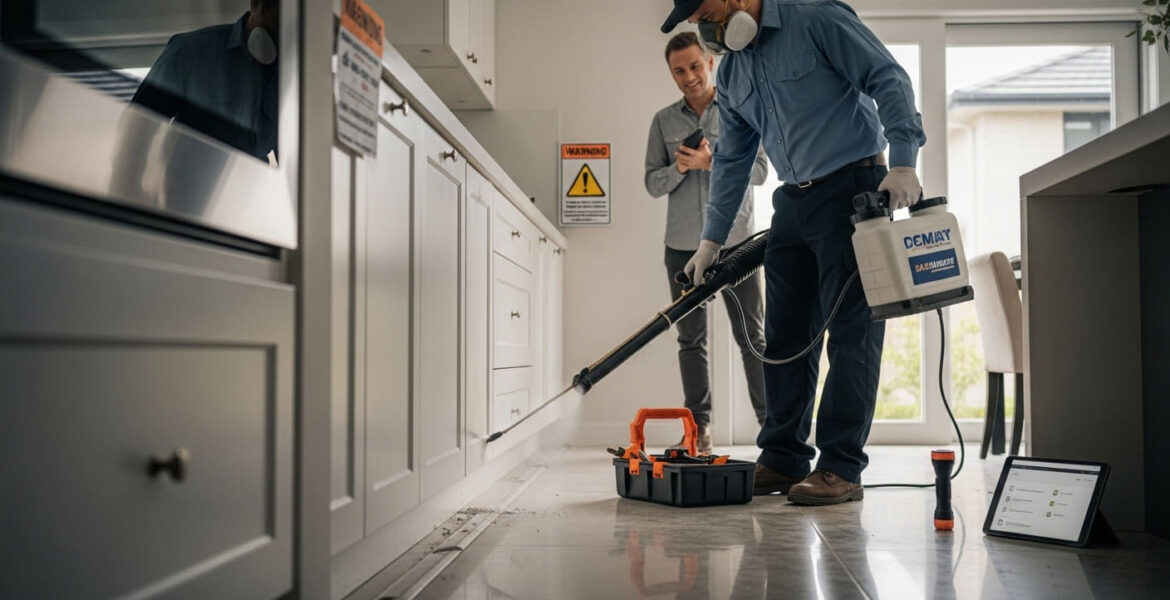
While DIY methods work well for minor issues, some situations require professional expertise. Large infestations, structural pests like termites, or recurring problems are best handled by qualified technicians.
Professional eco-friendly pest controllers have access to commercial-grade natural products and specialised equipment. They can also identify hidden entry points and breeding sites that homeowners often miss.
Eco-Friendly Solutions for Specific Pests in Australia
Natural Termite Control Options
Termites cause billions of dollars in damage to Australian homes each year. Fortunately, there are effective green solutions available.
Physical barriers made from crushed granite or stainless steel mesh can protect new builds. For existing properties, baiting systems using cellulose attract termites and eliminate colonies without widespread chemical use. Regular inspections remain crucial for early detection.
Safe Cockroach and Ant Removal
Boric acid, while needing careful application around children and pets, offers a natural solution for cockroach control. Diatomaceous earth works brilliantly for both cockroaches and ants, damaging their exoskeletons without toxic chemicals.
Essential oil sprays containing peppermint or citrus oils create effective barriers. For ant problems, locating and treating the nest directly provides the most lasting results.
Sustainable Rodent Management
Snap traps remain one of the most humane and eco-friendly rodent control methods. They’re chemical-free and provide instant results.
Prevention is equally important. Seal gaps around pipes, keep vegetation trimmed away from your house, and store rubbish in secure bins. Ultrasonic deterrents offer another non-toxic option, though results vary.
Non-Toxic Spider and Insect Deterrents
Most Australian spiders are actually beneficial, controlling other pest populations. However, if you’d prefer they stay outdoors, natural deterrents can help.
Peppermint oil, citrus peels, and chestnuts are all said to repel spiders. Regular cleaning, especially removing webs, discourages them from settling in. For other insects, fly screens and proper food storage go a long way.
Are Natural Pest Control Products Safe for Children and Pets?
Generally speaking, natural pest control products are significantly safer than synthetic alternatives. However, “natural” doesn’t automatically mean harmless.
Some plant-based substances can still cause reactions in sensitive individuals or pets. Essential oils, for instance, can be toxic to cats if used incorrectly. Always read labels carefully, follow application instructions, and keep products stored safely out of reach.
When in doubt, consult with a professional who can recommend the safest options for your household’s specific circumstances.
How to Choose an Eco-Friendly Pest Control Company
Questions to Ask Before Hiring
Start by asking about their specific methods and products. A genuinely green company should be happy to explain exactly what they use and why.
Enquire about their approach to prevention and whether they offer ongoing monitoring. Ask for references and check online reviews. Don’t be afraid to request information about their training and qualifications.
Certifications and Standards to Look For
Look for companies with environmental certifications or memberships in industry associations that promote sustainable practices. Some pest controllers hold specific eco-friendly accreditations.
Check whether they follow IPM principles and ask about their commitment to minimising environmental impact. Reputable companies will have clear policies and be transparent about their practices.
Preventing Pest Infestations Naturally: Proactive Tips for 2026
Prevention truly is the best cure when it comes to pest management. Regular home maintenance, including fixing cracks and gaps, keeps pests outside where they belong.
Maintain good hygiene practices, especially in kitchens and bathrooms. Remove standing water, keep gardens tidy, and store firewood away from your home. Consider companion planting in your garden—certain plants naturally repel specific pests.
Seasonal inspections, particularly before summer when pest activity increases, help catch problems early. A little vigilance goes a long way toward maintaining a pest-free home naturally.
The Future of Sustainable Pest Control: Trends and Innovations
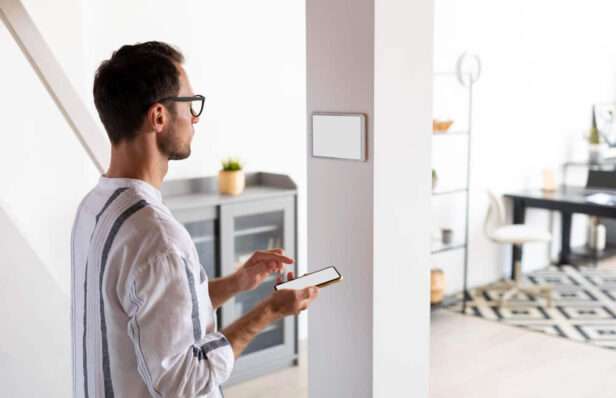
The pest control industry is evolving rapidly, with exciting innovations on the horizon. Smart monitoring systems using IoT technology can detect pest activity early, enabling targeted interventions before infestations take hold.
Researchers are developing new biological controls and pheromone-based traps that are incredibly species-specific. Gene-editing technologies may eventually offer ways to control pest populations without any chemicals at all.
As consumer demand for green solutions grows, expect to see more effective, affordable eco-friendly products hitting the market throughout 2026 and beyond.
Making the Switch to Greener Pest Solutions
Eco-friendly pest control isn’t just a trend it’s the future of protecting our homes and environment. Throughout this guide, we’ve explored how green methods can be just as effective as traditional approaches while offering significant benefits for your family’s health and the planet.
The options available in 2026 are more effective and accessible than ever before. From biological controls and plant-based repellents to integrated pest management strategies, there’s a sustainable solution for virtually every pest problem. Whether you tackle issues yourself or hire a professional, going green is a decision you won’t regret.
So why not give eco-friendly pest control a go? Your family, your pets, and our beautiful Australian environment will thank you for it. Start with small changes seal those entry points, try some natural repellents, and consider switching to a green pest control provider. Every step toward sustainability makes a difference, and your home can be both pest-free and planet-friendly.