


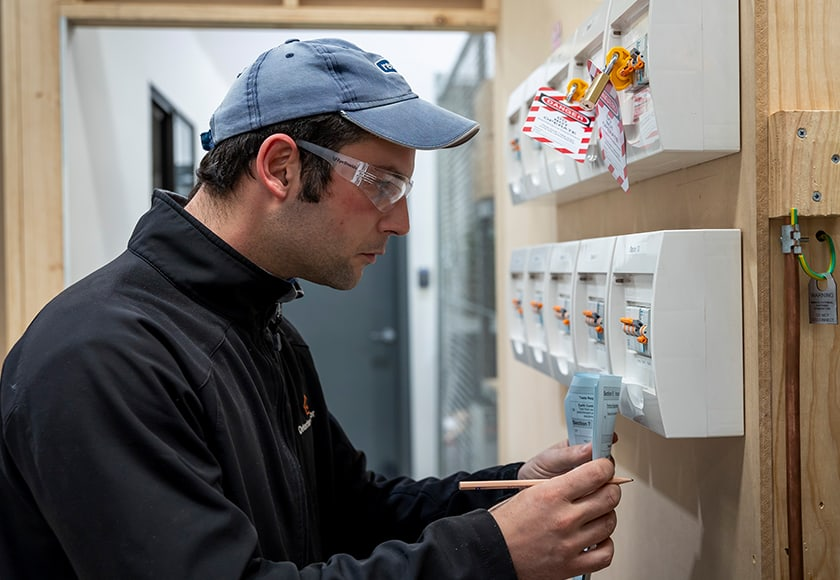
Have you ever noticed a strange burning smell near your power points? Do your lights flicker for no apparent reason? When was the last time you actually thought about the electrical system running through your walls?
Here’s the thing – most of us take our home’s electrics for granted until something goes wrong. We flick switches, plug in appliances, and charge our phones without a second thought. But electrical faults cause hundreds of house fires across Australia every year, and many of these could have been prevented with regular safety checks. Your home’s wiring is like the nervous system of your property, and keeping it healthy should be a priority for every household.
In this guide, we’ll walk you through everything you need to know about electrical safety checks at home. You’ll discover the warning signs that indicate trouble, learn which inspections you can safely do yourself, and understand when it’s time to call in a licensed sparkie. We’ll also cover costs, what professionals look for during inspections, and share some practical tips for keeping older homes safe. By the end, you’ll feel confident about protecting your family and property from electrical hazards.
What Is an Electrical Safety Check?
Understanding the Basics of Home Electrical Inspections
An electrical safety check is essentially a health check-up for your home’s electrical system. It involves examining wiring, power points, switches, appliances, and your switchboard to identify potential hazards before they become dangerous problems.
Think of it as preventative maintenance. Just like you’d service your car regularly, your electrical system needs attention too. These inspections can range from simple visual checks you do yourself to thorough professional audits that test every component of your system.
The goal is straightforward – identify faults, worn components, or outdated equipment that could cause electric shocks, fires, or damage to your appliances.
How Often Should You Get Your Electrics Checked at Home?
Most electricians recommend a professional inspection every five years for standard homes. However, if your property is older than 25 years, you might want to consider more frequent checks – perhaps every two to three years.
Rental properties in Australia have specific requirements too. Landlords must make sure electrical installations are safe, and many states now require regular inspections. If you’ve just moved into a new place, getting an electrical safety check should be high on your to-do list.
Warning Signs Your Home Needs an Electrical Safety Inspection
Flickering Lights and What They Really Mean
We’ve all experienced the occasional flicker, especially during storms. But consistent flickering is your home trying to tell you something’s not right. It could indicate loose wiring, an overloaded circuit, or problems with your electrical connections.
If the flickering happens in just one room, the issue might be localised to that circuit. However, if lights throughout your house are affected, you could have a more serious problem at the switchboard or with your main electrical supply.
Don’t ignore this warning sign. What starts as a minor annoyance could develop into a major fire risk.

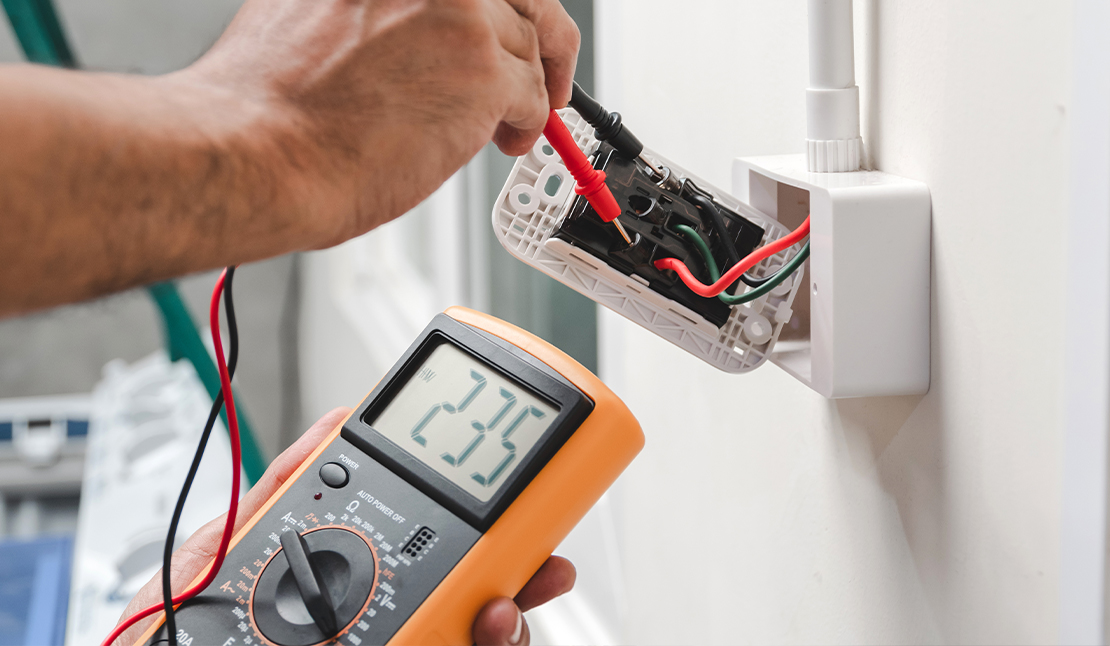
Electrical Safety Check
Burning Smells, Sparks, and Other Red Flags
A burning smell near outlets or switches demands immediate attention. This often indicates overheating wires, which can ignite insulation or surrounding materials. If you notice this, switch off the power at the switchboard and call an electrician straight away.
Sparks when plugging in appliances are another concern. Small, occasional sparks can be normal, but large, frequent, or coloured sparks suggest something’s wrong. Look out for discoloured power points too – brown or black marks often indicate heat damage.
Frequently Tripping Circuit Breakers
Your circuit breakers exist to protect you. When they trip, they’re cutting power to prevent overloading or short circuits. Occasional trips aren’t unusual, especially if you’re running multiple high-powered appliances.
But if your breakers trip regularly, there’s an underlying issue. This could be faulty wiring, a damaged appliance, or circuits that simply can’t handle modern electrical demands. Rather than repeatedly resetting the breaker, get a professional to investigate.
DIY Electrical Safety Checks You Can Do Today
How to Check Electrical Safety at Home: A Room-by-Room Guide
You can perform basic visual inspections without any special training. Start in the kitchen, where moisture and heavy appliance use create extra risks. Check that power points aren’t cracked or discoloured, and make sure cords aren’t frayed or damaged.
Move through each room systematically:
Living areas: Check extension leads aren’t overloaded and cables aren’t running under rugs
Bedrooms: Inspect bedside lamp cords and charger cables for damage
Bathrooms: Verify that power points are away from water sources
Outdoor areas:Examine weatherproof covers on external outlets
Testing Your Safety Switches and RCDs
Safety switches (also called RCDs) are your first line of defence against electric shock. Testing them takes just seconds and should be done every three months.
Simply press the ‘test’ button on your switchboard’s RCD. It should trip immediately, cutting power to that circuit. Reset it by flipping the switch back on. If it doesn’t trip when tested, you need an electrician to check it – your safety switch might not protect you when you need it most.
Inspecting Power Points, Cords, and Appliances
Take a close look at all your power points. Are any loose, cracked, or warm to the touch? Warm outlets indicate potential problems inside the wall. Check that plugs fit snugly – loose connections generate heat and increase fire risk.
Examine appliance cords for cuts, fraying, or exposed wires. Pay special attention to frequently used items like kettles, toasters, and phone chargers. Any damaged cords should be replaced immediately.
Checking Your Switchboard for Obvious Issues
Your switchboard is the heart of your electrical system. Open the cover and look for:
- Signs of burn marks or discolouration
- Ceramic fuses (these are outdated and should be upgraded)
- Proper labelling of circuits
- Any unusual smells or sounds
If you spot anything concerning, don’t attempt repairs yourself. Switchboard work requires a licensed electrician.
What Does an Electrical Safety Check Include When Done Professionally?
The Difference Between a Visual Inspection and a Full Electrical Audit
A visual inspection covers the basics – looking for obvious damage, checking connections, and identifying potential hazards. It’s quicker and cheaper but doesn’t test the actual condition of your wiring.
A full electrical audit goes much deeper. Electricians use specialist equipment to test circuit integrity, earthing, and insulation resistance. They’ll check that your system meets current Australian standards and provide a detailed report of any issues found.
What Do Electricians Look for During a Home Safety Check?
Professional electricians examine components you can’t easily access. They’ll test the integrity of wiring inside walls, verify that circuits aren’t overloaded, and check earthing systems are functioning correctly.
They also assess whether your switchboard can handle your household’s electrical demands. Many older properties simply weren’t designed for today’s appliance-heavy lifestyles.
Can I Do My Own Electrical Safety Check?
What Homeowners Can Safely Inspect Themselves
Visual inspections are absolutely fine for homeowners. You can check outlets, examine cords, test safety switches, and look for warning signs throughout your property. These regular checks help you catch problems early.
When You Must Call a Licensed Electrician
Anything beyond visual inspection requires professional help. In Australia, electrical work must be performed by licensed electricians – it’s not just good advice, it’s the law. This includes repairing outlets, replacing switches, or any work inside your switchboard.
Electrical Safety Tips for Older Homes
Common Hazards in Properties Over 25 Years Old
Older homes present unique challenges. Wiring deteriorates over time, and installations from decades past weren’t designed for modern electrical loads. Common issues include outdated switchboards with ceramic fuses, deteriorating insulation, and insufficient power points leading to overuse of extension leads.
Upgrading Outdated Wiring and Switchboards
If your home still has an old-style switchboard, upgrading should be a priority. Modern switchboards with circuit breakers and safety switches provide vastly improved protection. While rewiring is expensive, it’s sometimes necessary for safety.
Keeping Your Family Safe: Ongoing Electrical Maintenance Tips
Make electrical safety part of your routine. Test RCDs quarterly, conduct visual inspections seasonally, and schedule professional checks every five years. Teach children about electrical safety, and never overload power points with too many appliances.
Taking Action for a Safer Home
Electrical safety isn’t something to put off until later. The checks we’ve discussed today range from simple visual inspections you can complete in an afternoon to professional audits that provide thorough peace of mind.
The key takeaway? Stay vigilant for warning signs, perform regular DIY checks, and don’t hesitate to call a licensed electrician when something seems off. Your home’s electrical system works hard every day – giving it proper attention protects both your property and your loved ones.
Start today with a room-by-room inspection, test your safety switches, and consider booking a professional check if it’s been a while. Your family’s safety is worth every minute you invest.