


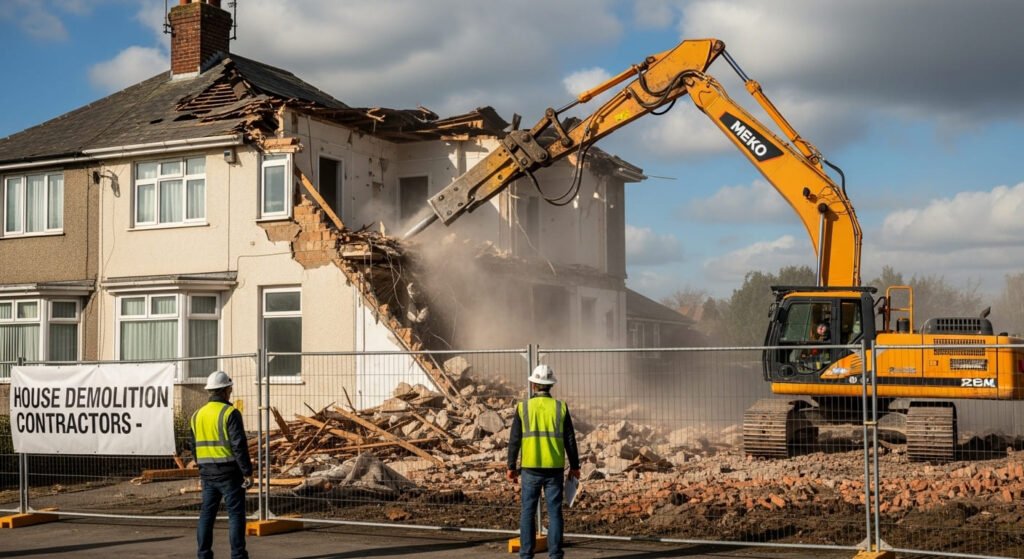
House Demolition in Hornsby is a big step, & we’re breaking it down so you know exactly what to expect. Below you’ll find the five secrets that keep projects on track avoid nasty surprises and get the site ready for a new build. From council approvals to recycling waste we cover the whole shebang.
What is House Demolition and Why It Matters in Hornsby
House Demolition isn’t just knocking down walls; it’s a coordinated process that clears a property while protecting neighbours, the environment, and your future plans. In Hornsby, the mix of older timber-frame homes and newer brick veneer houses means you’ll encounter a range of materials that need different handling.
From what I’ve seen, the local climate—wet winters and hot, dry summers—can affect dust control and site access. The terrain in Hornsby often slopes toward the Lane Cove River, so water runoff & soil stability become part of the planning. And the council’s heritage overlay can flag a Victorian-era bungalow for special attention.
Secret 1: Get the Right Permits Early
What typically happens is people start demolition before the paperwork is in order, & then the council stops work. The thing is, Hornsby Council requires a demolition permit, and you’ll also need to notify Sydney Water and electricity providers.
- Apply for the demolition permit at the Hornsby Council online portal.
- Submit a site plan showing setbacks, access routes, and any heritage concerns.
- Make sure you have a written approval from the council before any equipment hits the ground.
And don’t forget the environmental assessment if the lot sits near the river. That’s a separate form, but it’s quicker to sort when you’ve already spoken to the council officer.
Secret 2: Identify Asbestos and Hazardous Materials
In many Hornsby homes built before the 1990s, asbestos-cement sheeting and pipe insulation are still lurking. Ah, i’ve noticed that a quick visual inspection often misses hidden pockets, so a professional survey is a must.
- Hire a licensed asbestos removal service in Hornsby.
- Ask for a written report that outlines where the material is & how it will be removed.
- Make sure the removal crew follows the NSW Work Health and Safety guidelines.
But if you skip this step, you could end up with a health hazard and a hefty fine. And the cleanup crew will need to wear full protective gear, which adds time to the schedule.
Secret 3: Choose the Right Demolition Method
There are four main ways to bring a house down, and each has its own sweet spot in Hornsby. Mechanical demolition with excavators is the workhorse for most single-storey homes, while deconstruction is better when you want to salvage timber or bricks.
| Method | Best For | Pros | Cons |
| Mechanical (excavator) | Standard brick veneer | Fast, cost-effective | Generates dust |
| Deconstruction | Heritage timber | Salvage value, less waste | Longer timeline |
| Robotic | Limited access sites | Precision low noise | Higher equipment cost |
| Implosion | Large multi-storey | Very fast | Requires extensive safety zone |
From my experience, most Hornsby homeowners pick mechanical demolition because the streets are wide enough for an excavator and the turnaround is quick. But if you have a heritage home, deconstruction can turn old timber into timber flooring for the new build.
Secret 4: Plan for Waste Recycling and Site Rehab
Demolition waste in NSW can be turned into recycled material and Hornsby residents love a green approach. The council offers a waste-recycling program that accepts concrete bricks, & timber.
- Separate concrete and bricks for crushing into aggregate.
- Send clean timber to a local recycling yard.
- Arrange a soil test if the lot will host a garden or playground.
And after the debris is cleared, you’ll need to level the ground. A typical site prep involves grading, adding a layer of topsoil, and compacting it to prevent future settlement.
Secret 5: Communicate with Neighbours & Council
Noise, dust, and traffic are the three biggest complaints during a demolition. The thing is, Hornsby Council expects you to post a site notice with contact details & work hours.
- Notify neighbours at least two weeks before work starts.
- Post a sign with the contractor’s phone number and the expected end date.
- Make sure you have a plan for dust suppression—water sprays work well in dry season.
But if you keep the lines open you’ll avoid neighbour disputes and possible council fines. And a friendly chat can even lead to a neighbour offering to watch the site while you’re away.
Case Study: How a Hornsby Family Cleared Their Lot in Six Weeks
John and Melissa bought a 1970s brick veneer home on the edge of the Lane Cove River. The house had a small asbestos-cement roof & a detached garage that needed removal. They hired a licensed NSW demolition contractor who started with a council permit & an asbestos survey. The contractor used a mid-size excavator for the main house, salvaged the timber frames, and sent the concrete to a local recycling facility. Meanwhile, the family’s neighbours were kept in the loop with weekly updates, and dust control was handled with nightly water sprays. Within six weeks the lot was leveled, the soil tested, and the site ready for a new eco-home. The family saved time, avoided fines, and even earned a small amount from the reclaimed timber.
Choosing the Right Hornsby House Demolition Contractor —
When you look for a contractor, ask about their experience with local council processes. In my experience, the best crews have a track record of at least ten years in the Hornsby area and can show you recent project photos.
- Check that they hold a valid NSW demolition licence.
- Ask for references from other Hornsby homeowners.
- Make sure they have a clear safety plan and dust-control strategy.
And don’t be shy about asking how they handle unexpected findings like asbestos or underground services. Look, a good contractor will pause work, inform you, and propose a solution without delay.
Emergency House Demolition in Hornsby
Sometimes a house needs to go down fast—think storm damage or a fire-ridden structure. In those cases, the emergency demolition process speeds up the permit stage. The council can issue a temporary demolition order if the building is deemed unsafe.
- Contact a licensed demolition crew that offers 24-hour response.
- Provide proof of ownership and any insurance paperwork.
- Make sure the crew has a plan for rapid asbestos testing.
But remember, even in an emergency, you still need to protect neighbours from dust and noise. A quick-set water spray system and a temporary fence go a long way.
Post-Demolition Site Rehabilitation
Once the house is gone, the site isn’t just a pile of dirt. Hornsby homeowners often want to turn the cleared lot into a garden, a pool, or a new home footprint — The first step is a soil compaction test, which tells you if the ground can support a foundation.
- If the soil is soft, add a layer of crushed rock and compact it.
- Consider a ground-cover plant to prevent erosion during the rainy season.
- Plan for drainage to avoid runoff into the nearby creek.
And if you’re building a new home, you’ll need a new building permit, but the demolition paperwork can often be attached to the new application, speeding up approval.
Conclusion
House Demolition in Hornsby is a multi-step adventure that works best when you follow the five secrets we’ve laid out, and to be honest, get permits early, check for asbestos, pick the right demolition method, recycle waste, and keep the neighbourhood in the loop. With the right contractor and a solid plan, you’ll clear the old and set the stage for the next chapter without a hitch.