


Why a Reliable Hot Water Services Matters
A dependable Hot Water Services is a cornerstone of everyday comfort in Australian homes. From early morning showers to washing dishes, the right system keeps water at the right temperature when you need it. In a country where climate can shift from cool southern winters to scorching northern summers, a well-chosen Hot Water Services helps manage energy bills and reduces the risk of costly breakdowns. Homeowners also benefit from peace of mind, knowing that their system complies with local safety standards and environmental regulations. Whether you live in a city apartment, a suburban house, or a rural property, the performance of your Hot Water Services directly impacts daily routines and long-term property value.
Types of Hot Water Systems Used Across Australia
Electric Storage Heaters
Electric storage heaters are among the most common Hot Water Servicess in Australian households. They store heated water in an insulated tank, ready for use at any time. This type is especially popular in regions where gas supply is limited or where homeowners prefer a simple, low-maintenance solution. Modern electric models often feature timers and thermostats that help minimise energy consumption, making them a practical choice for families looking to balance cost and convenience.
Gas Continuous Flow (Tankless) Systems
Gas continuous flow, or tankless, Hot Water Servicess heat water on demand as it passes through a heat exchanger. This design eliminates the need for a large storage tank, freeing up space and reducing standby heat loss. In many Australian cities, natural gas pipelines are readily available, allowing homeowners to install a gas-powered Hot Water Services that delivers hot water instantly, even during peak usage periods. Proper ventilation and regular servicing are essential to keep the system safe and efficient.
Solar Hot Water Systems
Solar Hot Water Servicess harness the abundant Australian sunshine to heat water using collector panels mounted on roofs. These systems typically work in tandem with a backup electric or gas heater, ensuring a reliable supply even on cloudy days. Solar Hot Water Servicess are praised for their low operating costs and reduced carbon footprint, aligning with the growing environmental awareness among Australian consumers. Incentives and rebates from state governments further encourage adoption of this renewable technology.
Heat Pump Water Heaters
Heat pump Hot Water Servicess extract heat from ambient air and transfer it to the water tank, offering higher efficiency than traditional electric heaters. They are well suited to temperate Australian climates where the air temperature remains moderate for most of the year. Although the upfront cost can be higher, the long-term savings on electricity bills and the reduced environmental impact make heat pump Hot Water Servicess an attractive option for eco-conscious homeowners.
Local Regulations and Standards
Australia’s building codes and standards set clear requirements for Hot Water Services installation and safety. The Australian Standard AS/NZS 3500 outlines plumbing and drainage specifications, while the National Construction Code (NCC) mandates compliance with energy efficiency measures. In many states, a licensed plumber must obtain a permit before installing a new Hot Water Services, especially for gas-powered systems. Homeowners should also be aware of local council regulations regarding roof-mounted solar collectors and the need for proper venting of gas appliances. Staying compliant not only avoids fines but also ensures the system operates safely and efficiently.
Choosing the Right Provider
Selecting a reputable provider for your Hot Water Services can be the difference between a smooth installation and future headaches. Look for companies that are licensed, offer clear warranties, and provide transparent pricing. It’s also helpful to compare multiple quotes and ask about after-sales support. Below are key factors to consider when evaluating providers:
- Licensing and accreditation: Verify that the provider holds a valid plumbing or gas licence in your state.
- Experience with local conditions: Providers familiar with regional climate and water quality can recommend the most suitable system.
- Warranty coverage: A solid warranty protects your investment and shows confidence in the product.
- Customer reviews: Look for feedback from other Australian homeowners to gauge reliability.
- Energy-efficiency advice: Providers that offer a free energy audit can help you choose a system that lowers bills.
Installation and Maintenance Tips
Permits and Compliance
Before any Hot Water Services is installed, check with your local council about required permits. For gas-powered systems, a certified gas fitter must complete the work and issue a compliance certificate. Electric installations should be performed by a licensed electrician to meet the Australian Standard AS/NZS 3000. Keeping documentation of permits and certificates is essential for future resale and insurance purposes.
DIY vs Professional Installation
While some homeowners feel comfortable handling simple tasks like flushing a tank, most Hot Water Services installations involve complex connections and safety checks. Attempting a DIY installation without proper certification can void warranties and breach regulations. Hiring a qualified professional ensures the system is correctly sized, safely connected, and fully compliant with local standards.
Seasonal Maintenance Checklist
Regular maintenance extends the life of your Hot Water Services and keeps it running efficiently. Follow this seasonal checklist to stay on top of care:
- Check the pressure relief valve for leaks.
- Inspect and clean the anode rod in storage tanks to prevent corrosion.
- Test the thermostat and adjust settings for optimal energy use.
- For solar collectors, clean the panels and verify the controller’s operation.
- Schedule a professional service at least once a year, especially for gas and heat pump systems.
Cost Considerations and Energy Savings
The upfront cost of a Hot Water Services varies widely based on type, size, and installation complexity. Electric storage heaters are generally the cheapest to purchase, but they may have higher running costs in areas with expensive electricity. Gas continuous flow systems have a higher initial price but lower operating expenses where gas is cheap. Solar Hot Water Servicess have the highest upfront investment, yet they can reduce energy bills by up to 80 % after the first few years. Heat pump water heaters fall in between, offering good efficiency with moderate costs. Homeowners should calculate the total cost of ownership, including installation, maintenance, and energy consumption, to make an informed decision.
Common Issues and Troubleshooting
Even the best Hot Water Services can experience problems over time. Below are some frequent issues and quick troubleshooting steps:
- No hot water: Verify that the power supply or gas valve is on, and check the thermostat setting.
- Water is too cold: Flush the tank to remove sediment, or inspect the heat exchanger for scale buildup.
- Strange noises: Sediment in a storage tank can cause popping sounds; a professional flush may be needed.
- Leaking from the tank: Inspect the pressure relief valve and pipe connections; replace worn seals if required.
- High energy bills: Ensure the system is correctly sized for your household and that the thermostat is not set too high.

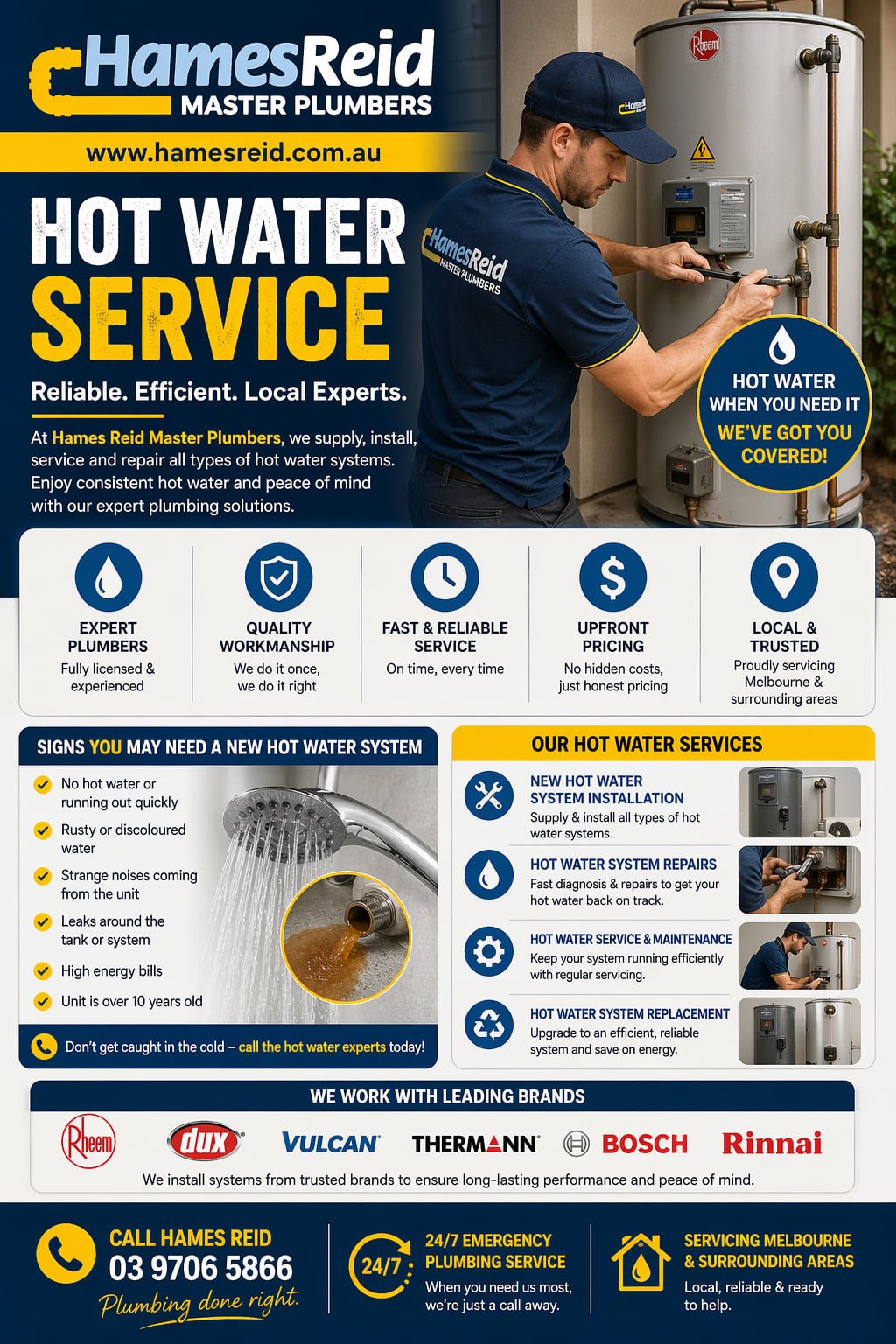
Hot Water Services
Questions and Answers: Common Questions About Hot Water Services in Australia
What is the most energy-efficient Hot Water Services for a typical Australian family?
Solar hot water systems combined with a backup electric or gas heater usually provide the best energy efficiency, especially in sunny regions. Heat pump water heaters also deliver high efficiency and are a good alternative where solar installation is impractical.
Do I need a permit to replace an existing Hot Water Services?
In most Australian states, replacing a Hot Water Services requires a permit, particularly for gas-powered units. Electric replacements may also need a permit if they involve new wiring. Always check with your local council before starting the project.
How often should I service my Hot Water Services?
A professional service at least once a year is recommended for all types of Hot Water Services. This helps identify early signs of wear, maintains efficiency, and ensures compliance with safety standards.
Can I install a solar hot water system on a flat-roofed house?
Yes, solar collectors can be mounted on flat roofs using angled racks or frames to optimise sun exposure. Proper sealing and waterproofing are essential to prevent leaks.
What are the main differences between a gas continuous flow system and an electric storage heater?
A gas continuous flow system heats water on demand, providing unlimited hot water without a large tank, while an electric storage heater keeps a set amount of water heated in a tank. Gas systems often have lower operating costs where gas is cheap, but they require ventilation and regular servicing. Electric storage heaters are simpler to install but may have higher electricity costs.
Conclusion: Your Path to a Successful Hot Water Services in Australia
Choosing the right Hot Water Services for your Australian home involves understanding local climate, regulations, and energy costs. By evaluating the different system types—electric storage, gas continuous flow, solar, and heat pump—you can match a solution to your household’s needs and budget. Remember to verify licensing, obtain necessary permits, and schedule regular maintenance to keep the system running safely and efficiently. With careful planning and the right provider, your Hot Water Services will deliver reliable comfort, lower energy bills, and peace of mind for years to come.