


Why Accreditation Matters in Australian Plumbing
In Australia, water plumbing is more than just fitting pipes and taps. The country’s climate, strict building codes, and growing focus on sustainability mean that every installation or repair can affect both the environment and the homeowner’s bills. An Accredited Contractor Water professional has met national and state standards that go beyond basic licensing. This extra layer of validation gives customers confidence that the work will meet the National Construction Code, the AS/NZS 3500 series, and local water-saving regulations. When a contractor is accredited, they are required to stay up-to-date with the latest techniques, tools, and environmental guidelines, which ultimately leads to higher quality outcomes and fewer costly re-works.
Key Benefits of Choosing an Accredited Contractor Water Service
Improved Efficiency
Accredited contractors use proven processes that cut down on time spent on site. They are trained to plan the job, source the right materials, and execute the work in a logical sequence. This reduces the chance of having to return for adjustments, saving both the homeowner and the contractor valuable time. In many Australian cities, traffic and remote locations can add hours to a job; an efficient contractor minimises these delays by using mobile scheduling apps and real-time inventory checks.
Regulatory Compliance
Compliance is a legal requirement, not an optional extra. The Accredited Contractor Water label shows that the plumber understands the NCC, the AS/NZS 3500 standards for water services, and state-specific licensing rules. This knowledge helps avoid penalties, ensures that insurance claims are honoured, and makes future property sales smoother. For example, in Queensland, water-efficient installations must meet the Queensland Development Code, while in Victoria they must align with the Building Regulations 2018. An accredited professional can navigate these nuances without a hitch.
Customer Trust and Safety
Homeowners are increasingly cautious about who works inside their homes. An accredited water contractor has been vetted by industry bodies and must adhere to a code of conduct that includes safety protocols, ethical pricing, and transparent communication. This builds trust and reduces the risk of hidden fees or unsafe practices. In Australia’s multicultural communities, clear communication and respect for cultural norms are also part of the accreditation standards, making the service experience smoother for everyone.
Australian Regulations and Standards for Water Plumbing
National Construction Code (NCC) and AS/NZS 3500
The NCC sets the baseline for all building work, while AS/NZS 3500 provides detailed technical requirements for water services. These documents cover pipe sizing, pressure testing, back-flow prevention, and material suitability. An Accredited Contractor Water professional must demonstrate competence in these areas through exams and practical assessments. Failure to comply can lead to building certifier refusals, which delay projects and increase costs.
State and Territory Licensing Requirements
Each Australian state and territory has its own licensing authority. In New South Wales, the Home Building Commissioner issues licences; in South Australia, it’s the Consumer and Business Services; in Western Australia, the Building Commission oversees plumbing licences. Accredited contractors often hold licences in multiple jurisdictions, allowing them to work across state borders without additional paperwork. This flexibility is valuable for owners who own holiday homes or investment properties in different parts of the country.
Environmental and Water Conservation Rules
Australia faces water scarcity in many regions, especially in the outback and during drought periods. Governments encourage the use of water-saving devices such as dual-flush toilets, low-flow showerheads, and rain-water harvesting systems. Accredited contractors are trained to install and certify these systems according to the Water Efficiency Labelling and Standards (WELS) scheme. By doing so, they help homeowners qualify for rebates and reduce long-term water bills.
How Accredited Contractor Water Professionals Operate
Training and Certification Process
The path to becoming an Accredited Contractor Water specialist begins with a trade qualification, such as a Certificate III in Plumbing. After gaining practical experience, the plumber must pass a series of assessments covering theory, safety, and hands-on skills. The accreditation body then issues a certificate that must be renewed every two years, with mandatory continuing professional development (CPD) hours focused on new regulations and emerging technologies.
Use of Modern Tools and Technology
Modern accredited contractors rely on digital tools to improve accuracy. Laser-guided pipe layout apps, pressure-testing equipment with data logging, and cloud-based project management platforms are common. These technologies help track compliance in real time, generate reports for building certifiers, and provide homeowners with clear documentation of the work performed.
Quality Assurance and Documentation
Every job completed by an accredited contractor includes a detailed handover package. This package contains as permits, test results, warranty information, and a compliance certificate signed by the contractor. Homeowners can keep these records for future renovations or when selling the property, ensuring that the water system remains compliant for years to come.
Choosing the Right Accredited Contractor Water Service in Your Area
- Check the licence number on the relevant state regulator’s website.
- Look for membership in industry bodies such as the Master Plumbers Association.
- Read local reviews on platforms like Productcom.au and Google Maps.
- Ask about warranty periods and after-care support.
- Confirm that the contractor can provide a written compliance certificate.
Common Challenges and How Accreditation Helps Overcome Them
Leak Detection and Prevention
Undetected leaks can waste thousands of litres of water each year. Accredited contractors use acoustic detection devices and thermal imaging cameras to locate hidden leaks quickly. Their training includes proper pipe joint techniques and the use of approved sealants, which reduces the likelihood of future failures.
Water Saving Installations
Installing water-efficient fixtures requires knowledge of flow rates, pressure settings, and local rebate eligibility. An Accredited Contractor Water specialist can design a system that meets WELS standards while ensuring adequate pressure for everyday use. This balance helps homeowners save water without sacrificing performance.
Compliance with New Building Amendments
Building codes are updated regularly to reflect climate change and new technology. Accredited contractors stay current through CPD courses, so they can adapt to amendments such as the 2023 NCC update that introduced stricter back-flow prevention requirements. Their proactive approach prevents costly retrofits later on.

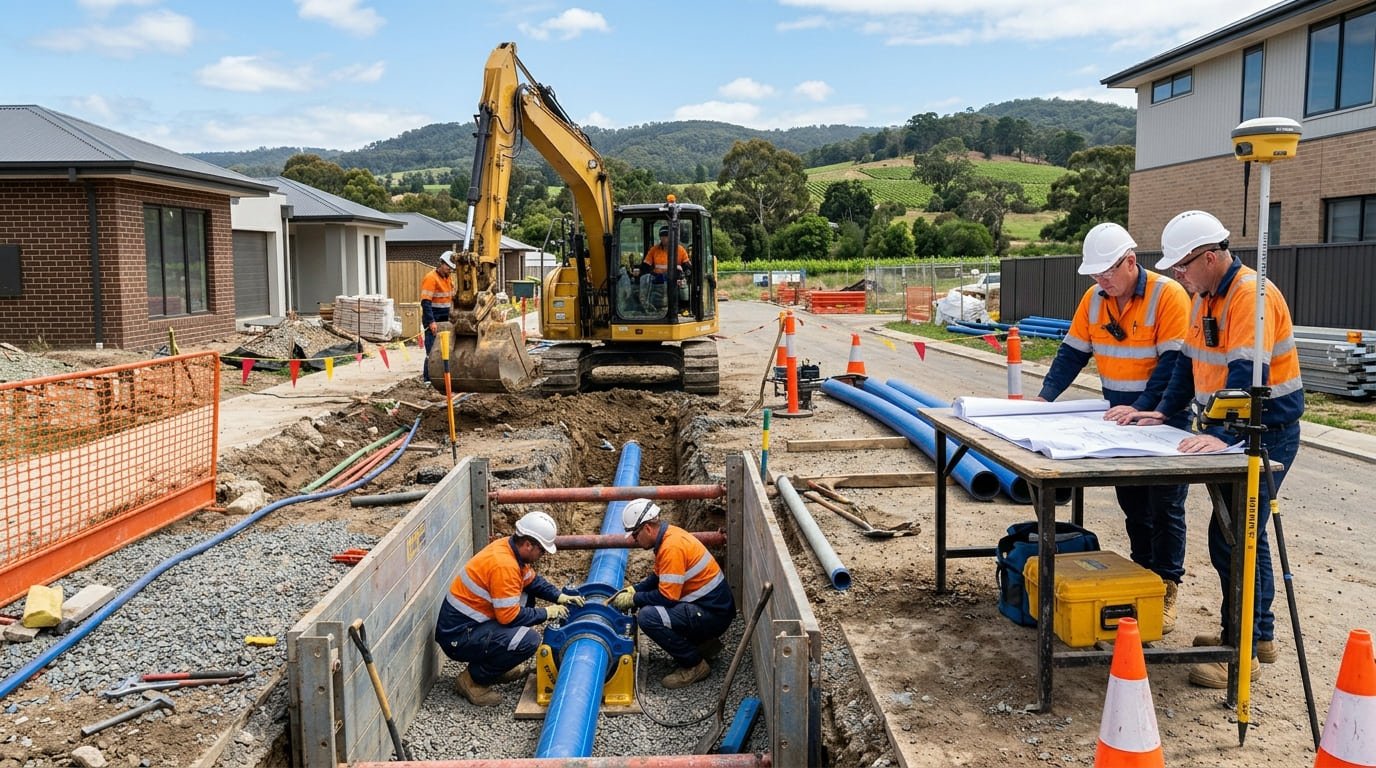
Accredited Contractor Yarra Valley Water
Questions and Answers: Common Questions About Accredited Contractor Water in Australia
Q: What does “Accredited Contractor Water” actually mean in Australia?
A: It means the plumber has completed additional training and certification beyond the basic trade licence. The accreditation confirms competence in national standards, state regulations, and water-conservation practices. It also requires regular renewal and continuing education.
Q: Do I need an accredited contractor for a simple faucet replacement?
A: For a straightforward faucet swap, a licensed plumber can do the job. However, if the replacement involves changes to the water supply line, back-flow protection, or compliance with local water-efficiency rules, hiring an Accredited Contractor Water professional ensures the work meets all relevant standards.
Q: How can I verify that a plumber is truly accredited?
A: You can check the contractor’s accreditation on the website of the issuing body, such as the Australian Plumbing Industry Council. Look for a licence number, accreditation certificate, and the date of the last renewal. You may also ask the contractor to provide a copy of their compliance certificate for recent jobs.
Q: What are the penalties for using an unaccredited contractor?
A: Using an unaccredited contractor can lead to non-compliant installations, which may be rejected by building certifiers. Homeowners could face fines, mandatory re-work, and difficulties when selling the property. In some states, insurance claims may be denied if the work was not performed by an accredited professional.
Q: Are there any government rebates for water-efficient upgrades done by accredited contractors?
A: Yes. Many state governments offer rebates for installing dual-flush toilets, rain-water tanks, and low-flow showerheads. To qualify, the work must be completed by an Accredited Contractor Water professional who can provide the required compliance documentation. Check the local council or state water authority website for the latest rebate programs.
Conclusion: Your Path to a Successful Accredited Contractor Water in Australia
Choosing an Accredited Contractor Water professional brings efficiency, compliance, and peace of mind to any plumbing project. By understanding the national and state regulations, recognising the benefits of modern tools, and verifying accreditation, homeowners can avoid costly mistakes and contribute to Australia’s water-conservation goals. Take the next step by checking licences, reading local reviews, and requesting a compliance certificate before any work begins. With the right accredited contractor, your home’s water system will be safe, efficient, and ready for the future.