How Awnings Provide Shade and Temperature Control
Sunlight can transform a space, but unmanaged heat quickly reduces comfort indoors and out. Awnings offer a practical way to balance light, shade, and airflow. By controlling exposure at key points of a building, they help regulate temperature, protect interiors, and create more usable spaces throughout the year.
As buildings become more energy-conscious and comfort-focused, controlling heat gain has moved beyond internal systems alone. External shading now plays a decisive role in managing temperature before solar heat enters a property. Awnings designed and supplied by Regal Awnings are engineered to intercept direct sunlight at vulnerable points such as windows and glazed doors, reducing overheating at source rather than relying on reactive cooling.
Instead of allowing heat to build up indoors, awnings work preventively. By limiting direct solar exposure across façades and outdoor thresholds, they help stabilise internal temperatures, reduce glare, and improve overall comfort. This article examines how awnings provide effective shade and temperature control, why correct positioning is critical, and how considered specification supports long-term thermal performance.
How sunlight affects indoor heat levels
Solar heat gain occurs when sunlight passes through glazing and is absorbed by internal surfaces, raising indoor temperatures. South- and west-facing elevations are particularly vulnerable, as they receive prolonged direct sunlight during the warmest parts of the day. Once heat enters a building, it can be difficult and energy-intensive to remove.
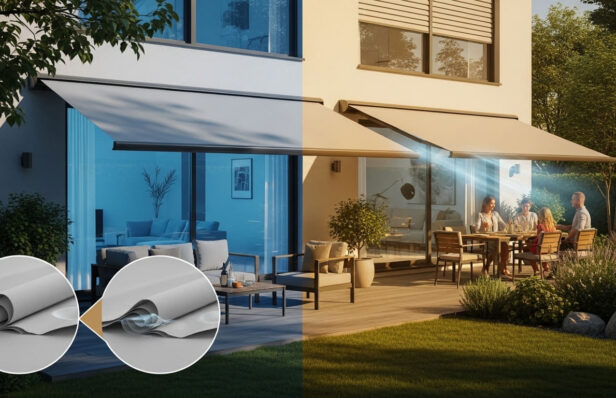
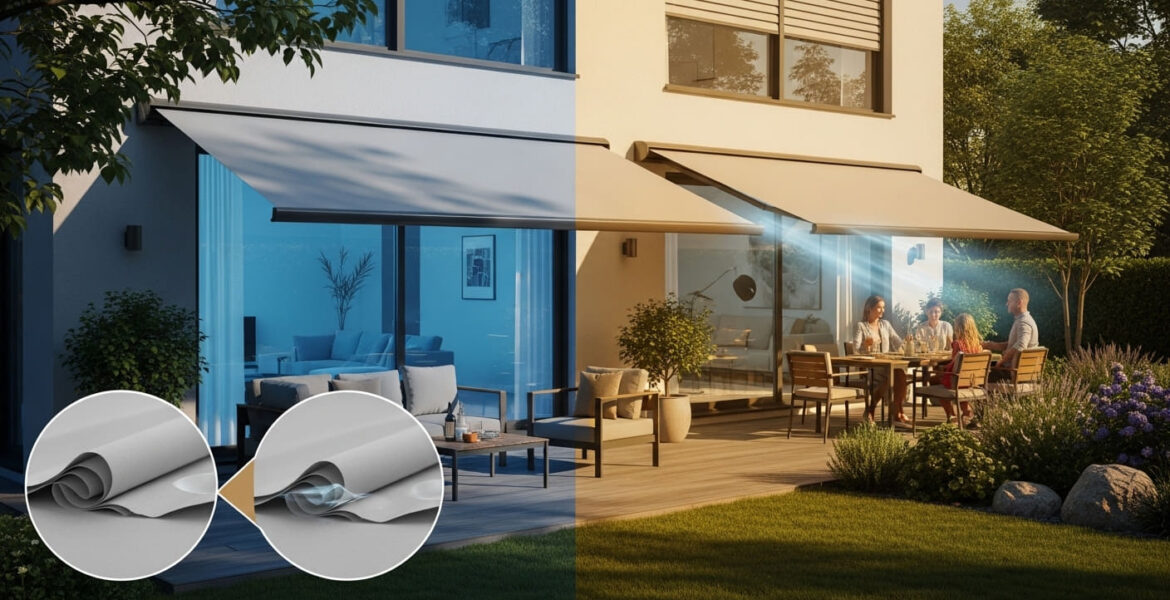
Awnings address this challenge at the source. Positioned externally, they block or filter sunlight before it reaches the glass. This distinction is critical. External shading is widely recognised as more effective than internal blinds or curtains because it prevents heat build-up rather than attempting to manage it after entry.
By controlling exposure during peak hours, awnings support more predictable internal temperatures and reduce reliance on mechanical cooling. Over time, this contributes to improved comfort and more efficient energy use.
External shading and its role in limiting direct sun exposure
The effectiveness of an awning lies in its ability to interrupt direct solar radiation while still allowing diffused light to enter. Fabric density, colour, and projection length all influence how much light and heat are filtered.
Modern awning materials are engineered to balance shade and visibility. They reduce glare and heat without plunging interiors into darkness. This makes rooms more usable throughout the day, particularly spaces that would otherwise become uncomfortably warm or overly bright.
Projection is equally important. A well-sized awning extends far enough to shield glazing during high sun angles while retracting or adjusting when shade is no longer required. This flexibility ensures that shading responds to changing conditions rather than remaining static.
Temperature regulation beyond the window
While windows are a primary focus, awnings also influence temperature control in adjacent outdoor areas. Shaded patios, balconies, and terraces experience lower surface temperatures, reducing the amount of heat radiating back toward the building envelope.
This secondary effect supports overall thermal comfort. Cooler external zones help limit heat transfer through walls and doors, particularly during prolonged warm periods. In practical terms, shaded outdoor areas remain usable for longer, and internal spaces benefit from reduced ambient heat.
By creating a transitional buffer between indoors and outdoors, awnings contribute to a more balanced thermal environment across the entire property.
The role of fabric and colour selection
Fabric choice plays a central role in temperature performance. High-quality awning fabrics are designed to reflect a significant proportion of solar energy while resisting UV degradation. This ensures consistent performance over time, even with regular exposure to strong sunlight.
Colour selection also matters. Lighter colours typically reflect more heat, while darker tones absorb it. However, modern technical fabrics mitigate this difference through advanced coatings and weaves. The result is greater freedom to align shading solutions with architectural style without compromising thermal performance.
Selecting fabrics with proven UV and heat-reflection properties ensures that awnings deliver both immediate comfort and long-term reliability.
Adjustable systems and responsive control
Fixed shading provides constant coverage, but adjustable awnings offer greater control over temperature throughout the day. Retractable and motorised systems allow users to respond to changing weather conditions, extending shade when the sun is strongest and retracting it to maximise daylight during cooler periods.
This adaptability is particularly valuable in climates with variable conditions. Automated controls, such as sun and wind sensors, further enhance performance by adjusting the awning position automatically. This ensures consistent shading without requiring manual intervention.
Responsive control transforms awnings from passive features into active contributors to thermal management.
Supporting energy efficiency indoors
By limiting heat gain at the building envelope, awnings reduce the demand placed on cooling systems. Lower internal temperatures mean air conditioning units operate less frequently and at reduced intensity, supporting energy efficiency objectives.
Even in properties without mechanical cooling, shading improves comfort by moderating peak temperatures and reducing the need for temporary solutions such as portable fans. Over time, these incremental improvements contribute to a more stable and comfortable indoor environment.
When integrated thoughtfully, awnings complement broader energy-efficient design strategies rather than acting as isolated additions.
Long-term comfort and material protection
Temperature control is not only about comfort. Excessive sunlight and heat can accelerate wear on interior finishes, furnishings, and flooring. By filtering UV exposure, awnings help protect internal materials from fading and degradation.
This protective function supports long-term maintenance goals and preserves the appearance of interior spaces. Reduced thermal stress on glazing and frames can also contribute to improved durability over time.
In this way, awnings deliver both immediate and lasting value, extending the lifespan of internal environments as well as enhancing daily comfort.
Choosing the right awning solution
Effective temperature control depends on correct specification. Factors such as orientation, window size, local climate, and intended use all influence the ideal awning configuration. Considering these elements early ensures that shading performs as intended rather than offering only visual appeal.
Working with experienced providers, such as Regal Awnings, allows property owners to align design choices with functional requirements. Professional guidance ensures that projection, fabric, and control options are selected to suit real-world conditions.
Conclusion
Awnings provide a practical and effective approach to managing shade and temperature at the building exterior. By intercepting sunlight before it enters a property, they reduce heat gain, moderate internal temperatures, and support more comfortable living and working environments. Their impact extends beyond windows, influencing adjacent outdoor spaces and contributing to overall thermal balance.
With thoughtful specification, appropriate fabric selection, and responsive control options, awnings become more than decorative features. They act as active elements within a wider comfort and energy strategy. Over time, this translates into improved usability of spaces, reduced strain on cooling systems, and greater protection for interior materials. For properties seeking a balanced, preventative approach to temperature control, awnings remain a reliable and adaptable solution.