


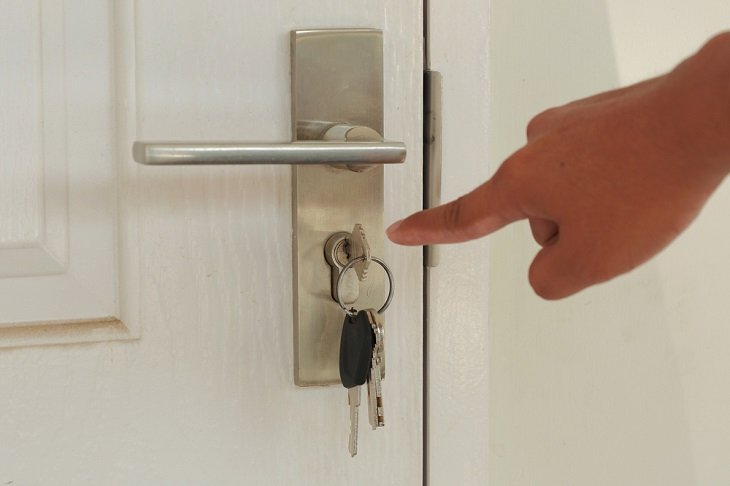
Have you ever wondered who still has keys to your office? What about that employee who left six months ago—did they return their keys? And when you moved into your current premises, did you think about who might have had access before you?
These are questions that keep many business owners up at night, and rightfully so. Office security isn’t just about protecting equipment and stock—it’s about safeguarding sensitive data, ensuring employee safety, and maintaining the trust of your clients. In today’s business environment, a security breach can cost far more than just stolen goods. It can damage your reputation and leave you facing serious compliance issues.
In this article, we’ll explore how rekeying locks offers a practical, cost-effective way to boost your office security. You’ll learn exactly what rekeying involves, when you should consider it, and how it compares to other security options. Whether you’re running a small business in Melbourne or managing a large corporate office in Sydney, understanding rekeying could be the key to better protecting your workplace. Let’s get stuck into it.
What Is Rekeying and How Does It Work?
Rekeying is the process of changing the internal workings of a lock so that old keys no longer work. A locksmith adjusts the pins inside the lock cylinder to match a new key. The lock itself stays in place—only the key configuration changes.
Think of it like changing the password on your computer. The computer remains the same, but anyone with the old password can’t get in anymore. It’s a straightforward process that makes your existing hardware work with completely new keys.
The Difference Between Rekeying and Replacing Locks
Many people confuse rekeying with lock replacement, but they’re quite different. Replacing locks means removing the entire lock mechanism and installing new hardware. Rekeying, on the other hand, keeps your existing locks and simply changes which keys operate them.
Lock replacement makes sense when your hardware is damaged, outdated, or you want to upgrade to a different style. Rekeying is ideal when your locks are in good condition but you need to restrict who has access. It’s faster, cheaper, and just as effective at keeping unwanted visitors out.
How Long Does It Take to Rekey a Lock?
A skilled commercial locksmith can typically rekey a standard lock in about 10-15 minutes. For an entire office with multiple entry points, you’re usually looking at a few hours rather than days. This means minimal disruption to your daily operations—something every business owner appreciates.
When Should You Rekey Your Office Locks?
Knowing when to rekey is just as important as understanding how it works. Several situations call for immediate action to protect your premises.
After Employee Turnover or Termination
Staff changes are a fact of business life. When employees leave—whether voluntarily or not—they often walk away with keys in their pockets. Even if they return them, copies might exist. Rekeying after significant staff changes eliminates this uncertainty entirely.
Following a Security Breach or Break-In
If your office has experienced a break-in or attempted entry, rekeying should be a priority. Even if the intruder didn’t use a key, the incident highlights vulnerabilities. Fresh keys and updated locks send a clear message that security has been tightened.
When Moving Into a New Commercial Premises
Moving into a new office is exciting, but here’s something to consider: you have no idea how many keys are floating around from previous tenants. Former employees, cleaning staff, contractors—any of them might still have access. Rekeying immediately after moving in gives you a clean slate.
Lost or Stolen Keys
It happens to everyone eventually. A key goes missing, and suddenly you’re wondering if it’s sitting harmlessly at the bottom of someone’s bag or in the hands of someone with bad intentions. When keys disappear, rekeying removes the risk entirely.


Rekeying Locks
Is Rekeying Locks Worth It for Businesses?
Absolutely. For most commercial situations, rekeying offers excellent value. Here’s why it makes financial sense.
Cost Savings Compared to Full Lock Replacement
Rekeying typically costs a fraction of what you’d pay for complete lock replacement. You’re paying for the locksmith’s time and new keys rather than new hardware. For businesses with multiple entry points, these savings add up quickly.
Minimising Downtime and Disruption
Time is money, especially in business. Rekeying is fast and doesn’t require structural work or major installations. Your team can continue working while the locksmith moves from door to door. Compare this to full lock replacement, which might mean doors being propped open or temporarily unusable.
Key Benefits of Rekeying for Office Security
Beyond the obvious advantage of keeping unwanted people out, rekeying offers several specific benefits for commercial properties.
Restricting Unauthorised Access
The primary benefit is straightforward: once you rekey, only people with new keys can enter. This gives you complete control over access to your premises. You know exactly who can get in and when.
Implementing Master Key Systems
Rekeying provides the perfect opportunity to set up a master key system. This allows different employees to access different areas while management holds keys that open everything. It’s an elegant way to manage access across various departments or security levels.
Maintaining Compliance with Workplace Safety Standards
Australian workplace safety regulations require businesses to provide secure environments for their employees. Proper access control through rekeying helps demonstrate your commitment to these standards. It’s not just good practice—it might be a legal requirement for your industry.
Can You Rekey a Lock Yourself, or Do You Need a Professional?
While DIY rekeying kits exist, commercial properties present unique challenges that typically require professional expertise.
Risks of DIY Rekeying for Commercial Properties
Commercial locks are often more complex than residential ones. Making mistakes can damage the lock mechanism or, worse, leave you thinking your office is secure when it actually isn’t. A faulty rekeying job might mean the lock can be easily picked or that old keys still work partially.
What to Look for in a Commercial Locksmith
Choose a licensed locksmith with specific experience in commercial properties. Check they’re fully insured and ask for references from other businesses. A reputable locksmith will provide a detailed quote upfront and guarantee their work.
How Much Does It Cost to Rekey Office Locks in Australia?
Costs vary depending on location, lock type, and the number of locks involved. Generally, expect to pay between $20-50 per lock for standard commercial rekeying locks melbourne. Complex high-security locks may cost more. Most locksmiths offer package deals for multiple locks, which brings down the per-lock price significantly.
Getting quotes from several locksmiths is always wise. Make sure quotes include all fees—some charge call-out fees or after-hours rates that can add up.
Rekeying vs Modern Security Upgrades: Which Is Right for Your Office?
Rekeying isn’t the only option for improving office security. Electronic access control, smart locks, and biometric systems offer advanced features that traditional locks can’t match.
However, these systems come with higher upfront costs and ongoing maintenance requirements. For many businesses, rekeying existing locks provides excellent security at a fraction of the price. It’s particularly suitable for smaller businesses or those looking for immediate security improvements without major investment.
Combining Rekeying with Access Control Systems
Here’s a smart approach: use rekeying for general office security while implementing electronic access control for high-security areas. This hybrid approach gives you the best of both worlds—cost-effective perimeter security with advanced protection where you need it most.
Taking the Next Step to Secure Your Workplace
Office security deserves serious attention, and rekeying locks offers a practical solution that works for businesses of all sizes. It’s cost-effective, quick to implement, and provides genuine peace of mind about who can access your premises.
Throughout this article, we’ve explored how rekeying works, when to consider it, and the benefits it brings to commercial security. From managing employee turnover to moving into new premises, rekeying addresses many common security concerns without breaking the budget or disrupting your operations.
Taking action on your office security doesn’t need to be complicated. Start by auditing your current key situation—who has access, and do they still need it? Then, reach out to a licensed commercial locksmith in your area for a professional assessment. Your business, your employees, and your clients all deserve the protection that proper access control provides. Why wait until something goes wrong when you can take control of your security today?