How to Anchor Waterproof Shade Sails for Wind and Storm Resistance
A peaceful afternoon in your Australian backyard, only for a sudden gust to rattle your outdoor setup. Waterproof shade sails add great value to home improvement projects by providing cover from rain and sun, but getting the anchoring right ensures they stand strong against winds and storms. In a land of unpredictable weather, from coastal breezes to inland squalls, proper installation keeps your sails secure and your space enjoyable. This guide walks you through anchoring waterproof shade sails, with tips tailored to Australian homes.
What Are Waterproof Shade Sails and Why Choose Them?
Waterproof shade sails are durable fabric covers that repel water while blocking UV rays, perfect for patios, decks, or garden areas. They differ from regular shades by having coatings that prevent leaks, making them ideal for rainy seasons. In home improvement, these sails expand living spaces without the need for full roofs, blending style with function.
Aussies appreciate outdoor time, so waterproof shade sails fit the lifestyle. They protect furniture from moisture and keep gatherings dry during showers. For homes in humid spots like Brisbane, the waterproof feature stops mold growth under the cover. Plus, they allow air to flow, avoiding stuffy feels on hot days.
Choosing waterproof shade sails means less upkeep. The fabric holds up to fading and tearing, supporting long-term home upgrades. In urban backyards or rural properties, they create shaded retreats that boost property appeal.
Benefits for Australian Homes
These sails shield against the harsh sun, reducing skin risks during barbecues or playtime. Waterproofing handles downpours common across the country, from Sydney’s summer storms to Melbourne’s winter rains. They also cut cooling costs by shading windows, a smart energy-saving move in home improvement plans.
The Importance of Anchoring for Wind and Storm Resistance
Anchoring secures waterproof shade sails to withstand Australia’s variable winds. Poor setup can lead to sagging or detachment, damaging your yard or nearby structures. Strong anchors distribute tension, keeping the sail taut and stable.
In wind-prone areas like the Great Ocean Road, sails face constant tests. Storms bring gusts that lift loose edges, but solid anchoring prevents this. For home improvement, reliable sails mean peace of mind—no worries about repairs after bad weather.
Regulations in Australia emphasize safety. Local councils require installations to meet wind load standards, ensuring sails don’t become hazards. Anchoring right complies with these rules, protecting your family and neighbors.
Waterproof shade sails perform best when anchored to handle both tension and flex. This setup lets them move with the wind instead of fighting it, extending their life in tough conditions.
Essential Materials and Tools for Anchoring
Gathering the right items makes anchoring waterproof shade sails straightforward. Focus on quality to match Australian weather demands.
- Turnbuckles and D-Shackles: These adjust tension and connect cables securely.
- Stainless Steel Cables: Rust-resistant for coastal humidity.
- Concrete Anchors or Ground Stakes: For fixed points in soil or slabs.
- Poles or Posts: Galvanized steel ones suit salty air.
- Fabric Clips: Snap onto edges for even pull.
Tools include a drill for holes, a level for straight lines, and wire cutters for adjustments. In home improvement stores across Australia, these basics are easy to find. For waterproof shade sails, ensure fittings match the fabric’s weight to avoid tears.
Preparing Your Site
Before starting, clear the area and check soil type. Clay soils in many regions hold anchors well, while sandy spots need deeper embeds. Measure your waterproof shade sails to plan attachment points, aiming for a slight slope to shed water.
Step-by-Step Guide to Anchoring Waterproof Shade Sails
Anchoring involves planning, setup, and testing. Follow these steps for wind and storm resistance in your home improvement project.
Step 1: Choose Anchor Points
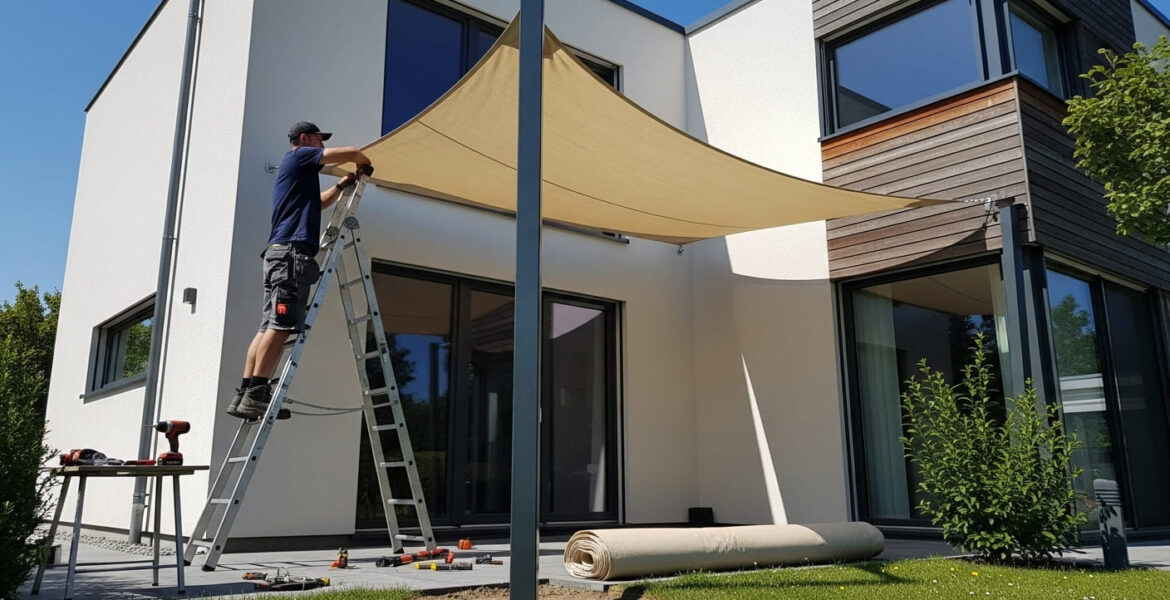
Select spots like walls, fences, or free-standing poles. In Australian homes, use existing structures to save space. Space points evenly—typically four corners for rectangular sails—to balance tension. For ground anchors, dig holes at least deep enough for stability in local winds.
Step 2: Install Poles and Foundations
If using poles, set them in concrete footings. Mix and pour around the base, letting it cure fully. In bushy areas, position away from trees to avoid root interference. This foundation supports waterproof shade sails during gales.
Step 3: Attach Cables and Hardware
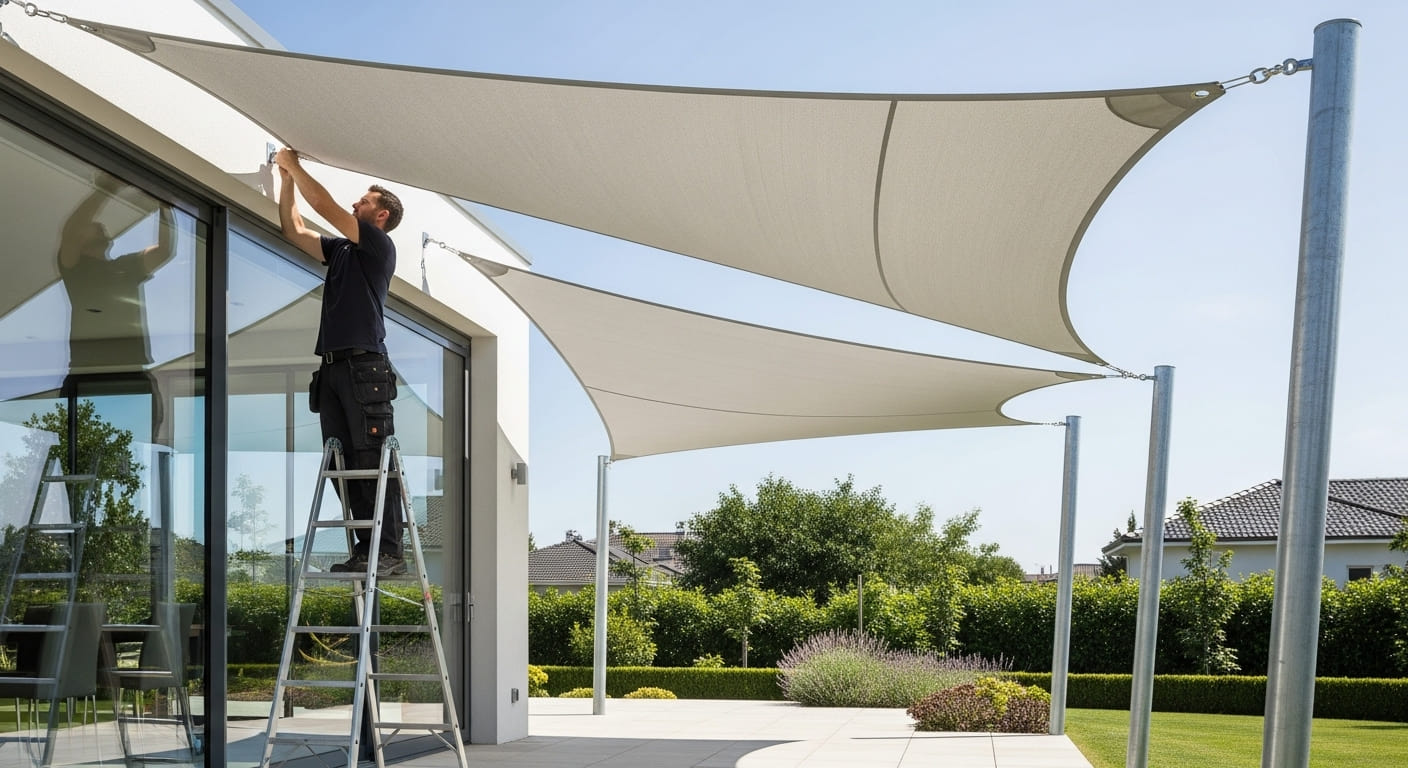
Run cables from sail edges to anchors using D-shackles. Thread turnbuckles to tighten gradually. Pull until the sail forms a smooth curve—no flat spots that catch wind. For waterproof shade sails, this tension seals edges against leaks.
Step 4: Test and Adjust
Give it a tug to check firmness. Simulate wind by shaking gently. In stormy seasons, recheck after events. Homeowners in Perth often do this before winter fronts.
Proper anchoring makes waterproof shade sails a durable home feature, ready for everyday use or unexpected weather.
Local Tips for Waterproof Shade Sails in Australia
Australia’s regions shape how you anchor waterproof shade sails. In Queensland’s tropics, focus on corrosion-resistant materials for humidity. Southern states like Victoria deal with cold snaps, so flexible cables prevent cracking.
Local rules vary. New South Wales councils mandate engineer stamps for larger sails over public views. In Western Australia, coastal zones require extra rust-proofing under marine guidelines. These steps ensure your home improvement stays legal.
Examples show success: A Sydney family anchored sails to a deck, surviving a hailstorm unscathed. In Adelaide, sails over a pool area used ground stakes to handle hot northerlies. Cultural notes include using sails for Aussie barbecues, providing dry spots for chats.
Providers offer kits suited to local needs, while others compete with custom fabrics. Always pick UV-rated waterproof shade sails for the ozone layer’s impact down under.
Maintenance involves rinsing salt or dust buildup. In fire areas, choose non-flammable types to meet rural fire service advice.
- Coastal Anchoring: Deeper embeds for shifting sands.
- Urban Setup: Wall mounts to fit tight yards.
- Rural Options: Heavy-duty stakes for open spaces.
These adaptations make waterproof shade sails versatile for diverse Australian homes.
Waterproof Shade Sails
Questions and Answers: Common Questions About Waterproof Shade Sails in Australia
Q: Do I need council approval for anchoring waterproof shade sails in my backyard?
Ans: Yes, in many areas like Brisbane, sails over a certain span require a development application. Submit sketches showing anchors to your local council—they guide on wind zones to keep things safe.
Q: How do waterproof shade sails hold up in high winds along the east coast?
Ans: They stay secure with proper tension and deep anchors. The fabric’s weave lets wind pass through, reducing lift, so setups in places like the Gold Coast endure tropical gusts without issues.
Q: What materials work best for anchoring waterproof shade sails in salty air near Perth?
Ans: Stainless steel cables and galvanized posts resist corrosion. These choices prevent rust from ocean spray, ensuring your home improvement lasts in Western Australia’s coastal climate.
Q: Can anchoring waterproof shade sails affect my home’s drainage?
Ans: It can improve it if sloped right—water runs off into garden beds. In rainy spots like Tasmania, direct flow away from foundations to avoid pooling around your house.
Q: How often should I inspect anchors for waterproof shade sails after storms in NSW?
Ans: Check right after big events and every few months. Look for loose fittings or wear—quick fixes keep them storm-ready in variable eastern weather.
Conclusion: Your Path to a Successful Waterproof Shade Sails in Australia
Anchoring waterproof shade sails correctly builds resistance to winds and storms, turning them into a solid home improvement choice. From selecting rust-proof materials to testing tension, these steps protect your outdoor areas while complying with local rules. In Australia’s mix of sun, rain, and gales, well-anchored sails enhance comfort and value.