How to Choose the Best Water Pumps for Home, Farm, or Business
Are you tired of dealing with low water pressure in your shower? Perhaps you’re struggling to keep your crops irrigated during the dry season? Or maybe your business needs a reliable pumping solution that won’t let you down when it matters most?
Choosing the right water pump can feel overwhelming. With so many options available, from centrifugal to submersible, solar powered to petrol driven, it’s easy to get lost in the technical jargon. But here’s the thing: selecting the perfect pump doesn’t have to be complicated. Whether you’re a homeowner wanting better water flow, a farmer managing irrigation, or a business owner needing highvolume solutions, understanding the basics will help you make a smart decision.
In this guide, we’ll break down everything you need to know about water pumps. You’ll discover the different types available, learn how to match a pump to your specific needs, and pick up tips to avoid common problems. By the end, you’ll feel confident walking into any hardware store or chatting with a supplier. So, let’s get stuck into it!
Understanding Water Pumps Basics
What Is a Water Pumps and How Does It Work?
A water pumps are essentially a mechanical device that moves water from one place to another. It works by creating pressure differences that force water through pipes and hoses. Think of it like your heart pumping blood through your body except instead of blood, it’s moving water where you need it.
Most pumps use either a motor or engine to power an impeller or piston. This movement creates suction that draws water in and then pushes it out with force. The stronger the pump, the more water it can move and the higher it can push that water.
Key Components of a Water Pumps System
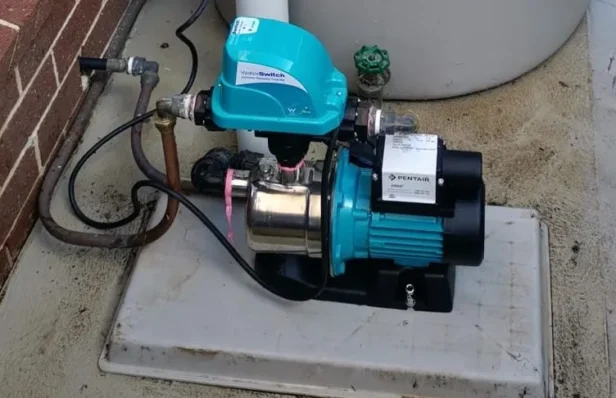
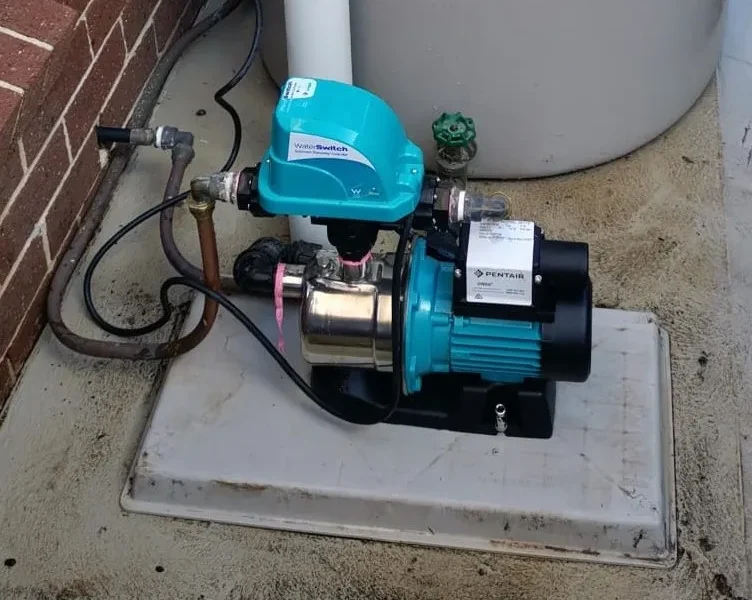
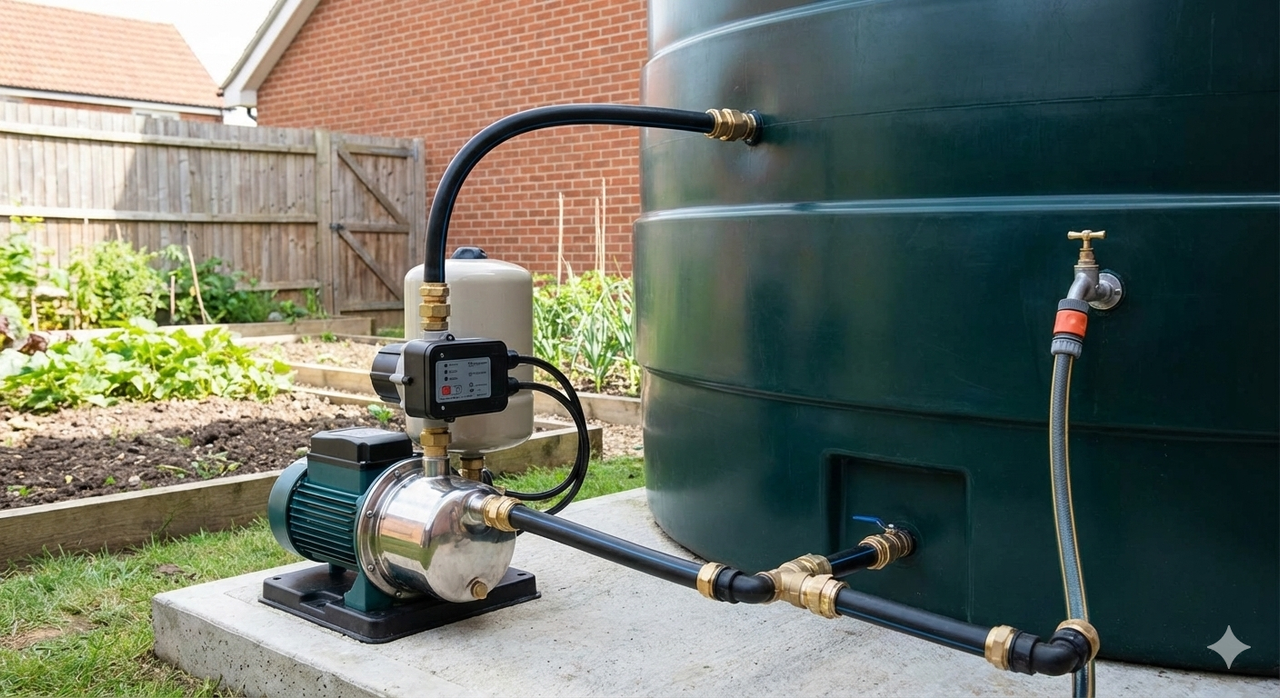
Every water pumps system includes several essential parts. The motor provides power, while the impeller or mechanism creates the actual water movement. You’ll also find inlet and outlet ports, a housing unit, and often a pressure tank or controller. Understanding these components helps when troubleshooting issues or discussing requirements with suppliers.
Types of Water Pumps Explained
Centrifugal Pumps
Centrifugal pumps are the workhorses of the pumping world. They use a spinning impeller to create centrifugal force, pushing water outward and through the discharge pipe. These pumps are brilliant for moving large volumes of water quickly and work best when the water source is at or above pump level.
Submersible Pumps
As the name suggests, submersible pumps sit underwater, typically at the bottom of a bore, well, or tank. They’re sealed units that push water up rather than pulling it. This makes them incredibly efficient for deep water sources and eliminates priming issues altogether.
Jet Pumps and Booster Pumps
Jet pumps use suction to draw water from shallow wells or tanks, making them popular for domestic applications. Booster pumps, on the other hand, increase existing water pressure in your system. If your mains pressure is weak, a booster pump can transform your shower experience.
Solar-Powered Water Pumps
For rural properties and environmentally conscious users, solar-powered pumps offer an excellent alternative. They run on renewable energy, reducing running costs significantly. Plus, they’re perfect for remote locations without reliable electricity access.
Which Type of Water Pumps Is Best for Domestic Use?
For most Australian homes, a jet pump or small submersible pump works wonderfully. If you’re connected to mains water but struggling with pressure, a booster pump is your best mate. Rainwater tank users typically benefit from a pressure pump that automatically activates when you turn on a tap.
Choosing a Water Pumps for Your Home
What Size Water Pump Do I Need for My House?
Sizing your pump correctly is crucial. Too small, and you’ll have inadequate pressure. Too large, and you’re wasting money and energy. Consider how many outlets might run simultaneously bathroom, kitchen, garden hose and calculate your required flow rate accordingly.
A typical three-bedroom home usually needs a pump delivering around 60-80 litres per minute. However, larger homes with multiple bathrooms may require higher capacity. Always check the pump’s specifications against your household’s peak demand.
Best Water Pumps for Rainwater Tank Systems
Rainwater tank pumps need to handle variable water levels and potential sediment. Look for pumps with automatic pressure controllers and dry run protection. This prevents damage when your tank runs low during drought conditions something we’re all too familiar with in Australia.
Pressure Pumps for Improved Water Flow
If weak water pressure is driving you mad, a quality pressure pump can make all the difference. These units maintain consistent pressure throughout your home, ensuring strong flow even when multiple taps are running. Many modern units feature variable speed technology, adjusting output to match demand and saving energy.
Selecting Water Pumps for Farms and Agricultural Use
Irrigation Pump Requirements
Farm irrigation demands pumps that can move serious volumes over long distances. Flow rate, head pressure, and duty cycle all matter here. You’ll need to consider your irrigation method drip systems require different specifications than spray systems.
For large-scale operations, centrifugal pumps powered by diesel or three-phase electricity often deliver the best results. Calculate your total irrigated area and water requirements before shopping.
Bore Pumps for Rural Properties
Many rural Australian properties rely on bore water. Submersible bore pumps are specifically designed for these applications, sitting deep underground and pushing water to the surface. Depth, bore diameter, and required flow rate determine which pump suits your situation.
How Do I Choose a Pump for My Farm Dam?
Farm dam pumps need to handle water that may contain debris, algae, or sediment. Look for pumps with larger inlet screens and robust construction. Centrifugal trash pumps or purpose-built dam pumps handle these conditions without constant clogging.
Water Pumps for Commercial and Industrial Applications
High-Volume Pumping Solutions
Commercial operations often require industrial grade water pumps capable of continuous operation. These units feature heavy-duty motors, corrosion resistant materials, and higher flow rates. Consider redundancy too having backup capacity prevents costly downtime.
Transfer Pumps for Business Operations
Transfer pumps move liquids between containers or locations. They’re common in manufacturing, hospitality, and agriculture. Match the pump material to whatever liquid you’re transferring, as some chemicals require specific housing materials.
Key Factors to Consider Before Buying
Flow Rate and Pressure Requirements
Flow rate (measured in litres per minute) and head pressure (measured in metres) are your two most important specifications. Flow rate tells you how much water moves; head pressure indicates how high or far it can push that water.
Power Source: Electric, Petrol, or Solar?
Your location and application determine the ideal power source. Electric pumps suit most homes and businesses with reliable power. Petrol pumps offer portability and independence from the grid. Solar pumps provide ongoing savings for suitable applications.
What Is the Difference Between a Pressure Pump and a Transfer Pump?
Pressure pumps maintain consistent pressure in your system, automatically activating when demand occurs. Transfer pumps simply move water from point A to point B without pressure regulation. Choose based on your specific application needs.
Durability, Efficiency, and Running Costs
Quality pumps cost more upfront but save money long-term through reliability and energy efficiency. Look for reputable brands, appropriate materials for your application, and energy ratings. A pump running daily quickly adds to your electricity bill, so efficiency matters.
Common Water Pumps Problems and How to Avoid Them
Why Does My Water Pump Keep Losing Pressure?
Pressure loss typically stems from air leaks, worn seals, blocked filters, or failing pressure switches. Regular inspection catches these issues early. Also check for leaks in your pipework even small drips reduce system pressure.
Maintenance Tips for Longevity
Clean inlet filters regularly, check for unusual noises or vibrations, and address small issues before they become expensive repairs. Annual professional servicing keeps your pump running efficiently for years.
Top Water Pumps Brands Available in Australia
Australian suppliers stock quality brands including Davey, Grundfos, Onga, and Bianco. Each offers different strengths—Davey excels in domestic applications, while Grundfos leads in commercial solutions. Research warranty conditions and local service availability before purchasing.
Making the Right Choice for Your Needs
Selecting the perfect water pumps comes down to understanding your specific requirements. Consider your water source, required flow rate, pressure needs, and power availability. Don’t forget about ongoing costs—energy consumption and maintenance requirements affect long term value
Take time to assess your situation properly rather than grabbing the cheapest option. A quality pump matched to your needs will serve you reliably for years, while an ill-suited choice leads to frustration and additional expense.
Whether you’re improving your home’s water pressure, setting up farm irrigation, or equipping a commercial operation, the right pump makes everything easier. Chat with knowledgeable suppliers, ask questions, and don’t hesitate to invest in quality. Your future self will thank you every time you turn on that tap or watch your irrigation system run flawlessly.