How to Choose the Right Pool Pump for Your Swimming Pool
Selecting the right pool pump is essential for maintaining a clean, efficient, and energy-efficient swimming pool. Learn how to make the best choice for your needs and budget.
When it comes to maintaining a swimming pool, a reliable pump is your best friend. Pool pumps play a pivotal role in ensuring your water circulates efficiently, keeping it clean and clear. Selecting the right one can be overwhelming, given the variety of options available. This guide will help you understand the key factors to consider when choosing swimming pool pumps, ensuring you pick the best one for your needs.
What Does a Pool Pump Do, and Why Is It Essential?
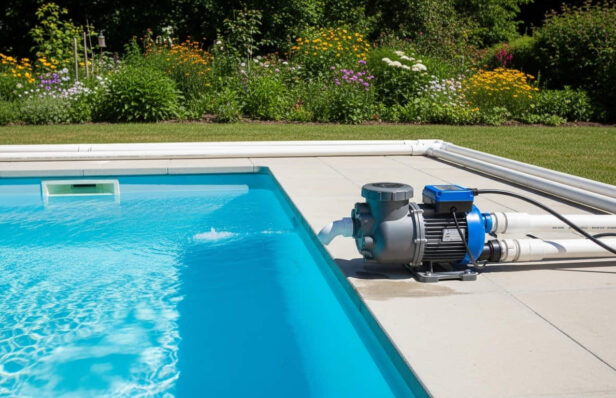
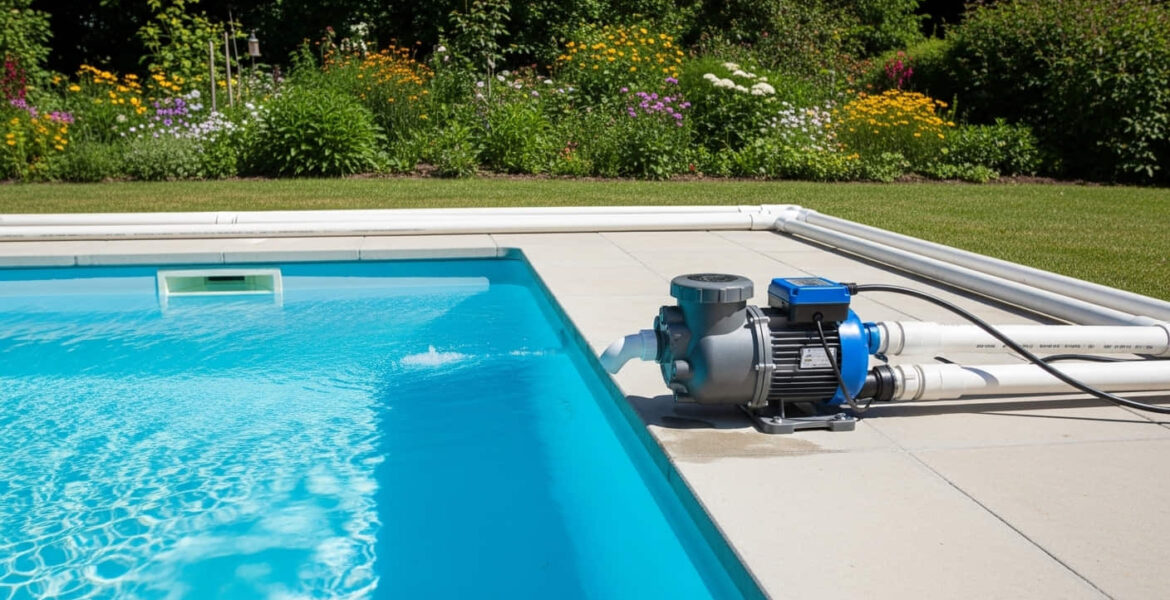
A pool pump is a vital component in your swimming pool’s filtration system. Its primary function is to circulate water through the filter, helping to remove debris, dirt, and contaminants, while ensuring the water remains clean and clear. Without a good pool pump, your pool could become a breeding ground for bacteria, algae, and debris, leading to health hazards and poor water quality.
In simple terms, swimming pool pumps act like the heart of your pool system, keeping everything flowing smoothly.
Key Factors to Consider When Choosing Swimming Pool Pumps
1. Pump Size and Pool Size
One of the most important factors to consider when selecting a pool pump is the size of your pool. A pump that is too small will struggle to circulate the water effectively, while a pump that is too large can waste energy and lead to unnecessary wear. The general rule is that your pump should be able to filter all the water in your pool at least once every 8 hours.
To determine the appropriate pump size, calculate the volume of your pool in gallons and consult the manufacturer’s recommendations for pool pumps based on the size and type of pool.
2. Energy Efficiency
Energy-efficient swimming pool pumps can help reduce your long-term costs. Although these pumps may come with a higher upfront cost, their energy savings can quickly make up for it. Look for pumps with energy-saving features such as variable-speed motors, which allow you to adjust the pump speed based on the pool’s filtration needs.
By running your pump at a lower speed during off-peak hours, you can save money on electricity while still maintaining proper water circulation. It’s an investment that pays off over time.
3. Pump Type
There are three primary types of swimming pool pumps:
- Single-Speed Pumps: These pumps run at one constant speed and are typically the least expensive option. However, they are also less energy-efficient.
- Two-Speed Pumps: As the name suggests, two-speed pumps offer two settings: one for regular filtration and one for cleaning and other high-demand tasks. They offer better energy efficiency than single-speed pumps.
- Variable-Speed Pumps: The most energy-efficient option, these pumps allow you to adjust the speed of the motor based on your pool’s needs. Although more expensive, they provide significant energy savings over time, making them a top choice for homeowners looking to reduce operating costs.
4. Pump Motor
The motor of your pool pump directly impacts its performance and lifespan. When choosing a swimming pool pump, consider the type and power of the motor. A more powerful motor can push water through the system faster, but it can also lead to higher energy consumption. You’ll want to balance the motor’s horsepower with the size of your pool.
- 1/2 to 3/4 horsepower (HP)is ideal for smaller pools.
- 1 HP is generally sufficient for medium-sized pools.
- 5 to 2 HP motors are typically used for large or in-ground pools.
5. Noise Level
Some pool pumps can be quite noisy, which might be a concern if your pool is located near your living area. Variable-speed pumps tend to operate much more quietly compared to single-speed pumps. If noise is an issue for you, consider opting for a quieter pump model to maintain peace and tranquility in your backyard.
Top Tips for Choosing the Right Pool Pump
- Know Your Pool’s Volume: Before making any purchase, measure your pool’s size in gallons to ensure you choose a pump that can handle the load.
- Invest in Energy Efficiency: Consider opting for a variable-speed pump, as it offers the best energy efficiency, leading to savings on your electricity bill.
- Understand the Motor Power: Match the pump motor’s power to the size of your pool to avoid underperformance or unnecessary power consumption.
- Opt for a Quiet Pump: Choose a pump that operates quietly, especially if your pool is close to your living area, ensuring you don’t disturb the peace.
- Don’t Skip Professional Installation: While it may seem tempting to install the pump yourself, hiring a professional ensures the job is done correctly, helping you avoid costly mistakes and potential damage.
Conclusion
Choosing the right swimming pool pump is essential for ensuring your pool stays clean, efficient, and cost-effective. By considering factors such as pool size, motor power, energy efficiency, and noise levels, you can select the ideal pump that meets both your budget and performance needs. A well-chosen pool pump will not only extend the lifespan of your pool but also save you money on energy bills and maintenance costs over time.