


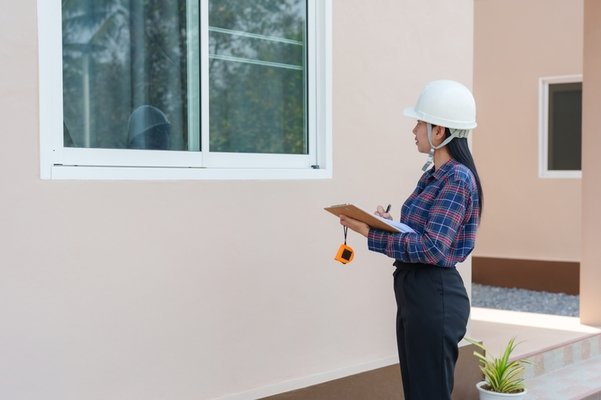
What is a practical completion inspection in Brisbane?
A practical completion inspection is the final walk‑through that confirms a new build or major renovation is ready to be handed over. In Brisbane, it marks the moment the builder declares the work finished and the defect liability period starts. From what I’ve seen, the inspection focuses on quality, safety, and compliance with the contract. It’s not a casual glance – it’s a detailed review that protects the homeowner from hidden problems.
- It happens after the builder finishes all trades.
- It triggers the start of the statutory warranty period in Queensland.
- It’s the last chance to catch issues before the builder closes out the job.
Timing & why it matters —
Plan the practical completion inspection about two to three weeks before the scheduled handover. That window gives the builder time to fix any snag you you identify. In Brisbane’s subtropical climate moisture can affect timber and plaster so a timely inspection helps spot water‑related defects early. The timing also lines up with the final occupancy certificate process which local be delayed if major issues are found.
- Schedule the inspection after the final trades have signed off.
- Allow a buffer for remedial work before the defect liability period expires.
- Coordinate with the mortgage lender if a settlement is pending.
Key steps before the inspection
Before the practical completion inspection, do a bit of homework.Like, gather the original contract, any variation orders, and the builder’s warranties. Review the building plans to know where services are routed and where structural elements sit. In Brisbane, many homes have raised floors & outdoor living areas, so check those spaces for proper drainage and flashing.
- Ask the builder for a pre‑inspection walk‑through to flag obvious issues.
- Arrange for a licensed building surveyor if you want an independent opinion.
- Prepare a notebook or tablet for notes and photos.
Practical completion checklist for Brisbane homes
Here’s a practical completion checklist that covers the most common items in Brisbane’s residential builds. The list is grouped by building zones so you can move room‑by‑room without missing anything.
- External envelope
- Roof – check for missing tiles, proper flashing around roof vents, and adequate ventilation.
- Gutters and downpipes – ensure they’re clear of debris and securely attached.
- External walls – look for cracks, paint defects, and proper sealant around windows.
- doors envelope
- Doors & windows – test opening, closing, locks, and seals for drafts.
- Balconies and decks – verify that the concrete finish is even & that expansion joints are intact.
- Sub‑floor – inspect for signs of moisture or termite damage, especially in older Queensland homes.
- Internal finishes
- Walls and ceilings – look for paint runs, plaster cracks, and correct corner angles.
- Flooring – check for squeaks, proper alignment, and any gaps at door thresholds.
- Joinery – confirm that skirtings, architraves, and built‑in wardrobes are securely fixed.
- Services
- Plumbing – run all taps, flush toilets, and check for leaks under sinks.
- Electrical – test light switches, power points, and smoke alarms.
- HVAC – verify that the split system or ducted unit cools and heats as expected.
- Compliance & documentation
- Make sure the builder has supplied the final occupancy certificate.
- Collect warranties for appliances, roofing, and structural work.
- Ask for a signed practical completion checklist from the builder.
Choosing who does the practical completion inspection…
Homeowners can let the builder lead the walkthrough, but an independent practical completion inspection gives stronger protection. In Brisbane, many licensed building surveyors are members of the Queensland Building and Construction Commission (QBCC) and carry professional indemnity insurance. Their reports carry weight if a dispute reaches NCAT.
- Builder‑led inspection – quick, but may miss minor defects.
- Independent building surveyor – thorough unbiased and can produce a detailed snag list.
- DIY checklist – useful for small renovations, but risk of overlooking hidden issues.
Documenting defects and getting them fixed
When you spot a problem during the practical completion inspection document it right away. Take clear photos from multiple angles and note the exact location. brisbane moisture‑related defects often appear as staining on plaster near external walls so capture those details.
- Classify each defect as major (affects livability) or minor (cosmetic).
- Submit a written defect notice to the builder within the defect liability period.
- Agree on a remediation timeline and request a follow‑up inspection.
Case study: How a Brisbane homeowner avoided a costly snag
Sarah bought a brand‑new townhouse in West End & scheduled her practical completion inspection three weeks before settlement — During the walkthrough the independent building surveyor noticed a small crack in the external wall near the balcony railing a sign of possible water ingress. The surveyor photographed the area recorded it in a snag list and handed the list to the builder. The builder promptly repaired the flashing resealed the joint and provided a photo‑evidence report. Because Sarah had the defect notice in writing before the 12‑month liability period started the repair was completed without dispute and her lender released the final settlement on time — The practical completion inspection saved her from future water damage and a costly insurance claim.
Comparison of inspection options
| Option | Who performs it | Typical coverage | Pros | Cons |
|---|---|---|---|---|
| Builder‑led practical completion inspection | Builder’s site supervisor | Basic visual check, contractor sign‑off | Fast, no extra cost | May miss minor defects, less impartial |
| Independent building surveyor inspection | Licensed building surveyor (QBCC accredited) | Full checklist, photographic evidence, defect classification | Unbiased, strong legal standing | Requires hiring a professional |
| DIY practical completion checklist | Homeowner | Self‑guided walk‑through using a printed list | Cost‑effective, good for small projects | Higher risk of overlooking hidden issues |
Frequently asked questions
Q: When should I arrange a practical completion inspection in Brisbane?
A: Ideally two to three weeks before the handover date, giving the builder time to address any snag items.
Q: Do I need a licensed inspector for a practical completion inspection?
A: Not legally required, but an independent, QBCC‑licensed building surveyor provides a report that holds up in disputes.
Q: What documents should I bring to the practical completion inspection?
A: The contract, any variation orders, warranties, and the builder’s provisional occupancy certificate.
Q: How long does a practical completion inspection usually take?
A: For a typical Brisbane family home, expect a half‑day walk‑through plus time for notes & photos.
Q: What happens if major defects are found after the practical completion inspection?
A: The homeowner issues a defect notice, the builder must fix the issues within the defect liability period, and the homeowner can seek NCAT resolution if needed.
Final thoughts on practical completion inspection in Brisbane
Doing a thorough practical completion inspection protects your investment and ensures the home is ready for everyday living. Brisbane’s climate with its heat and occasional heavy rain makes attention to roof flashing and drainage critical — You know? use the checklist consider an independent qualified surveyor and keep solid documentation — That way when the final occupancy certificate arrives you’ll have peace of mind that the builder has delivered what was promised.