


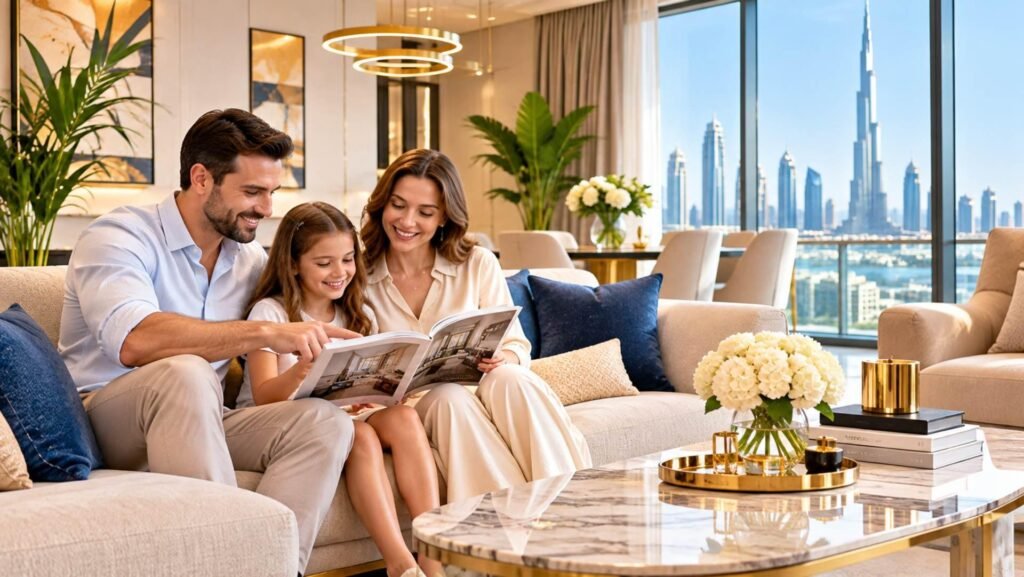
Moving to the United Arab Emirates is an exciting opportunity, but settling into a new home can take time. Beyond arranging paperwork, finding suitable accommodation and adjusting to a different lifestyle, expats often face the challenge of making an unfamiliar property feel comfortable and personal. Thoughtful interior choices can make this transition easier.
Whether moving into a Dubai apartment or a spacious villa, creating a welcoming environment requires careful planning. Working with an interior design company in Dubai can help expats develop living spaces that reflect their preferences while considering the UAE’s climate, property layouts and practical requirements.
Get to Know Your New Space Before Decorating
Every property has its own layout, lighting conditions and storage limitations. Before purchasing furniture or planning decorative changes, spend time understanding how the available space functions.
Apartments in Dubai may feature open-plan living areas, large windows and integrated kitchens. Villas can offer additional rooms, outdoor areas and more opportunities for personalisation. However, greater space also requires thoughtful furniture arrangements and consistent design choices.
Consider how natural light enters each room, where furniture will fit comfortably and which areas need additional storage. Measuring doorways, walls and floor space before ordering large items can prevent expensive mistakes.
For rented accommodation, review the tenancy agreement before making alterations. Painting walls, installing fixtures or changing flooring may require written permission from the landlord or building management.
Bring Familiar Elements Into Your New Home
Personal belongings can provide a sense of familiarity during relocation. Photographs, artwork, favourite books and meaningful decorative items help connect a new environment with previous experiences.
Rather than filling every room immediately, start with belongings that hold personal value. These objects can influence the colour palette, furniture style and overall atmosphere. Textiles are another effective way to introduce warmth and character. Cushions, curtains, rugs and throws can soften modern interiors without requiring permanent changes.
Expats should also consider how their lifestyle influences decoration. A household that frequently entertains guests may prioritise comfortable seating, while someone working remotely might need a quiet, organised workspace.
The aim is to create a home that supports everyday routines while maintaining a connection to personal tastes and traditions.
Choose Materials That Suit the UAE Climate
The UAE’s hot climate and strong sunlight influence interior design decisions. Materials that perform well elsewhere may require additional consideration in homes exposed to intense daylight and changing indoor humidity.
Furniture positioned near windows can experience prolonged sunlight exposure, potentially affecting fabrics, timber finishes and decorative surfaces. UV-resistant materials and suitable window coverings can help reduce these effects. Light-coloured furnishings may create an airy appearance, although durability and maintenance should remain priorities. Air conditioning also affects indoor comfort. Furniture should not obstruct ventilation outlets, and curtains should allow cooling systems to function efficiently.
In coastal locations, humidity can influence certain materials. Choosing suitable finishes and following manufacturers’ maintenance recommendations can help preserve furniture and interior surfaces.
Create a Comfortable and Functional Layout
An attractive home should also be practical. Furniture placement, movement between rooms and everyday accessibility deserve as much attention as decorative details.
Before arranging furniture, identify the main purpose of each room. Living areas should accommodate relaxation and social activities, while bedrooms need comfortable sleeping arrangements and sufficient storage.
A few practical steps can improve the overall layout:
Prioritise essential furniture: Purchase beds, seating and dining furniture before decorative accessories.
Maintain clear walkways: Avoid arrangements that restrict movement or access to doors.
Use flexible storage: Choose cabinets, shelving and multifunctional furniture suited to available space.
Plan lighting carefully: Combine general lighting with task lighting for reading, working and cooking.
Consider future changes: Select furniture that can adapt if household requirements or accommodation change.
These decisions can make daily life more convenient while reducing unnecessary purchases.
Know When Professional Interior Design Support Is Useful
Some expats prefer decorating independently, while others require assistance with space planning, furniture selection or larger renovation projects. Consulting an interior design company in Dubai may be useful when furnishing an entire property, redesigning existing rooms or coordinating several elements of a residential interior.
Professional designers can help assess room proportions, develop coordinated colour schemes and identify materials appropriate for the property. Depending on the agreed scope, services may also involve technical drawings, furniture procurement and coordination with fit-out contractors.
Before appointing a professional, establish a realistic budget and explain your priorities clearly. Ask what services are included, whether construction work is managed separately and how changes to the original design are handled. For substantial alterations, confirm which permissions are required from landlords, developers or relevant authorities. Approval requirements depend on the property and the proposed work.
Balance Local Influences With Personal Style
Living in the UAE provides opportunities to appreciate regional design traditions while maintaining individual preferences. Arabic geometric patterns, textured finishes, decorative screens and carefully selected lighting can introduce local character without overwhelming the interior.
However, incorporating regional influences does not mean abandoning familiar design styles. Contemporary, minimalist and traditional furnishings can work alongside carefully chosen decorative details. Focus on consistency rather than following a particular trend. Complementary colours, balanced proportions and suitable materials can help different design influences work together.
It is also worth considering privacy and hospitality when arranging living areas, especially in households that regularly welcome visitors.
Set a Realistic Budget and Decorate Gradually
Relocation involves several expenses, making careful financial planning essential. Furnishing an entire property immediately can place unnecessary pressure on household budgets.
Begin with essential purchases and establish a separate allowance for decorative improvements. Compare furniture dimensions, delivery arrangements, warranties and return conditions before placing orders. Temporary residents should also consider whether large or customised furnishings will be practical to transport during a future move.
Decorating gradually allows expats to understand their routines before committing to permanent design decisions. It also provides time to identify which improvements genuinely contribute to comfort and convenience.
In Summary
Creating a comfortable home in the UAE involves balancing personal preferences with practical considerations. Understanding property layouts, choosing suitable materials, planning functional spaces and introducing familiar belongings can make settling into a new environment easier.
For larger projects, an interior design company in Dubai can provide useful guidance on planning and coordinating improvements. Start with essential requirements, establish a manageable budget and make thoughtful changes that support everyday living.