Signs It May Be Time for Window Replacement
If you feel a temperature shift just standing near the glass or spot fog trapped between double panes, your windows may be losing their seal and efficiency. Warped frames, brittle caulking, and recurring condensation aren’t minor flaws—they’re clear indicators of heat loss and rising energy costs. Below, we’ll outline the most common warning signs, compare repair versus replacement scenarios, and break down when investing in new windows delivers real long-term value.
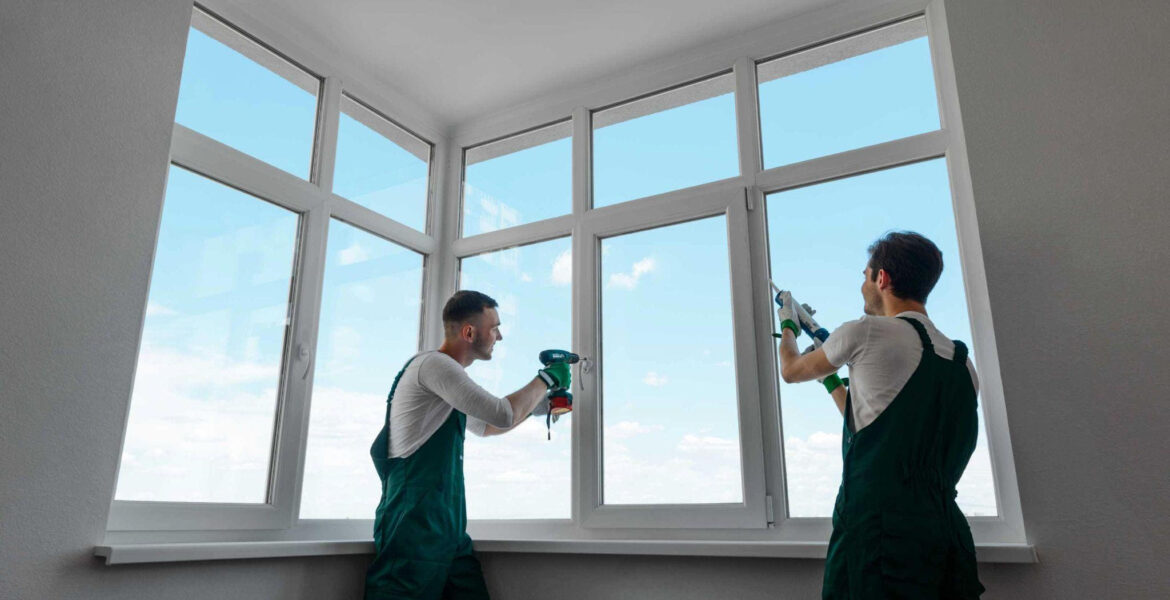
A home’s comfort and efficiency are strongly shaped by how well its windows perform. Comfort issues, rising energy bills, and security concerns often trace back to ageing or underperforming glazing systems. In many homes, the decision to move towards window replacement develops gradually, as existing units no longer meet modern expectations for insulation, durability, or everyday control. Recognising these early warning signs allows homeowners to take action before minor issues become costly problems.
Windows Should Seal Your Home — Not Leak Comfort
A properly functioning window should create a firm barrier between indoor and outdoor conditions. When draughts become noticeable near window frames or glass surfaces, it indicates a breakdown in seals, frames, or glazing integrity.
Common indicators include:
- Cold air movement near closed windows
- Uneven room temperatures
- Increased reliance on heating systems
Over time, these small inefficiencies reduce comfort and place additional strain on household energy systems.
When Your Energy Bills Reveal a Hidden Problem
Unexplained increases in heating or cooling costs often point to heat loss through glazing. Older windows struggle to regulate internal temperatures, allowing warmth to escape in colder months and excess heat to enter during warmer periods.
Signs of declining efficiency include:
- Heating systems running longer than expected
- Rooms cooling quickly after heating is switched off
- Difficulty maintaining consistent indoor temperatures
Upgrading glazing performance can help restore energy balance across the home.
Moisture Trapped Inside Glass Is a Structural Warning
Condensation forming between the panes of double or triple glazing is not caused by poor ventilation. It indicates that the internal seal has failed. Once this seal breaks, the insulating gas escapes and moisture becomes trapped inside the unit. As a result, thermal performance drops, the glass appears clouded or permanently fogged, and the window continues to deteriorate over time. At this stage, repair solutions are rarely effective, making window replacement the most reliable way to restore insulation and clarity.
Windows That Fight Back Are Already Failing
Windows should open, close, and lock smoothly. Resistance during operation suggests deeper structural issues that affect performance and safety.
Operational problems may involve:
- Warped or swollen frames
- Misaligned hinges or locking systems
- Degraded internal components
Beyond inconvenience, these issues compromise insulation, security, and emergency access.
Visible Wear Signals Deeper Performance Loss
Physical damage is often the clearest sign that windows are no longer performing as they should. Cracks, rot, corrosion, or distorted frames reduce the window’s ability to insulate and protect the property. Over time, finishes may peel, materials can become exposed, frames may turn brittle, and glazing can appear scratched, chipped, or cloudy. While cosmetic repairs may offer a short-term improvement in appearance, they rarely address the deeper performance issues beneath the surface, which tend to worsen as the window continues to age.
When Outside Noise Breaks Through Your Windows
Modern windows contribute significantly to acoustic insulation. When external noise becomes more noticeable indoors, it often signals failing seals or outdated glazing.
Noise intrusion may increase due to:
- Seal degradation
- Thin or ageing glass
- Loss of insulating layers
Improved glazing technology can restore sound control and enhance indoor comfort.
Sunlight Should Enhance Comfort, Not Cause Damage
Excessive ultraviolet exposure through older glazing can lead to gradual but lasting interior damage. Without adequate UV filtering, sunlight slowly fades furnishings, flooring, and interior finishes, often causing visible discolouration near window areas and uneven ageing across materials. Over time, this shortens the lifespan of décor and interior surfaces. Modern glazing solutions are designed to maintain natural light while significantly improving UV protection, helping preserve interior spaces without compromising brightness.
Outdated Windows Can Undermine Home Security
As security standards continue to evolve, older windows may no longer provide the level of protection expected in modern homes. Weakened frames, ageing hardware, and outdated locking systems can reduce resistance to forced entry and leave a property more vulnerable. Locks may feel loose or unreliable, frames can flex under pressure, and glazing may offer limited strength. Upgrading windows helps restore structural integrity, enhances security performance, and provides greater peace of mind for occupants.
When Older Windows No Longer Suit Modern Living
Even if windows appear intact, they may no longer suit the way a home is used today. Older designs often lack the insulation, ventilation control, and efficiency required for modern living.
Replacement should be considered when windows:
- Fail to meet current energy expectations
- Limit airflow or natural light control
- No longer align with renovation upgrades
A cohesive upgrade ensures windows support the home’s overall performance.
Repeated Repairs Are a Sign the Lifecycle Is Ending
Occasional maintenance is normal, but frequent repairs indicate diminishing value. When multiple windows show similar issues, continued fixes become inefficient and costly.
Ask yourself:
- Are the same problems recurring?
- Are repairs becoming more frequent?
- Is performance still declining after fixes?
At this stage, window replacement offers a more reliable long-term outcome.
Frequently Asked Questions
Q1. How do I know if my windows need replacement rather than repair?
If problems such as draughts, condensation between panes, difficulty opening or closing, or rising energy bills continue after repairs, replacement is usually the better option. Persistent issues suggest overall performance decline rather than a single fixable fault.
Q2. Can old windows really affect energy efficiency that much?
Yes. Older windows often allow heat to escape through worn seals and outdated glazing. This increases reliance on heating and cooling systems, leading to higher energy use and reduced indoor comfort throughout the year.
Q3. Is condensation between glass panes always a serious issue?
Condensation trapped between panes indicates internal seal failure. Once the seal is compromised, insulating gas escapes and moisture builds up inside the unit. This cannot be resolved through cleaning or ventilation and typically requires window replacement.
Q4. Do modern windows improve home security?
Modern windows are designed with reinforced frames, stronger glazing, and advanced locking systems. Replacing outdated units improves resistance to forced entry and helps meet current home security expectations.
Q5. Will replacing windows reduce outside noise?
Yes. Modern glazing systems offer improved sound insulation. If external noise has become more noticeable indoors, replacement windows can significantly reduce sound transfer and create a quieter living environment.
Q6. Is window replacement worthwhile even if windows still look fine?
Yes. Windows can appear intact while failing to meet modern standards for insulation, security, and comfort. Replacement decisions are often based on declining performance rather than visible damage alone.
Final Thoughts
Windows affect far more than appearance. They influence comfort, energy efficiency, noise control, and security every day. Draughts, condensation, rising bills, and operational issues are not isolated faults—they are signals that windows may no longer meet the demands of the home. Recognising these warning signs early allows for planned, informed decisions rather than reactive repairs. When performance continues to decline, window replacement becomes a practical step toward improved comfort, efficiency, and long-term property value.