


When you’re planning a home renovation, the plumbing system is one of the most critical components that can make or break the project. A well‑executed plumbing plan ensures clean water, proper drainage, and long‑term durability, while a cheap or rushed job can lead to leaks, water damage, and costly repairs down the line. This essential guide walks you through every step of hiring a professional plumber for your renovation, with a focus on Australian homeowners who need to navigate local codes, licensing requirements, and regional nuances.
Why Hiring a Professional Plumber Matters
Professional plumbers bring a blend of technical expertise, practical experience, and knowledge of local regulations that DIY enthusiasts simply cannot match. They understand how water pressure, pipe sizing, and material compatibility affect the overall health of a home. Moreover, a licensed plumber can spot hidden issues—such as corroded underground lines or outdated valve types—before they become emergencies.
Safety and Compliance
In Australia, plumbing work is governed by strict state and territory legislation. A qualified plumber is required to hold a valid licence, which demonstrates that they have completed the necessary training and passed competency assessments. Working with an unlicensed individual not only risks safety but can also void insurance policies and lead to costly fines.
Quality Assurance
Professional plumbers use industry‑standard tools, high‑quality materials, and proven installation techniques. This translates into fewer leaks, better water flow, and a system that stands the test of time. Many plumbers also offer warranties on workmanship, giving homeowners peace of mind that any future issues will be addressed promptly.
Understanding Australian Plumbing Regulations
Each Australian state and territory has its own plumbing legislation, but they all share common goals: protect public health, ensure water efficiency, and maintain building integrity. Below is a quick overview of the most relevant regulations for homeowners.
- New South Wales (NSW) – The Plumbing and Drainage Act 2011 requires all plumbing work to be performed by a licensed plumber registered with the NSW Fair Trading.
- Victoria (VIC) – The Plumbing Act 2001 mandates that plumbers hold a Victorian Plumbing Licence and follow the Australian Standards AS/NZS 3500 series for water and drainage installations.
- Queensland (QLD) – The Plumbing and Drainage Act 2018 governs licensing, and the Queensland Building and Construction Commission (QBCC) oversees compliance.
- Western Australia (WA) – The Plumbing Act 2011 requires a WA plumbing licence and adherence to the Australian Standards for pipework and fittings.
- South Australia (SA), Tasmania (TAS), Australian Capital Territory (ACT), and Northern Territory (NT) – Each jurisdiction has its own licensing board and similar standards aligned with the national Australian Standards.
Before you sign a contract, ask the plumber to provide a copy of their licence and confirm that it is current for your state. This simple step protects you from illegal work and ensures the project complies with local building codes.
How to Find Qualified Plumbers in Your Area
Finding the right plumber can feel overwhelming, especially when you’re juggling design decisions, budgets, and timelines. Below are proven strategies to locate reputable professionals near you.
Online Directories and Review Platforms
Websites such as ServiceSeeking, Oneflare, and local Google Business listings aggregate plumber profiles, customer reviews, and ratings. Look for plumbers with a high number of five‑star reviews and detailed feedback about renovation projects.
Word‑of‑Mouth Recommendations
Ask friends, family, or neighbours who have recently completed renovations. Personal referrals often include honest assessments of timeliness, communication style, and workmanship quality.
Industry Associations
Membership in organisations like the Master Plumbers Association of Australia or the Plumbing Industry Council can be a sign of professionalism and commitment to ongoing training.
Local Trade Shows and Home Improvement Expos
Events such as the Home & Garden Expo in Sydney or the Melbourne Home Show provide opportunities to meet plumbers face‑to‑face, ask questions, and collect brochures.
Evaluating Credentials and Licenses
Once you have a shortlist, dive deeper into each plumber’s credentials. A thorough evaluation includes the following checks.
- Licence Verification – Use your state’s online licence lookup tool to confirm the plumber’s registration number, expiry date, and any disciplinary actions.
- Insurance Coverage – Ensure the plumber holds public liability insurance (typically $10 million minimum) and workers’ compensation coverage.
- Specialisations – Some plumbers focus on residential renovations, while others specialise in commercial projects or heritage homes. Choose a plumber whose expertise aligns with your renovation scope.
- Continuing Education – Look for evidence of recent training in water‑saving technologies, new pipe materials (e.g., PEX), or green building standards such as NABERS.

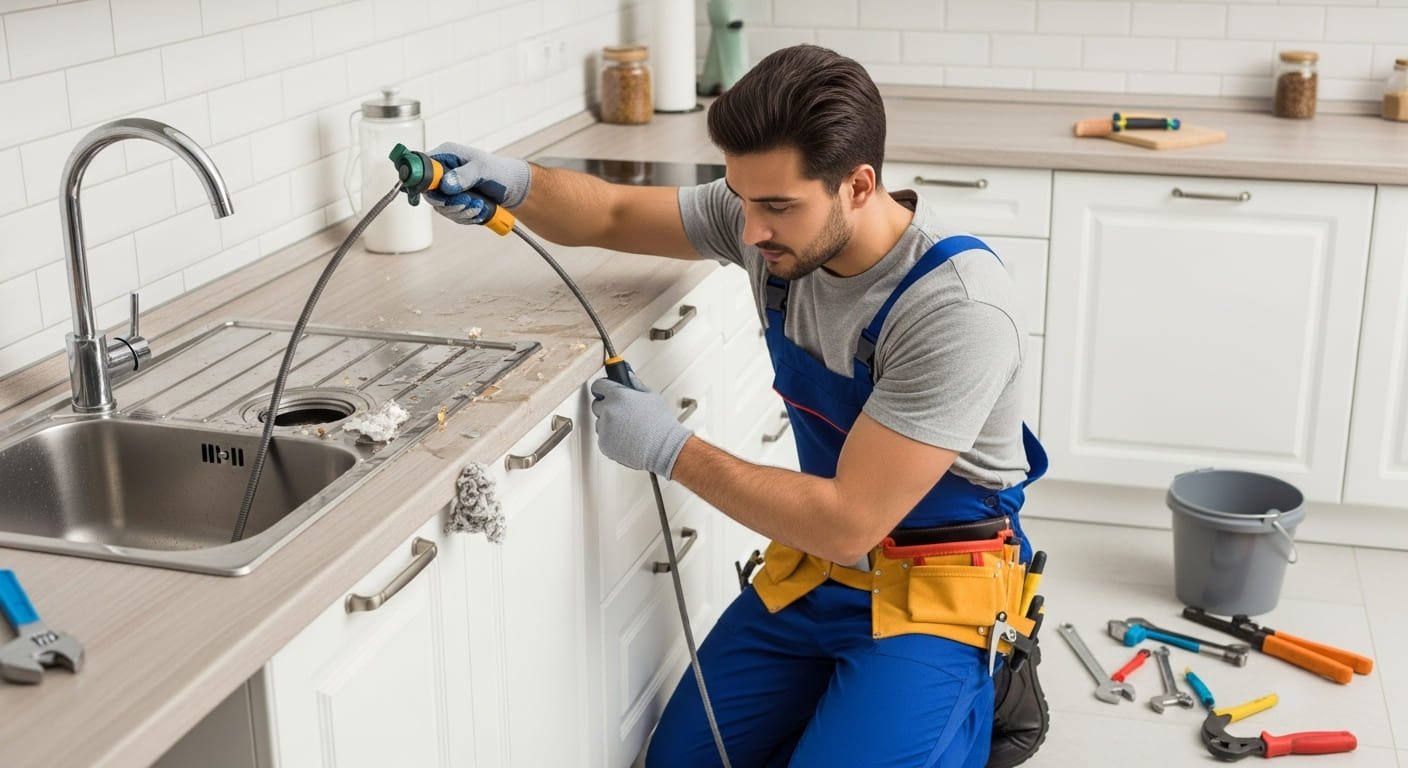
Plumbers
Checking References and Reviews
References give you a window into a plumber’s reliability and quality of work. When contacting past clients, ask about the following:
- Did the plumber complete the project on schedule?
- Were there any unexpected cost overruns, and how were they handled?
- How well did the plumber communicate changes or issues?
- Did the finished plumbing meet expectations for performance and durability?
In addition to personal references, read online reviews for patterns. Consistent praise for “clean work sites,” “clear invoices,” and “responsive after‑care” are strong indicators of a trustworthy professional.
Getting Accurate Estimates
A detailed estimate helps you compare options and avoid hidden fees. A reputable plumber will provide a written quote that includes:
- Scope of work (e.g., “replace 20 m of copper pipe with PEX”)
- Itemised material costs (pipes, fittings, valves, fixtures)
- Labour rates and estimated hours
- Permits and inspection fees, if applicable
- Contingency allowance for unforeseen conditions (typically 10‑15 % of total cost)
Never sign a contract based on a verbal estimate alone. Request a copy of the quote, review it with your builder or designer, and ask for clarification on any ambiguous line items.
What to Expect During the Renovation
Understanding the workflow can reduce stress and keep your project on track. Below is a typical sequence for plumbing work in a home renovation.
Pre‑Construction Planning
The plumber will review architectural drawings, identify pipe routes, and coordinate with other trades (electricians, HVAC, carpenters). This stage often includes a site visit to assess existing conditions and verify measurements.
Permitting and Inspection
In most Australian states, a plumbing permit is required before any work begins. The plumber will submit the necessary paperwork to the local council or building authority. After the installation, a certified inspector will verify compliance with the Australian Standards.
Installation Phase
During installation, the plumber will:
- Shut off water supply and drain the system.
- Excavate or open walls to access existing pipework.
- Install new pipes, fittings, and fixtures according to the approved plan.
- Test for leaks, pressure, and proper drainage.
Final Walk‑Through and Handover
After the work is complete, the plumber will walk you through the new system, explain operation of valves and shut‑off points, and provide maintenance tips. They will also hand over warranties and any required documentation for future reference.
Common Pitfalls and How to Avoid Them
Even experienced homeowners can fall into traps that compromise plumbing quality. Below are frequent mistakes and preventive actions.
- Choosing the Cheapest Quote – Low‑ball bids often hide sub‑standard materials or unlicensed labour. Prioritise value and compliance over price alone.
- Skipping the Permit Process – Unpermitted work may pass inspection initially but can cause insurance denial if a leak occurs later.
- Neglecting Future Expansion – Plan pipe routes with extra length or spare connections to accommodate future upgrades, such as adding a dishwasher or outdoor tap.
- Ignoring Water‑Saving Options – Modern fixtures, low‑flow toilets, and rain‑water harvesting systems can reduce utility bills and meet sustainability goals.
- Failing to Document Changes – Keep a written record of any design alterations, as they affect cost, schedule, and compliance.
Maintaining Your New Plumbing System
After the renovation, regular maintenance extends the life of your plumbing and prevents emergency repairs.
- Inspect exposed pipes for signs of corrosion or wear every six months.
- Test water pressure annually; high pressure can stress fittings.
- Flush water heaters and clean aerators to maintain flow.
- Schedule a professional inspection before winter to catch potential freeze‑risk areas.
Questions and Answers: Common Questions About Plumbers in Australia
Below are the most frequently asked questions by Australian homeowners who are planning renovations. Each answer is designed to give you clear, actionable information.
What licence do I need to hire a plumber for a home renovation in NSW?
In New South Wales, you must hire a plumber who holds a valid Plumbing Licence issued by NSW Fair Trading. The licence number should be displayed on the plumber’s business card or website, and you can verify it through the NSW online licence lookup tool.
Are there any water‑saving regulations that affect plumbing choices in Victoria?
Yes. Victoria’s Water Conservation Act encourages the use of low‑flow fixtures and rain‑water harvesting. Many local councils require new installations to meet the AS/NZS 3500 standards for water efficiency. A licensed plumber can recommend compliant products and may help you claim rebates for water‑saving upgrades.
How much should I expect to pay for a full bathroom remodel plumbing in Queensland?
Costs vary widely based on size, materials, and complexity, but a typical full bathroom plumbing remodel in Queensland ranges from $8,000 to $15,000. This includes pipe removal, new supply and waste lines, fixture installation, and final testing. Always request a detailed quote that separates labour, materials, and permit fees.
Can I install a tankless water heater myself, or do I need a licensed plumber?
Installation of a tankless water heater involves gas or electrical work and must comply with the Australian Standards AS/NZS 5601 (gas) or AS/NZS 3000 (electrical). A licensed plumber, often in partnership with a qualified electrician, is required to ensure safety, proper venting, and warranty protection.
What are the most common reasons for a plumbing permit to be rejected in Western Australia?
Typical reasons include incomplete drawings, use of non‑compliant materials, or failure to demonstrate compliance with the AS/NZS 3500 series. To avoid rejection, provide the plumber with accurate site plans, confirm that all fixtures meet Australian Standards, and allow the plumber to handle the permit submission process.
Conclusion: Your Path to a Successful Plumbers in Australia
Hiring a professional plumber for your home renovation is a decision that influences safety, cost, and long‑term satisfaction. By understanding local licensing requirements, verifying credentials, and demanding clear, itemised estimates, you protect your investment and ensure the work meets Australian standards. Remember to prioritize quality over price, keep communication open with your plumber, and schedule regular maintenance after the project is complete. With these steps, you’ll enjoy a reliable, efficient plumbing system that supports your home improvement goals for years to come.
Visit T.P.S Home Improvements for more.