


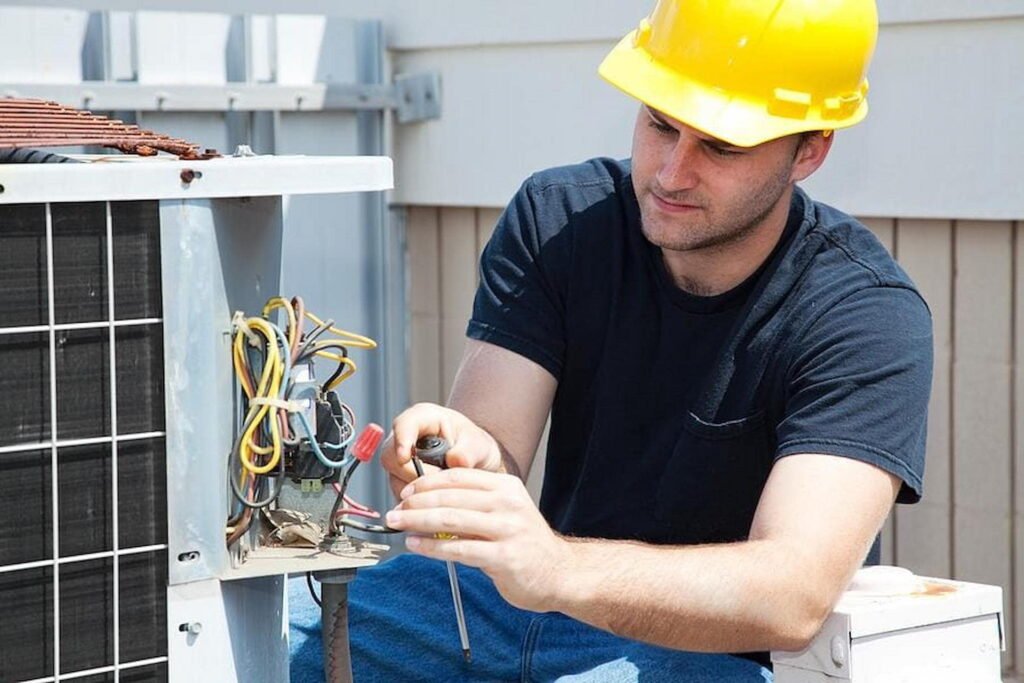
Keeping a home comfortable throughout the year depends heavily on the performance of the heating and cooling system. Many homeowners only think about their HVAC system when something goes wrong, but regular seasonal maintenance plays a major role in preventing costly breakdowns and improving long-term efficiency. A well-maintained system not only keeps indoor temperatures stable but also helps reduce energy consumption and extend the life of expensive equipment.
Scheduling professional inspections before extreme weather arrives is one of the smartest ways to avoid unexpected problems. Hiring an experienced HVAC contractor in Cary, IL can help homeowners prepare their systems for both summer heat and winter cold while ensuring everything operates safely and efficiently.
Why Seasonal HVAC Maintenance Matters
HVAC systems work hard throughout the year. During summer, air conditioning units often run for long hours to keep homes cool, while heating systems face heavy demand during colder months. Without regular servicing, components gradually wear down, airflow becomes restricted, and efficiency begins to decline.
Seasonal maintenance allows technicians to identify small issues before they develop into major repairs. Loose electrical connections, dirty filters, blocked vents, and low refrigerant levels can all reduce system performance over time. Addressing these concerns early helps homeowners avoid sudden breakdowns during periods of extreme weather.
Routine maintenance also improves reliability. A system that receives consistent care is less likely to fail unexpectedly, which can be particularly important during heatwaves or freezing winter nights.
Lower Energy Bills Through Better Efficiency
One of the biggest advantages of regular HVAC maintenance is improved energy efficiency. Heating and cooling systems that are dirty or poorly maintained must work harder to maintain indoor temperatures, leading to increased energy use and higher utility bills.
Simple maintenance tasks can make a noticeable difference, including:
- Replacing clogged air filters
- Cleaning evaporator and condenser coils
- Checking thermostat calibration
- Inspecting ductwork for leaks
- Lubricating moving components
- Ensuring proper airflow throughout the system
When the system runs efficiently, it consumes less energy while still delivering consistent comfort. Over time, these energy savings can help offset the cost of routine servicing.
Extending the Lifespan of HVAC Equipment
Replacing a complete HVAC system is a major investment for most homeowners. Fortunately, regular maintenance can significantly extend the lifespan of heating and cooling equipment.
Systems that operate under constant strain tend to experience faster wear on motors, compressors, fans, and electrical parts. Dirt accumulation and neglected maintenance can force components to work beyond their normal capacity, increasing the likelihood of early failure.
Seasonal servicing helps reduce unnecessary stress on the system. Technicians can clean internal parts, test performance levels, and make adjustments that support smoother operation. This preventive approach often allows homeowners to get more years out of their existing equipment before replacement becomes necessary.
Improving Indoor Air Quality
Indoor air quality is closely connected to HVAC performance. Dust, pollen, mold spores, and other airborne particles can circulate throughout the home if filters and ducts are not properly maintained.
Dirty HVAC systems may contribute to:
- Increased dust accumulation indoors
- Poor airflow
- Unpleasant odours
- Allergy irritation
- Reduced overall comfort
Regular maintenance helps keep air filters clean and ensures the system distributes cleaner air throughout the home. This can be especially beneficial for households with children, older adults, or family members who suffer from allergies or respiratory sensitivities.
Ventilation also plays an important role in maintaining healthy indoor conditions. Proper airflow reduces excess humidity and helps prevent moisture-related problems that may contribute to mold growth.
Seasonal Maintenance Tasks Homeowners Should Prioritise
While professional servicing is important, homeowners can also take simple steps between maintenance visits to support system performance. Consistent attention throughout the year can help prevent avoidable issues from developing.
Spring and Summer Maintenance
Before warmer temperatures arrive, homeowners should prepare their cooling systems for increased use.
Key tasks include:
- Replacing air filters
- Clearing debris around outdoor units
- Cleaning vents and registers
- Testing thermostat settings
- Checking for unusual noises or smells
- Scheduling professional AC inspections
Air Conditioning Systems often experience their highest workload during summer. Early maintenance helps ensure the unit is ready before temperatures peak.
Autumn and Winter Maintenance
Heating systems should also be inspected before cold weather begins.
Important seasonal tasks include:
- Testing the heating system before winter
- Inspecting carbon monoxide detectors
- Checking furnace filters
- Sealing air leaks around windows and doors
- Ensuring vents remain unobstructed
- Scheduling furnace servicing
Preparing early reduces the risk of heating failures during freezing conditions when repair demand is often highest.
Preventing Expensive Emergency Repairs
Emergency HVAC repairs can be stressful and costly, especially during periods of extreme weather when technicians may already have heavy workloads. In many cases, sudden system failures are linked to preventable maintenance issues that were ignored for too long.
A small refrigerant leak, dirty filter, or worn belt may not seem urgent initially, but these problems can place additional strain on the system over time. Eventually, they may contribute to larger failures involving compressors, motors, or electrical components.
Seasonal inspections help technicians detect warning signs before serious damage occurs. Preventive maintenance is generally far more affordable than emergency repairs or full system replacements.
The Value of Professional HVAC Inspections
Although homeowners can manage basic upkeep, professional maintenance remains essential for complete system care. Licensed technicians have the tools and expertise needed to inspect internal components safely and accurately.
Professional HVAC servicing often includes:
- Electrical system inspections
- Refrigerant level testing
- Thermostat calibration
- Airflow analysis
- Safety checks
- Coil and component cleaning
- System performance testing
These detailed inspections help ensure the entire system operates correctly and safely throughout the season.
Conclusion
Seasonal HVAC maintenance is one of the most effective ways homeowners can protect their comfort, reduce energy costs, and extend the lifespan of their heating and cooling systems. Regular servicing improves efficiency, supports healthier indoor air quality, and helps prevent unexpected breakdowns during periods of extreme weather.
By combining simple homeowner maintenance with professional inspections, families can keep their systems operating reliably throughout the year. Preventive care may seem like a small task, but it can make a significant difference in long-term performance, comfort, and overall household expenses.