Top 10 Reasons Why Heat Pump Hot Water Systems Are Worth the Investment
If you’re thinking about upgrading your home’s hot water setup, you might be asking yourself, are heat pump hot water systems worth it? In Australia, where energy costs keep rising and summers get hotter, these systems are gaining popularity for good reason. They use smart technology to pull heat from the air, making hot water more efficiently than old-school electric or gas units. This guide dives into the top 10 reasons why investing in one makes sense for your home improvement project. We’ll cover how they work, their long lifespan, energy savings, and tips tailored to Australian homes. By the end, you’ll see why so many Aussies are switching over.
How Heat Pump Hot Water Systems Work
Before jumping into the reasons, let’s quickly explain the basics. A heat pump hot water system works like a reverse air conditioner. It takes warmth from the surrounding air—even on cooler days—and uses it to heat water in a tank. An electric compressor does the heavy lifting, but it uses far less power than traditional heaters that generate heat from scratch.
In Australia, these systems shine because our climate varies from mild coastal areas to inland heat. They need about 30-40°C air temperature to operate best, which fits most regions outside extreme winters. Installation involves placing the unit in a shaded spot, like under your eaves, and connecting it to your water and power lines. Local plumbers handle this, ensuring it meets Australian standards from the WaterMark certification.
Understanding this tech helps answer the question: are heat pump hot water systems worth it? They cut your energy use by up to 60-70% compared to standard electric systems, which is a big deal with Australia’s high electricity rates.
Top 10 Reasons to Invest in a Heat Pump Hot Water System
Here are the top 10 reasons why these systems are a smart choice for Australian homeowners looking to improve their home’s efficiency and comfort.
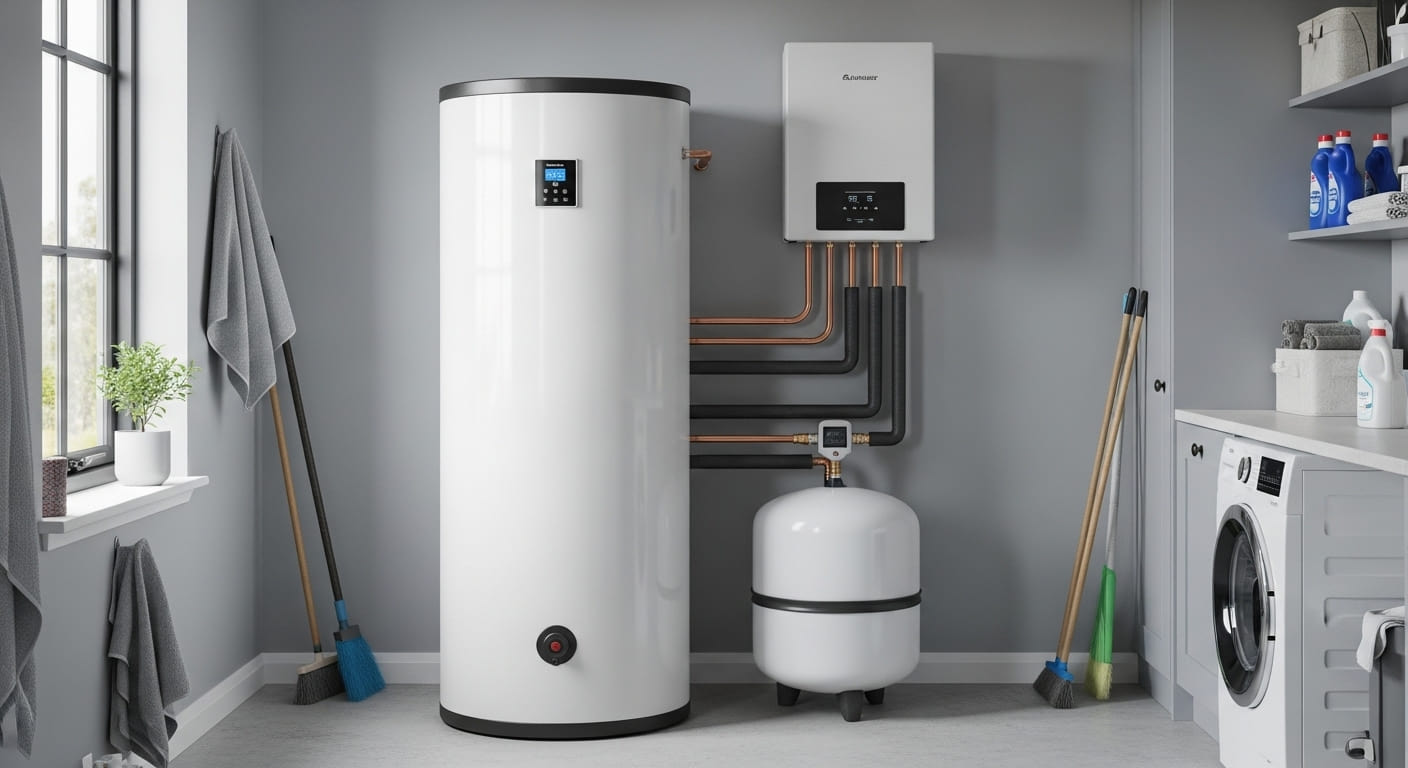
Heat Pump Hot Water System
1. Massive Energy Savings
One of the biggest draws is how much they save on your power bill. Traditional electric hot water systems can eat up 25% of a home’s energy, but heat pumps use ambient air to do most of the work. In places like Sydney or Melbourne, where average electricity costs $0.30 per kWh, you could save $500-800 a year. Over time, this payback makes you wonder less if are heat pump hot water systems worth it—they pay for themselves in 3-5 years.
2. Lower Carbon Footprint
Australia is pushing for greener homes, and heat pumps align perfectly. They produce fewer greenhouse gases than gas or electric alternatives. With the government’s focus on net-zero emissions by 2050, choosing one supports national goals. In sunny Queensland, where solar panels are common, pairing a heat pump with panels boosts your eco-credentials even more, reducing reliance on the grid.
3. Government Rebates and Incentives
In Australia, you can tap into rebates that make the upfront cost easier. The Small-scale Renewable Energy Scheme (SRES) offers certificates worth thousands, depending on the system’s size. States like Victoria and New South Wales add their own incentives through energy efficiency programs. For example, in South Australia, the Home Battery Scheme sometimes bundles with heat pumps. These perks directly address whether are heat pump hot water systems worth it financially right from the start.
4. Long Lifespan and Durability
Heat pump systems last 10-15 years, often outpacing cheaper electric units that might fail in 7-10 years. Built with corrosion-resistant materials, they handle Australia’s humid coastal air and salty conditions in places like Perth or Brisbane. Regular maintenance, like annual checks, keeps them running smoothly, adding to their value as a long-term home improvement.
5. Quiet and Low-Maintenance Operation
Unlike noisy gas boosters, heat pumps run quietly, similar to a fridge hum. They’re set-it-and-forget-it appliances—no pilot lights or constant adjustments. In urban Aussie suburbs, this means less disturbance for you and neighbors. Maintenance is simple: clean the air filter every few months and have a pro inspect the anode rod yearly to prevent buildup.
6. Consistent Hot Water Supply
These systems provide steady hot water even during peak use, like family mornings or entertaining guests. The insulated tank holds heat well, and the efficient compressor ramps up as needed. In larger Australian homes with multiple bathrooms, this reliability prevents cold showers, making daily life smoother.
7. Versatility for Different Climates
Australia’s diverse weather—from tropical north to temperate south—suits heat pumps well. They work efficiently above 5°C, covering most of the country. In cooler areas like Tasmania, hybrid models switch to electric backup on rare cold snaps. This adaptability ensures are heat pump hot water systems worth it no matter where you live Down Under.
8. Space-Saving Design
Many models are compact, fitting into tight spaces like garages or under houses. The outdoor compressor unit is smaller than old water heaters, freeing up room for storage. For home renovations in crowded cities like Adelaide, this is a game-changer, blending seamlessly into your improvement plans.
9. Improved Home Value
Installing a heat pump can boost your property’s appeal. Energy-efficient features attract buyers in Australia’s competitive housing market. Appraisers note lower running costs, and with rising demand for sustainable homes, it could add thousands to your sale price. It’s a forward-thinking upgrade that pays off when you move.
10. Easy Integration with Smart Homes
Modern heat pumps connect to apps for remote control, scheduling, and energy monitoring. In tech-savvy Australian households, you can preheat water before arriving home or track usage to cut waste. This smart integration ties into broader home improvements, like automated lighting or solar setups, enhancing overall efficiency.
Factors Affecting Longevity and Efficiency
To maximize benefits, consider what impacts a heat pump’s performance. Proper sizing—for a family of four, aim for 250-315 liters—ensures it meets demand without overworking. Shading the unit from direct sun prevents efficiency drops in hot Aussie summers.
Efficiency ratings under Australia’s MEPS (Minimum Energy Performance Standards) help compare models; look for a 3-4 star energy factor. Longevity improves with good installation—ensure the base is level and airflow is unobstructed. In humid regions like the Northern Territory, anti-corrosion coatings extend life further.
Local providers follow these guidelines, offering warranties of 5-7 years on parts. Regular servicing complies with Australian plumbing codes, keeping everything safe and effective.
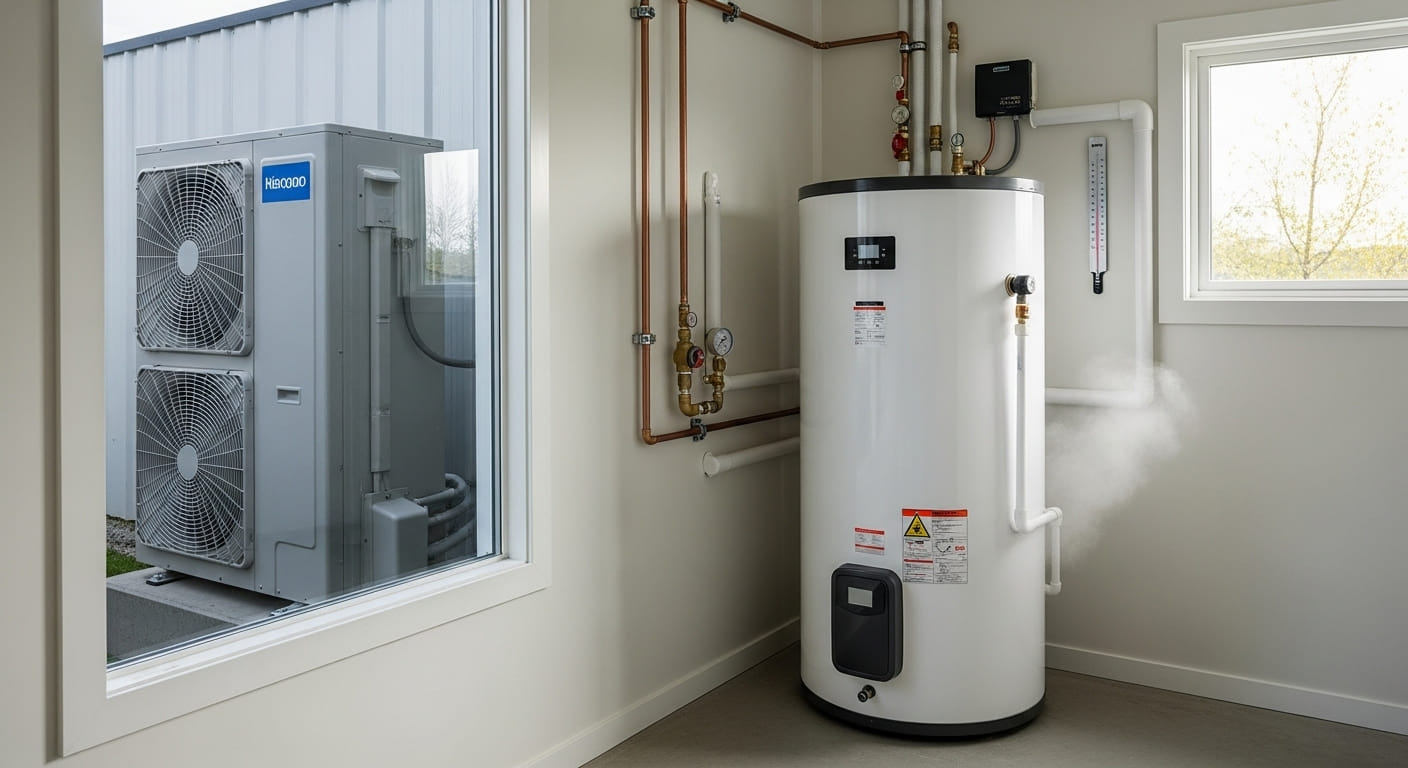
Heat Pump Hot Water System
Questions and Answers: Common Questions About are heat pump hot water systems worth it in Australia
Q: Are heat pump hot water systems worth it for small households in Australia?
Ans: Yes, they are especially worth it for small households. A compact 160-liter model uses minimal energy and qualifies for rebates, saving $200-400 yearly on bills. In apartments across cities like Brisbane, the space-saving design fits perfectly without high upfront costs.
Q: How do heat pump hot water systems perform in cold Australian winters?
Ans: They perform well in most winters, extracting heat down to 5°C. In southern states like Victoria, built-in electric elements kick in during frosts, maintaining efficiency. Overall, are heat pump hot water systems worth it even in cooler climates, with savings still outweighing traditional options.
Q: What are the installation costs for heat pump hot water systems in Australia?
Ans: Installation runs $2,000-4,000, including the unit and labor. Factors like location—rural vs. urban—and site prep affect this. Rebates from the federal government can cut it by $1,000+, making are heat pump hot water systems worth it from day one for many homeowners.
Q: Do heat pump hot water systems qualify for solar integration in Australia?
Ans: Absolutely—they pair great with solar panels under the STCs scheme. Excess solar power runs the compressor for free hot water. In sunny areas like Western Australia, this combo slashes bills further, proving are heat pump hot water systems worth it for off-grid or hybrid setups.
Q: How much maintenance do heat pump hot water systems need in Australia?
Ans: Little maintenance is required—just clean filters quarterly and service annually for $150-200. Following local regs in places like New South Wales ensures longevity. This low upkeep reinforces why are heat pump hot water systems worth it as a hassle-free choice.

Heat Pump Hot Water System
Conclusion: Your Path to a Successful are heat pump hot water systems worth it in Australia
In summary, heat pump hot water systems stand out for their energy savings, eco-friendliness, long life, and ease of use, making them a top pick for Australian home improvements. From government rebates to smart features, the top 10 reasons show clear value, especially with our variable climate and rising energy needs. If you’re pondering are heat pump hot water systems worth it, the answer is a strong yes—they deliver quick returns and lasting benefits.
Your next steps: Assess your current system’s age and bills, check eligibility for rebates on the Clean Energy Regulator website, and get quotes from local installers. Start with a energy audit to confirm sizing, then schedule installation to enjoy hot water efficiency sooner. Embrace this upgrade to make your home more sustainable and cost-effective today.