Understanding the Basics of Architectural Cladding
Architectural cladding is the solution to all these questions. In its most basic definition, it is the protective and decorative outer layer applied to the exterior walls of a building. Think of it as the first line of defence of your building against everything that Mother Nature throws at it-from summer heat to wind-driven rain and coastal salt spray. Along with protection, cladding is a designer’s most useful tool to allow both architects and clients to compose buildings with a stunning visual impact.
This guide will teach you everything else that you want to know about architectural cladding. The considerations concerning when to use it, what materials it offers, costs involved, safety features, and what is to consider while choosing the cladding best suited for your project will all be debated in this article. Hence, whether you plan to construct a new house, upgrade an older property, or are simply in a phase of construction exploration, the article will benefit you. So now let’s dig deeper into the architectural cladding.
Architectural Cladding
Why Is Cladding Used on Buildings?
Tricky with many uses, cladding, as an element, is one of the most versatile in modern construction. Knowing these benefits would help in appreciating why it’s become so popular right across the country in Australia.
Protection from the Elements
Australia is a killer for buildings with its extreme climates, ranging from the tropical humidity of Queensland to the dry heat of the outback and along the coastal conditions of our shores. Cladding acts as a protective shield against moisture entry into the building envelope. It also protects against the sun’s ultraviolet radiation, wind erosion, and extreme temperatures resulting in expansion and contraction of hard materials.
Improving Energy Efficiency
When they collaterally respect proper insulation and installation, cladding becomes a thermal barricade that works during summer coolness and winter warmth; cladding in quality can significantly trim down energy bills; would you believe that install one’s cladding and insulation to an effective degree? This means in direct terms that the air conditioning and heating systems will, in due course, consume a lot of energy both on the account of fuel and monetary-wise.
Enhancing Aesthetic Appeal
Candidly put, we all want our buildings to look good. Cladding gives fantastic design flexibility, allowing you to achieve virtually any aesthetic you wish: a rustic timber look, a contemporary metal finish, or even a classic rendered appearance- there is cladding to suit your vision. Besides, this is a terrific way of giving or refreshing old buildings without much structural change.
What Are the Different Types of Cladding Materials?
Building systems provide an excellent range of construction materials and cladding systems, each with specific characteristics and advantages. Let us further break down the most frequently used options for Australian builders and homeowners.
Timber Cladding
Wooden siding brings natural warmth and character that few other materials can reproduce. Hardwoods such as spotted gum and blackbutt usually show commendable durability. While timber needs more maintenance than many choose from, many find its fabulous look worth doing the little extra. It works best when building is done in coastal or bush settings as it stands out while blending with its natural surroundings.
Metal Cladding
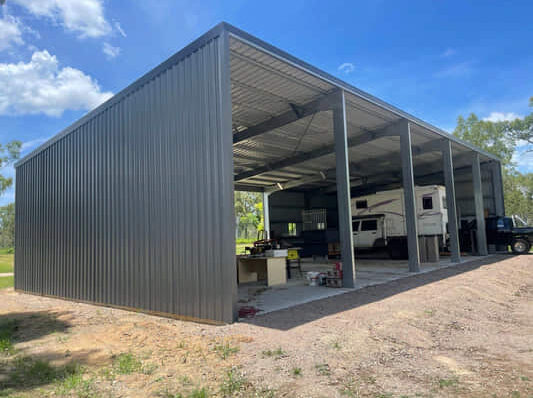
Metal cladding has been gaining popularity because of its durability in the weather and its low-maintenance qualities. It is primarily selected because of its lightweight and corrosion resistance, thus deemed suitable for coastal areas. Steel has very high strength with zinc developing a beautiful patina with time. These materials go well with modern architecture and can be powder coated in virtually any colors.
Brick and Stone Cladding
Brick cladding and stone cladding are sought after for their traditional or timeless appearance. Brick slips and stone veneers are more modern and are thinner and lighter compared to the traditional forms. Thus, they become easier to handle and fit and offer cost advantages in their erection. These offer good fire resistance and are very durable but tend to be more expensive.
Fibre Cement Cladding
Fibre cement has become the Australian builders’ material of choice-food resistant, termite proof, and able to withstand our extreme weather conditions. It comes in a myriad of profiles and textures, and it can imitate timber or render at a fraction of the cost and maintenance.
Composite and Engineered Cladding
Wood-plastic composites, for all intents and purposes, are usually described as offering the, while solving the otherwise inextricable problem of timber appearances, enhanced durability, and better low maintenance. Such materials can be used in practically any environment, with recycled material often being used. They also promise very promising ecological options.
Vinyl and uPVC Cladding
Many practical homeowners prefer cladding in vinyl and uPVC. They are an inexpensive solution requiring very little maintenance and available in numerous colors and styles. While cheaper options may not be as aesthetically pleasing as their more costly counterparts, for the price, they provide protection second to none.
Architectural Cladding
How Much Does Cladding Cost in Australia?
Understanding cladding costs will help enable you to budget appropriately for your project. Different costs are subject to wide variations based on many factors.
Factors That Influence Cladding Prices
Material choice motivates most costs. Vinyl cladding may be put in from $40-60 per square metre while the premium options are more than $300 per square metre. Other factors that influence the final cost are labour, complexity of the building, location, and current market conditions. Don’t forget about prep, insulation, and possible structural modifications as well.
Budget-Friendly vs Premium Options
Hard fibre cement and vinyl cladding are best for those on a budget. For medium-range projects, metal cladding and composites offer a perfect combination of aesthetics and durability. For the very best of everything, natural timber, stone, and top metal systems are available.
Is Cladding Safe for Residential Buildings?
Ever since that tragedy at Grenfell Tower in the UK, cladding safety has attracted global scrutiny. Quite evidently, Australia has also tightened its regulatory standards significantly in response.
Understanding Fire Safety Regulations
Australian building codes become stricter on all combustible claddings, especially those pertaining to a multi-storey building. Apparently, the National Construction Code or NCC has set up very clear provisions regarding external walls and the fire performance of materials. Noncompliant cladding has been found in various buildings throughout Australia. This has prompted huge remediation programs across the country.
Compliant Cladding Options for Australian Homes
Fire protection today offers a plethora of safe alternatives with fibre cement, brick, stone wall, and adequately rated metallic cladding in residential buildings. While buying cladding, always check for Australian Standard compliance and the requirements of your local council.
What Are the Benefits of External Wall Cladding?
What we discussed previously were core advantages of cladding; there are some additional benefits worth mentioning. First, it increases the property value through kerb appeal. He said it reduces noise intrusion from outside, providing acoustic insulation. Like any cladding system, it requires shorter periods of installation compared to conventional methods; this may save in labor costs.
How to Choose the Right Cladding for Your Project
Making the right choice requires careful consideration of several factors.
Climate Considerations
Such are the divergent climates in Australia, such that what works in Melbourne does not necessarily apply to Darwin and vice versa. Thus, coastal regions need materials resistant to corrosion. Light tones reflect sun and heat and should be selected as a cladding material in hot dry areas, while humid areas should house moisture and fungal growth-resistant materials.
Matching Cladding to Architectural Style
Examine the application of your cladding to its design: For example, contemporary homes suit metal-composite, and timber or rendered finishes work best for heritage properties. Also, examine the surrounding environment and neighbourhood aesthetics to the design of your house.
Working with Professionals
Always take the assistance from competent professionals such as architects and building designers concerning the selection of materials for cladding projects and are best placed to recommend the most suitable materials; certified installers guarantee a perfect fit that maximises the performance and longevity of the installed project.
Making an Informed Cladding Decision
The decision to put up the proper architectural cladding is significant as it determines how much the structure will look, its protection, and its long-term value. We have already tackled the important issues from the reasons it matters to the different materials-the costs, the considerations of safety, and the criteria for choosing one.
Remember, every single day, the exterior of your building faces a fouler world. Investing in quality cladding that fits will pay dividends for many decades to come. Whether you are refurbishing for a family home or creating from scratch, you now hold the knowledge to home in on an informed decision. Carry on-you are now in a position to transform your building into something of which you can be proud for years to come.