Waterproof Shade Sails in Australia – Home Improvement Guide
If you are looking to add comfort, style, and protection to your outdoor living area, waterproof shade sails are a smart choice. They combine the airy feel of a traditional sail with the practical benefits of a waterproof barrier, making them perfect for the varied Australian climate. This guide walks you through everything you need to know – from benefits and design options to local regulations, suppliers, and maintenance tips – so you can make an informed decision for your home improvement project.
Why Choose Waterproof Shade Sails?
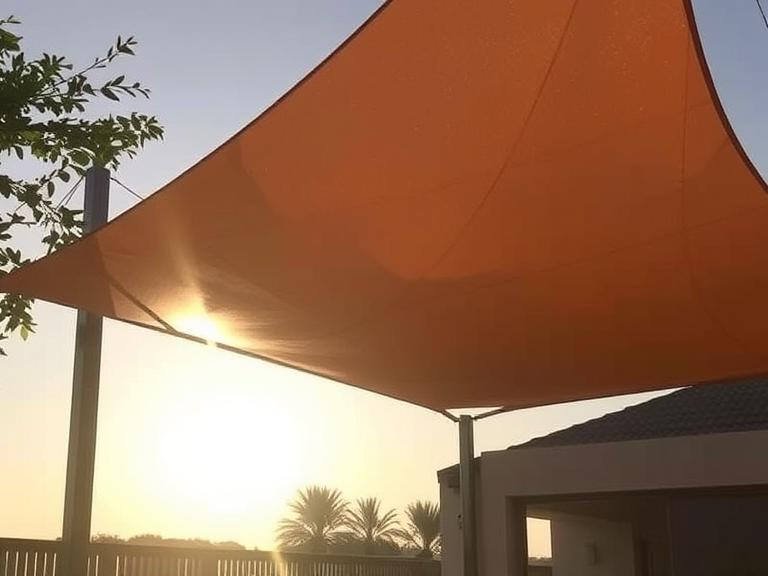
Waterproof shade sails give you the best of both worlds: shade when the sun is strong and rain protection when the weather turns. Unlike solid roofs, they allow light to filter through, creating a pleasant ambience while keeping the area dry. The fabric is engineered to shed water quickly, reducing the risk of mould and slip hazards. For Australian families who love outdoor dining, play, or relaxing, a waterproof shade sail can extend usable outdoor time throughout the year.
Key Benefits for Australian Homes
Protection from Sun and Rain
Australia’s UV index can be extreme, especially in the north and during summer months. Waterproof shade sails block up to 90 % of UV rays, protecting skin and furniture. At the same time, the waterproof coating prevents water from seeping through, keeping the space underneath dry even during sudden summer showers.
Energy Savings
By shading windows, doors, and outdoor walls, waterproof shade sails reduce heat gain inside the house. This means your air-conditioning system works less hard, lowering electricity bills. In many Australian states, households that adopt passive cooling solutions can qualify for modest rebates or incentives.
Durability in Local Climate
Australian weather ranges from hot, dry interiors to humid coastal conditions. High-quality waterproof shade sails are built to resist fading, mildew, and wind uplift. The fabric’s tensile strength and reinforced stitching help it survive strong gusts common in coastal towns and open-plan suburbs.
Design and Material Considerations
Fabric Types
- Polyester with PVC coating – strong, water-tight, and easy to clean.
- Acrylic-blended fabric – offers better breathability while still repelling water.
- Polyethylene (PE) mesh – lightweight, good for larger spans, but may need extra waterproofing.
UV and Water Resistance Ratings
Look for a UV protection factor (UPF) of 50+ and a waterproof rating of at least 2000 mm. These numbers indicate the fabric can block most UV radiation and handle heavy rain without leaking.
Colour and Style Choices
Australian homes often use earthy tones that blend with the landscape. Popular colours include sand, olive, and deep navy. You can also choose bold shades like coral or teal to create a focal point in a garden or patio.
Australian Regulations and Building Codes
Before installing a waterproof shade sail, check your local council’s planning rules. In most states, a shade sail under 3 m² does not require a building permit, but larger installations may need approval to ensure wind load compliance.
- New South Wales – Follow the NSW Building Code of Australia (BCA) for wind classification.
- Victoria – The Victorian Building Authority (VBA) requires a minimum of 4 m² for a permit-free sail.
- Queensland – Coastal areas must meet the Queensland Development Code for cyclone-prone zones.
- Western Australia – The Building Commission recommends a minimum of four anchor points for sails larger than 5 m².
Finding the Right Supplier – Local Options
Choosing a supplier that understands Australian conditions is essential. Look for companies that offer warranties, local installation teams, and a range of fabric options.
- com.au – Provides custom-cut waterproof shade sails with free design advice.
- Shade Solutions – Operates in Queensland and New South Wales, specializes in marine-grade fabrics.
- SunGuard – Offers a “ready-to-fit” range for DIY installers in Victoria and South Australia.
- Coastal Covers – Focuses on wind-resistant designs for Perth and Adelaide coastal homes.
Installation Tips and DIY vs Professional
Site Assessment
Measure the area accurately and check for obstacles such as gutters, trees, and power lines. Use a level and a laser distance meter to mark anchor points. In windy regions, aim for a 30-degree angle between the sail and the mounting surface to reduce uplift.
Mounting Basics
Secure the sail to sturdy posts, steel brackets, or existing roof rafters. Stainless-steel or galvanized hardware resists rust in coastal salt air. Use a torque wrench to tighten bolts to the manufacturer’s specification, typically 8-10 Nm for 12 mm bolts.
Safety and Warranty
If you are not comfortable working at height or handling heavy fabric, hire a professional installer. Many suppliers, including Shadewise.com.au, provide a warranty that covers fabric tearing and hardware corrosion for up to five years, but only if installation follows their guidelines.
Maintenance and Care for Longevity
Regular upkeep keeps your waterproof shade sail looking fresh and performing well.
- Rinse with a garden hose after heavy rain to remove debris.
- Use a mild soap solution and a soft brush to clean stains; avoid abrasive cleaners.
- Inspect stitching and hardware every six months for signs of wear.
- Apply a UV-protective spray once a year if the fabric manufacturer recommends it.
- Store the sail in a dry, shaded area during long periods of inactivity, such as winter in cooler states.
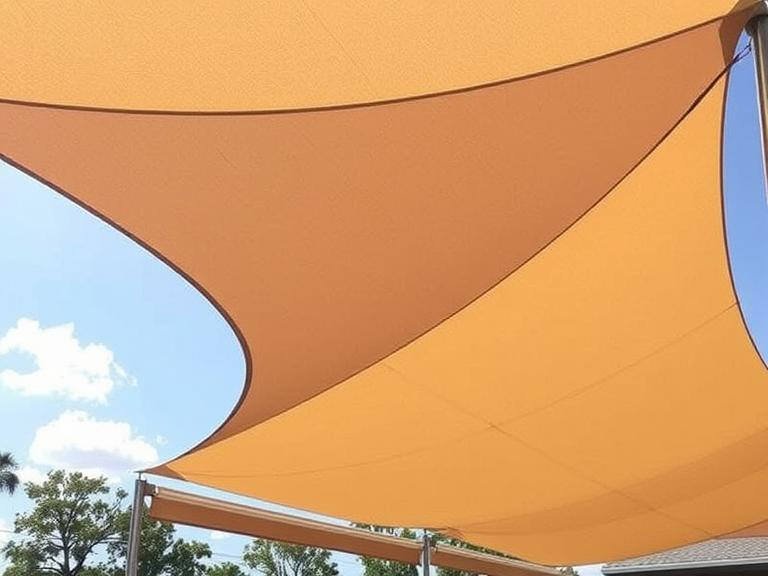
Waterproof Shade Sails
Questions and Answers: Common Questions About waterproof shade sails in Australia
What is the best waterproof shade sail fabric for a coastal home?
Acrylic-blended fabrics with a marine-grade PVC coating perform well near the sea. They resist salt corrosion and maintain water-tightness even after exposure to salty breezes.
Do I need a building permit for a 4 m² waterproof shade sail in Melbourne?
In Victoria, sails under 4 m² are generally exempt from permits, but you should still confirm with your local council, especially if the sail is attached to a heritage-listed property.
How much wind can a waterproof shade sail safely withstand?
Most Australian-grade sails are rated for wind speeds up to 80 km/h when installed with four anchor points and a proper tension. In cyclone-prone regions, choose a design that meets the local wind classification, usually 100 km/h or higher.
Can I install a waterproof shade sail myself, or should I hire a professional?
DIY installation is possible for small, simple sails (under 3 m²) if you have basic tools and can work safely at height. For larger or complex shapes, a professional ensures correct tension, safety, and warranty compliance.
How often should I clean my waterproof shade sail?
A quick rinse after each heavy rain and a thorough cleaning with mild soap twice a year are enough to keep the fabric in good condition. In dusty inland areas, you may need to clean more frequently.
Conclusion: Your Path to a Successful waterproof shade sails in Australia
Waterproof shade sails offer Australian homeowners a versatile solution for sun and rain protection, energy savings, and aesthetic appeal. By selecting the right fabric, respecting local building codes, and working with a reputable supplier such as Shadewise.com.au, you can create a durable outdoor space that fits your lifestyle and climate. Remember to measure accurately, use proper hardware, and maintain the sail regularly to enjoy years of reliable performance. With these steps, your home improvement project will not only enhance comfort but also add lasting value to your property.