


Have you ever wondered why some epoxy floors look pristine after a decade while others start peeling within a year? What makes the difference between a coating that stands the test of time and one that fails prematurely? And most importantly, how can you make sure your investment pays off for years to come?
Concrete epoxy coating has become incredibly popular across Australian homes and businesses. From sleek garage floors to heavy-duty warehouse surfaces, this durable flooring solution offers protection, aesthetics, and longevity. However, not all epoxy coatings perform equally. The lifespan of your epoxy floor depends on multiple factors working together—and understanding these can save you thousands in premature repairs or replacements.
In this guide, we’ll break down everything that affects how long your epoxy coating will last. You’ll discover why surface preparation is non-negotiable, how material quality impacts durability, and what role Australian weather plays in coating performance. We’ll also explore the difference between DIY and professional application, plus maintenance practices that’ll keep your floor looking brilliant. Whether you’re considering epoxy for your home garage or a commercial space, this information will help you make informed decisions and get the most from your flooring investment.
What Is Concrete Epoxy Coating and How Long Does It Last?
The Basics of Epoxy Floor Coatings
Epoxy flooring is a two-part system combining resin and hardener that creates a chemical bond with your concrete surface. When mixed and applied correctly, it forms a rigid, plastic-like coating that’s remarkably tough. This isn’t your average paint—it’s a thermosetting polymer that actually becomes part of the floor.
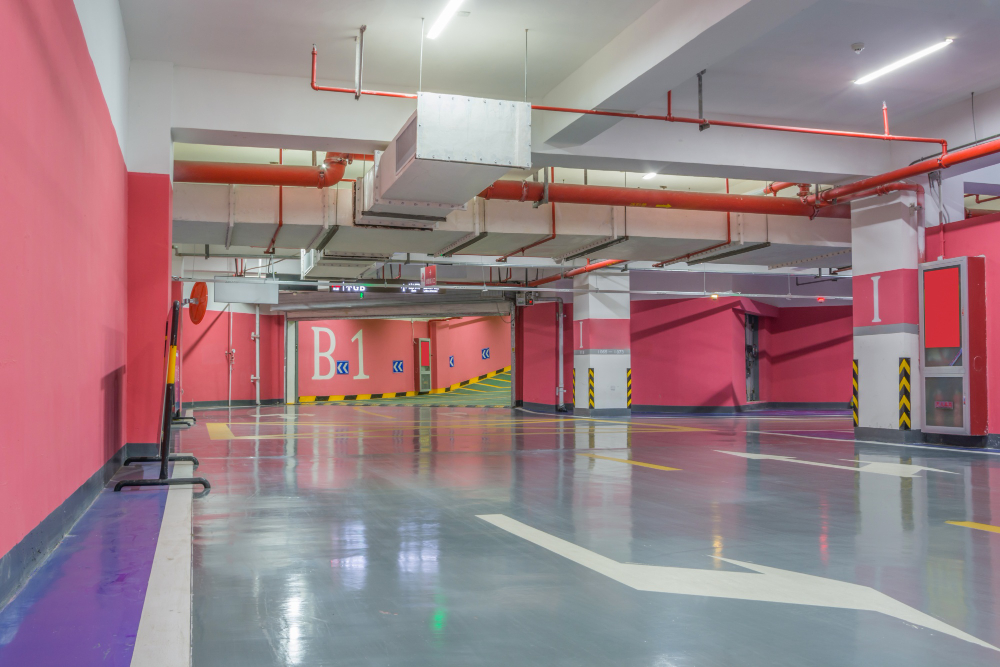
The result is a seamless, glossy surface that resists chemicals, stains, and abrasions. Epoxy coatings transform dull, porous concrete into an attractive, easy-to-clean floor. They’re popular in garages, workshops, commercial kitchens, and industrial facilities throughout Australia.
Average Lifespan Expectations for Different Settings
So, how long should you expect your epoxy floor to last? In residential settings like garages and laundries, a quality epoxy coating typically lasts 10 to 20 years. Commercial spaces with moderate foot traffic can expect 5 to 10 years. Industrial environments with heavy machinery might see 3 to 5 years before requiring maintenance or recoating.
These figures assume proper installation and reasonable care. The actual lifespan varies dramatically based on the factors we’ll explore below. Get everything right, and your floor could exceed these expectations. Cut corners, and you might be looking at repairs within months.
Surface Preparation: The Foundation of Coating Durability
Why Proper Concrete Preparation Matters
Here’s a truth that experienced flooring professionals know well: surface preparation accounts for about 80% of your coating’s success. You could use the finest epoxy available, but it’ll fail if the concrete underneath isn’t properly prepared. The epoxy needs to bond mechanically and chemically with the concrete, and that simply can’t happen on a dirty, smooth, or contaminated surface.
Proper preparation involves cleaning, repairing cracks, and creating a profile that allows the epoxy to grip. Think of it like painting a wall—you wouldn’t slap paint over peeling wallpaper and expect great results.
Common Surface Preparation Mistakes That Shorten Lifespan
Many coating failures trace back to preparation shortcuts. Skipping the cleaning phase leaves contaminants that prevent proper adhesion. Failing to test for moisture means applying epoxy over a damp substrate—a recipe for bubbling and peeling. Not grinding or acid-etching the surface leaves it too smooth for mechanical bonding.
Another common mistake is ignoring existing coatings or sealers. Epoxy won’t stick to previously sealed concrete without proper removal or preparation. These shortcuts might save time initially but cost far more in premature failure.
How Do You Prepare Concrete for Epoxy Coating?
Professional preparation typically involves several steps. First, thorough cleaning removes oil, grease, and dirt. Next, diamond grinding or shot blasting creates the necessary surface profile. Any cracks or damage get repaired with appropriate fillers. Finally, moisture testing confirms the slab is ready for coating.
For best results, the concrete should have a profile similar to medium-grit sandpaper. This gives the epoxy something to grip onto at a microscopic level.
Quality of Materials: Not All Epoxy Coatings Are Equal
Industrial-Grade vs DIY Epoxy Products
Walk into any hardware store and you’ll find epoxy kits promising professional results. However, there’s a significant gap between these consumer products and industrial-grade coatings. DIY kits typically contain lower solid content, thinner application capabilities, and less sophisticated chemistry.
Industrial epoxies offer higher solid percentages, better chemical resistance, and superior abrasion protection. They’re formulated to handle real-world conditions that consumer products simply can’t match.
What Is the Best Epoxy Coating for Concrete Floors?
The best coating depends on your specific application. For residential garages with moderate use, a quality 100% solid epoxy provides excellent durability. High-traffic commercial spaces benefit from polyurethane-modified epoxy or polyaspartic coatings. Industrial environments often require multi-layer systems with specific chemical resistance properties.
When choosing, consider traffic levels, chemical exposure, and aesthetic requirements. A reputable flooring specialist can recommend the right system for your needs.
Understanding Epoxy Thickness and Its Impact on Durability
Thickness matters enormously. A thin coating of 150-200 microns might suit a residential garage. Commercial applications typically require 300-500 microns. Heavy industrial floors might need systems exceeding 1000 microns.
Thicker coatings absorb more impact, resist wear longer, and provide better protection. However, thickness alone isn’t everything—proper application and material quality remain essential.
Environmental and Climate Factors
How Does Australian Weather Affect Epoxy Coatings?
Australia’s climate presents unique challenges for epoxy flooring. From scorching summer heat to coastal humidity, our weather tests coating systems differently than moderate climates. Quality epoxy formulations designed for Australian conditions perform significantly better than generic products.
Temperature Fluctuations and UV Exposure
Standard epoxy yellows and chalks under UV exposure—a real concern for outdoor or semi-outdoor applications in sunny Australia. Polyaspartic or UV-stable polyurethane topcoats solve this problem by providing UV protection.
Temperature fluctuations cause concrete to expand and contract. A rigid coating must accommodate this movement without cracking or delaminating. Flexible epoxy systems handle thermal cycling better than standard formulations.
Humidity and Moisture Considerations
Australia’s humid regions pose particular challenges. High humidity during application affects curing and adhesion. Moisture vapour transmission through concrete slabs—common in older buildings—can cause coating failure from beneath.
Professional installers test for moisture before application and may recommend moisture mitigation systems where necessary.
Traffic and Usage Intensity
Residential Garage Floors vs Commercial Warehouses
A home garage hosting a family car experiences vastly different stress than a warehouse with forklifts operating daily. Residential floors might see a few hundred vehicle movements monthly. Commercial spaces can experience thousands, plus the additional wear from foot traffic, trolleys, and dropped items.
Does Heavy Machinery Damage Epoxy Flooring?
Heavy machinery absolutely affects epoxy lifespan. Forklifts with polyurethane wheels create less damage than hard rubber or solid tyres. Point loads from pallet jack wheels concentrate force dramatically. Proper coating specification accounts for these factors.
Choosing the Right Coating for Your Traffic Levels
Match your coating system to actual usage. Over-specifying wastes money; under-specifying leads to premature failure. Discuss your specific traffic patterns with coating professionals to find the right balance.
Application Process and Professional Installation
Why Professional Application Extends Coating Life
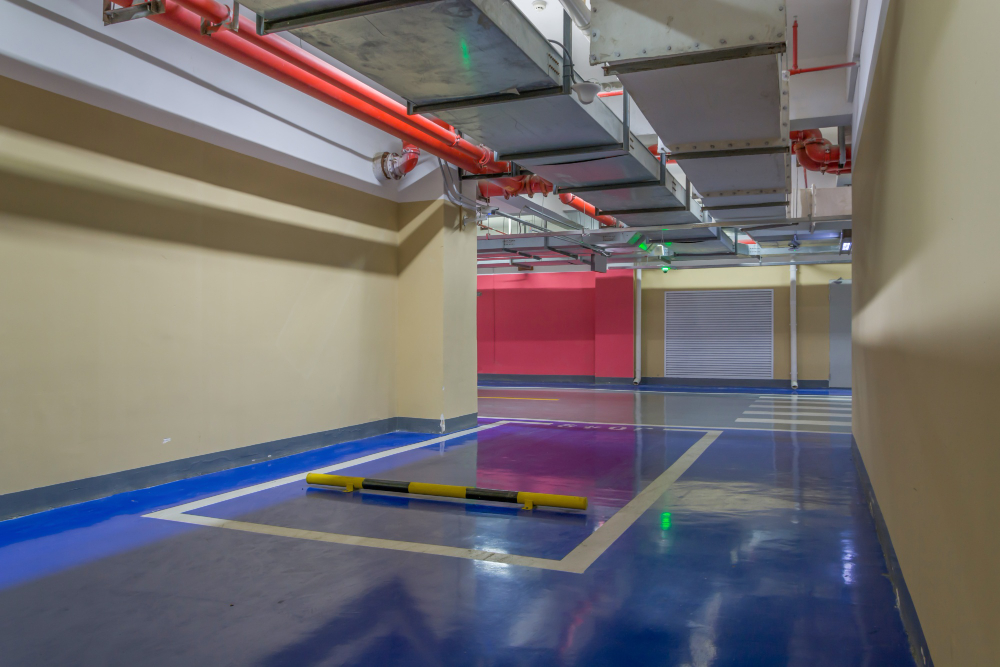
Professional installers bring expertise, equipment, and experience that directly impact longevity. They understand substrate preparation, correct mixing ratios, and proper application techniques. Plus, they work in controlled conditions that optimise curing.
Can You Apply Epoxy Coating Yourself?
DIY application is possible for simple residential projects. However, results rarely match professional work. Common issues include improper mixing, uneven application, and inadequate preparation. If you’re coating a large area or need commercial-grade durability, professional installation makes sense.
Curing Time and Conditions
Epoxy requires specific conditions during curing. Temperature, humidity, and time all affect the final result. Rushing this process—walking on floors too early or applying topcoats prematurely—compromises the entire system.
Maintenance Practices That Maximise Lifespan
How Do You Maintain Epoxy Coated Floors?
Regular maintenance keeps epoxy floors performing well. Sweep or dust mop frequently to remove abrasive particles. Clean spills promptly—while epoxy resists staining, prolonged exposure to certain chemicals can cause damage.
Cleaning Products to Use and Avoid
Use pH-neutral cleaners or diluted ammonia solutions for routine cleaning. Avoid citrus-based cleaners, vinegar, or harsh solvents that can degrade the coating over time. Never use abrasive scrubbers on glossy finishes.
When to Consider Recoating
Light scratching and minor wear are normal. When you notice significant dulling, chemical damage, or wear-through to concrete, it’s time to consider recoating. A maintenance topcoat can extend life considerably without complete replacement.
Signs Your Epoxy Coating Needs Replacement
Peeling, Bubbling and Discolouration
Peeling indicates adhesion failure—often from poor preparation or moisture issues. Bubbling suggests trapped moisture or contamination. Yellowing affects standard epoxy exposed to UV light. These signs indicate the coating is compromised and needs attention.
How Often Should Epoxy Floors Be Recoated?
There’s no fixed schedule. Well-maintained residential floors might never need recoating. Commercial spaces typically require maintenance every 3-7 years. Monitor your floor’s condition and act before damage reaches the concrete.
Getting the Most From Your Epoxy Investment
Concrete epoxy coating Melbourne longevity isn’t about luck—it’s about making informed choices at every stage. From selecting quality materials to ensuring thorough surface preparation, each decision impacts your floor’s performance for years to come.
The key takeaways are straightforward: never compromise on surface preparation, choose materials appropriate for your specific use, consider professional installation for important projects, and maintain your floor properly. These factors together determine whether your epoxy coating lasts five years or twenty.
Ultimately, the best approach is working with experienced professionals who understand Australian conditions and can specify the right system for your needs. A quality epoxy floor represents a significant investment—one that delivers excellent value when done correctly. Take the time to get it right, and you’ll enjoy a beautiful, durable floor for many years ahead.