Essential Tips for Hiring a Plumber in Doncaster
Finding a trustworthy plumber can feel overwhelming, especially when you live in a bustling town like Doncaster where many tradespeople advertise their services. The good news is that by following a clear set of steps, you can avoid common pitfalls and secure a professional who understands local plumbing codes, respects your budget, and delivers quality work. This guide walks you through essential tips for hiring a plumber in Doncaster, offering practical advice, local insights, and answers to the most frequent questions asked by homeowners in the area.
Why Hiring a Local Plumber Matters
Choosing a plumber who lives and works in Doncaster brings several advantages that go beyond mere convenience. Local tradespeople are familiar with the town’s water supply network, the typical age of housing stock, and the specific regulations enforced by the Doncaster Council. This knowledge translates into faster diagnostics, more accurate cost estimates, and a smoother permitting process. Moreover, a local plumber is more likely to have a reputation to protect within the community, which encourages them to provide reliable service and follow‑up support.
Understanding Doncaster’s Housing Landscape
Doncaster’s residential areas feature a mix of Victorian terraces, post‑war council houses, and modern new‑build developments. Each type presents distinct plumbing challenges:
- Victorian terraces often have aging cast‑iron pipes that are prone to corrosion and leaks.
- Post‑war council houses may contain outdated lead solder in copper joints, requiring careful replacement to meet current health standards.
- New‑build homes typically use modern PEX or PVC systems, but they still need proper installation to avoid future failures.
A plumber who has worked extensively in Doncaster will recognize these patterns and suggest the most appropriate solutions for your specific property.
Local Regulations and Compliance
The Doncaster Council enforces strict building regulations for plumbing work, especially when it involves alterations to the main water supply or drainage system. A qualified plumber must be registered with the relevant trade bodies, such as the Chartered Institute of Plumbing and Heating Engineering (CIPHE) or the Gas Safe Register for gas‑related work. Compliance ensures that any work carried out will pass the council’s inspections and that your home insurance remains valid.
How to Find a Reliable Plumber in Doncaster
Finding a reliable plumber starts with research, but it also involves personal interaction and verification. Below are the steps you should take to narrow down your options and select the best professional for the job.
Start with Recommendations
Word‑of‑mouth remains one of the most trustworthy sources. Ask neighbours, friends, or family members who have recently had plumbing work done. Doncaster’s close‑knit communities often share experiences on local forums such as the Doncaster subreddit, community Facebook groups, and the Nextdoor app.
Check Online Reviews and Ratings
Websites like Checkatrade, Trustpilot, and Google My Business provide star ratings and written feedback. Look for patterns in the reviews:
- Consistently high scores for punctuality and cleanliness.
- Specific mentions of “plumber Doncaster” that indicate local expertise.
- Responses from the plumber addressing any concerns, showing good customer service.
Verify Credentials and Insurance
A reputable plumber should be able to provide:
- Proof of registration with a recognized trade body.
- Valid public liability insurance covering accidental damage.
- Gas Safe certification if the job involves gas appliances.
Request Multiple Quotes
Obtain at least three written quotes before making a decision. A detailed quote should break down labor, materials, and any additional fees such as disposal or council permit costs. Comparing these quotes will help you spot unusually low prices that could indicate sub‑standard work.
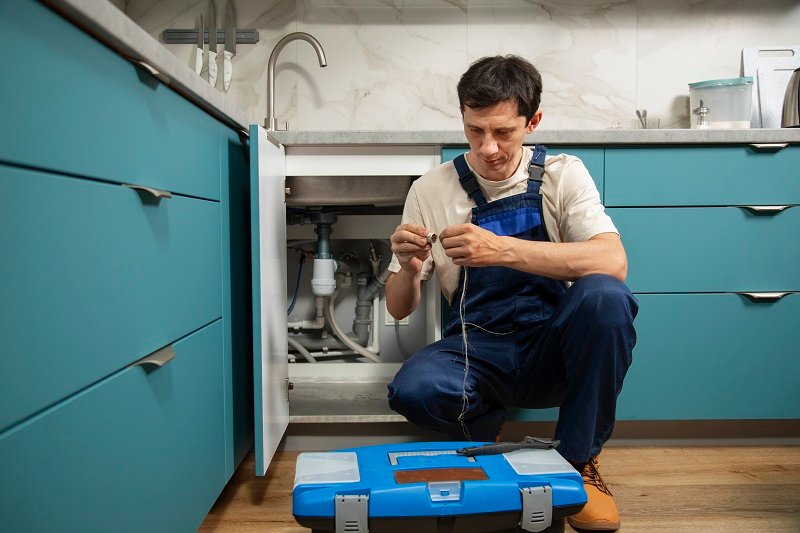
Plumber
Key Questions to Ask Before Hiring
Asking the right questions not only clarifies the scope of work but also reveals the plumber’s professionalism and local knowledge. Below are essential queries to include in your initial conversation.
Experience and Specialisation
- How many years have you been operating as a plumber in Doncaster?
- Do you specialise in any particular type of plumbing, such as boiler servicing, pipe replacement, or bathroom renovations?
Licensing and Insurance
- Can you provide your CIPHE or Gas Safe registration number?
- Do you have public liability insurance, and can you share the certificate?
Work Process and Timeline
- What steps will you take to diagnose the problem?
- How long do you estimate the repair or installation will take?
- Will you need to schedule a follow‑up visit for testing?
Pricing and Payment Terms
- Are there any hidden costs I should be aware of?
- Do you offer a fixed price or an hourly rate?
- What payment methods do you accept, and is a deposit required?
Warranty and After‑Care
- Do you provide a warranty on parts and labour?
- What is the process if a problem re‑occurs after the work is completed?
Understanding Local Regulations and Standards
Doncaster’s plumbing standards are governed by the Building Regulations 2010 (as amended) and local council bylaws. Knowing these rules helps you assess whether a plumber’s proposal meets legal requirements.
Water Supply and Drainage
Any alteration to the main water supply must be approved by the Doncaster Water utility. A qualified plumber will submit a “Notice of Intended Work” and obtain a “Certificate of Compliance” after the job is finished. For drainage, the council requires that all new pipe installations meet the British Standard BS 5250 for drainage and waste systems.
Energy Efficiency and Boiler Regulations
The UK government encourages the installation of energy‑efficient boilers. The Boiler Plus scheme, for example, offers incentives for replacing old boilers with high‑efficiency models. A plumber familiar with these schemes can advise you on eligible products and assist with the paperwork.
Health and Safety
Plumbers must follow the Health and Safety at Work Act and use appropriate protective equipment. When dealing with asbestos‑containing pipework, which can be found in older Doncaster homes, the plumber must follow the Control of Asbestos Regulations 2012.
Evaluating Quotes and Pricing
A quote is more than a price tag; it’s a detailed roadmap of the work to be performed. Understanding each component helps you avoid surprise costs.
Breakdown of Costs
- Labour: Usually calculated per hour or per job. In Doncaster, typical hourly rates range from £45 to £80, depending on experience.
- Materials: Includes pipes, fittings, valves, and any required fixtures. High‑quality brass or copper may cost more but last longer.
- Travel and Call‑out Fees: Some plumbers charge a flat fee for the initial visit, especially if the job is outside normal business hours.
- Permit and Inspection Fees: The council may charge a small fee for inspection of new installations.
Spotting Red Flags
Be wary of quotes that:
- Offer a price significantly lower than the market average.
- Do not specify the type of materials to be used.
- Include vague language such as “additional work may be required” without a clear estimate.
Common Plumbing Issues in Doncaster Homes
Understanding typical problems can help you communicate more clearly with a plumber and set realistic expectations.
Old Cast‑Iron Pipe Corrosion
Many Doncaster properties built before the 1970s still have cast‑iron drainage pipes. Over time, these pipes can rust, leading to reduced flow and occasional blockages. A plumber may recommend a full pipe replacement using modern PVC or ABS pipe to prevent future issues.
Hard Water Build‑Up
The local water supply contains moderate levels of calcium and magnesium, which can cause limescale on taps, showerheads, and boiler heat exchangers. A plumber can install a water softener or provide regular descaling services.
Boiler Faults and Efficiency Loss
Older gas boilers often lose efficiency and may trigger error codes. A qualified plumber can diagnose the fault, replace worn components, or advise on a full boiler upgrade to meet current energy standards.
Blocked Drains and Sewer Line Issues
Blocked drains are common in households with high usage or older pipework. In Doncaster, tree roots can infiltrate underground sewer lines, causing recurring blockages. A plumber equipped with a CCTV camera can inspect the line and recommend targeted root removal or pipe relining.
Tips for Maintaining Your Plumbing System
Preventive maintenance saves money and reduces the likelihood of emergency calls. Here are simple habits you can adopt:
- Regular Leak Checks: Inspect exposed pipes under sinks and in the basement for signs of moisture.
- Flush Water Heaters: Drain and refill the heater annually to remove sediment.
- Install Strainers: Use mesh filters on showerheads and taps to catch hair and debris.
- Schedule Annual Service: Have a plumber conduct a routine inspection before the winter months.
- Know Your Main Stop‑c: Locate the main water shut‑off valve and practice turning it off in case of a burst pipe.
Questions and Answers: Common Questions About plumber doncaster in Doncaster
Below are the most frequently asked questions by homeowners in Doncaster. Each question is bolded for easy reference, followed by a concise, helpful answer.
What are the typical costs for a plumber in Doncaster?
The cost depends on the type of job. A simple repair, such as fixing a leaking tap, usually starts at £70‑£120 for labour plus the price of parts. Replacing a section of drainage pipe can range from £300 to £800, while a full boiler installation may cost between £1,500 and £3,000, including the unit and labour.
How can I verify that a plumber is registered with the Gas Safe Register?
Ask the plumber to show their Gas Safe certificate. You can also check the Gas Safe website by entering their registration number. A legitimate plumber will have no problem providing this information.
Are there any local plumbing companies in Doncaster that specialize in historic homes?
Yes, several firms focus on heritage properties. These specialists understand the constraints of listed buildings and can work with traditional materials such as lead‑lined pipes while complying with modern standards.
What permits are required for a new bathroom installation in Doncaster?
A new bathroom typically requires a Building Notice to the Doncaster Council if it involves alterations to the water supply or drainage. The plumber will handle the paperwork and arrange for a final inspection to ensure compliance.
How often should I have my boiler serviced by a plumber in Doncaster?
Annual servicing is recommended. A yearly check keeps the boiler running efficiently, reduces the risk of breakdowns, and helps maintain the warranty. Many local plumbers offer a service contract that includes a yearly visit.
Conclusion: Your Path to a Successful plumber doncaster in Australia
Hiring the right plumber in Doncaster is a process that blends research, verification, and clear communication. By focusing on local expertise, checking credentials, asking the right questions, and understanding the regulatory landscape, you can protect your home and budget. Remember to compare detailed quotes, maintain your plumbing system proactively, and choose a professional who offers solid after‑care guarantees. Following these essential tips will give you confidence in every plumbing project, from a simple faucet fix to a full bathroom remodel, and ensure that your home’s water and heating systems remain reliable for years to come.
Visit T.P.S Home Improvements for more.