Essential Tips for Choosing the Right Commercial Air Conditioning System
Ever feel like picking the perfect commercial air conditioning setup for your business is overwhelming with all the options out there? The key lies in matching the system to your space needs energy use and local Aussie conditions to keep everyone comfortable without breaking the bank. If you run a shop office or restaurant in Australia where heatwaves hit hard a solid commercial air conditioning system makes all the difference. This guide shares practical tips on types factors to weigh and local insights so you can make a smart choice that boosts productivity and cuts costs.
What Is Commercial Air Conditioning?
Commercial air conditioning refers to larger scale systems designed for businesses offices shops and public spaces. Unlike home units these handle bigger areas with more people ensuring steady temperatures all day. They cool heat and sometimes filter air to fight dust or humidity.
In Australia commercial air conditioning is essential because our climate varies wildly from dry heat in Perth to sticky summers in Brisbane. For instance cafes in Melbourne rely on it to keep customers coming even on 30-degree days. It often ties into building designs focusing on energy rules to lower bills.
Related setups include HVAC systems that add ventilation but commercial air conditioning zeros in on comfort control. Modern versions use smart tech for zoning so you cool busy areas more than quiet ones.
Key Components of Commercial Air Conditioning
Most commercial air conditioning systems share these basics:
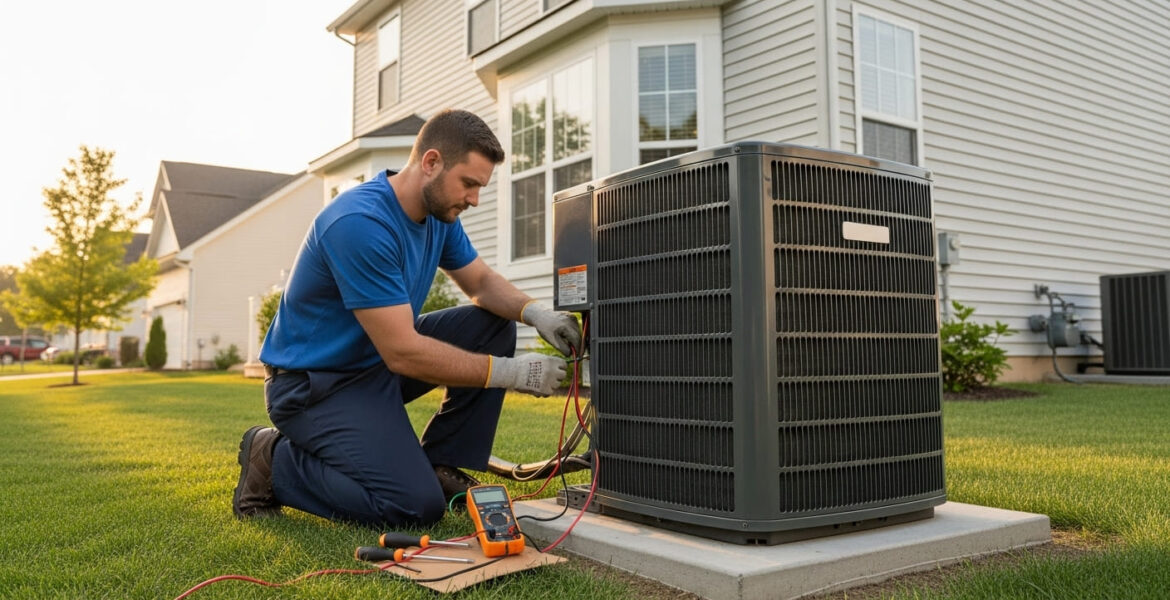
- Central Unit: Sits on roofs or outside managing cooling for the whole building.
- Ducts or Pipes: Carry air or refrigerant to different zones.
- Vents and Diffusers: Spread cool air evenly without drafts.
- Controls: Digital panels or apps let you adjust settings remotely.
These parts work together for reliable performance. Installers in Australia stick to safety codes to avoid issues like leaks.
Types of Commercial Air Conditioning Systems in Australia
Australia offers a few main types of commercial air conditioning to suit different businesses. Picking one depends on your building size and location.
Ducted Commercial Air Conditioning
This type pushes air through ducts hidden in ceilings or walls. It suits open offices or retail stores needing even cooling everywhere. In Sydney high-rises use it to cover multiple floors quietly.
Pros include whole-building control. In hotter spots like Darwin it fights humidity well. Drawbacks are higher install costs if ducts need adding.
Split and Multi-Split Systems
Simpler options with one outdoor unit linked to indoor wall or ceiling units. Great for smaller shops or restaurants where zoning matters. In Brisbane cafes these keep kitchens cool separately from dining areas.
They install fast and run efficiently. Compared to full ducted they cost less upfront but scale up for bigger spaces.
VRV or VRF Commercial Air Conditioning
Variable refrigerant systems connect multiple indoor units to one outdoor one. Ideal for mixed-use buildings like hotels in the Gold Coast. They adjust flow per room saving energy during off-peak hours.
Popular in Australia for flexibility. In energy-focused Victoria they earn high efficiency stars under local labels.
Packaged Units
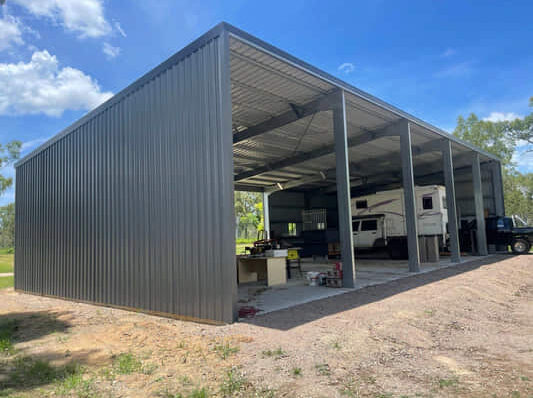
All-in-one boxes placed on roofs or slabs. Common in warehouses or low-rise offices in Perth. They handle heavy loads but need space outside.
Each type fits Aussie needs—ducted for uniformity VRV for precision. Weigh your foot traffic and layout.
Factors to Consider When Choosing Commercial Air Conditioning
Selecting commercial air conditioning means looking at several angles to get it right for your business.
Size and Capacity Needs
Match the system’s power to your square footage. A small cafe needs less than a large office. In humid Queensland oversize units waste energy while undersized ones struggle.
Use load calculations considering windows insulation and people count. Pros can assess this to avoid mistakes.
Energy Efficiency and Running Costs
Australia pushes green choices so pick high-star rated commercial air conditioning. Inverter tech varies speed cutting power use by 40 percent.
With rising energy prices in NSW this pays off quick. Look for models with heat recovery for winter too.
Noise Levels and Aesthetics
Quiet operation matters in client-facing spots like salons in Adelaide. Aim for under 40 decibels. Sleek designs blend into modern builds without clashing.
In heritage areas rules limit visible units so indoor-focused systems win.
Installation and Scalability
Think about future growth. Modular commercial air conditioning like VRV lets you add zones easily. In expanding businesses in Melbourne this avoids full replacements.
Site checks ensure it fits your structure. Coastal salt or bushfire risks in rural areas need tough materials.
Health and Air Quality
Filters trap pollutants great for offices in polluted Sydney. Some systems add UV lights to kill germs post-pandemic.
This keeps staff healthy boosting morale. In food spots ventilation ties in to meet hygiene codes.
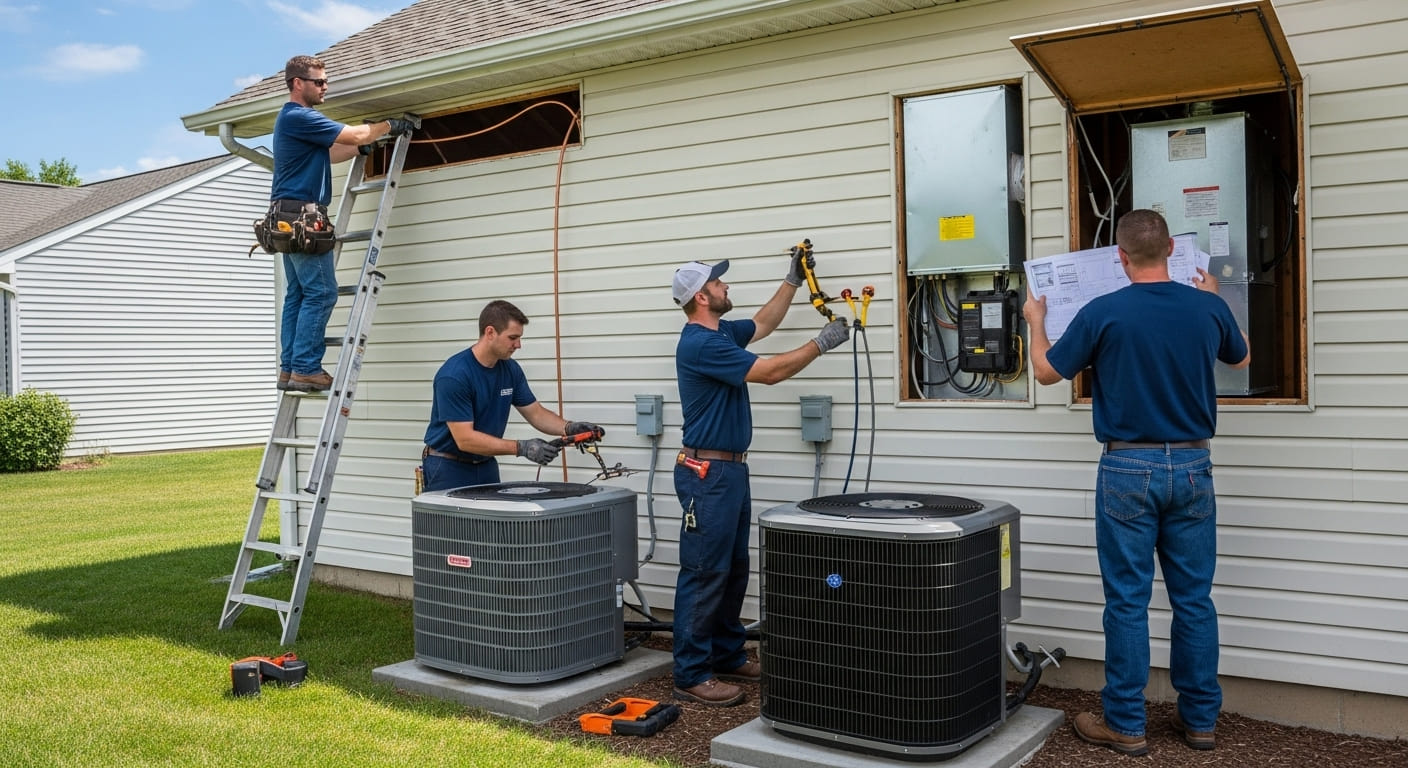
Installation Process for Commercial Air Conditioning in Australia
Setting up commercial air conditioning takes steps to ensure it runs smooth from day one.
Start with a site survey. Experts check layout power supply and airflow paths.
Then:
- Design and Permits: Plan zones and get council nods. In Victoria bushfire zones require fire-rated parts.
- Unit Placement: Position outdoors away from doors. Roof mounts common in flat-roof shops.
- Wiring and Piping: Connect to mains following electrical rules. Test for safety.
- Commissioning: Balance air and calibrate controls. Train staff on basics.
It spans 1-2 weeks for medium sites. Costs vary but licensed teams handle local regs like refrigerant safety.
In tight urban spots like inner-city Brisbane minimal disruption methods keep business open.
Maintenance Tips for Commercial Air Conditioning
- Regular care keeps your commercial air conditioning efficient and trouble-free. Check filters monthly in dusty areas like outback warehouses.
- Annual pro servicing cleans coils and checks refrigerant. Spot issues early like uneven cooling to fix fast.
- In humid Cairns watch for mold—use antimicrobial filters. Log usage to predict wear.
- Simple steps like sealing leaks save 15 percent on energy. Follow schedules to meet warranty terms.
Costs and Energy Efficiency Considerations
Upfront for commercial air conditioning you might spend $10000 to $50000 based on size and type. Ducted runs higher while splits start lower.
Ongoing costs 50 cents to $2 per hour depending on use. Efficient models in South Australia qualify for rebates cutting payback to 3-5 years.
Track with meters. Insulate well to handle Aussie extremes from 45-degree heat to frosts.
Local Regulations and Standards in Australia
Australia enforces rules for commercial air conditioning to ensure safety and eco-friendliness. The National Construction Code sets ventilation and efficiency baselines.
Refrigerant use follows EPA ozone protections. Installs need ARCtick licensed techs.
State tweaks exist—in Queensland noise limits protect neighbors in busy areas. Western Australia drought rules favor low-water systems.
Aussies value practical green tech so commercial air conditioning with solar ties gains traction. Providers compete on quick service while examples like retrofits in old Melbourne factories show adaptability.
Commercial Air Conditioning
Questions and Answers: Common Questions About Commercial Air Conditioning in Australia
Q: What type of commercial air conditioning suits small retail shops in Sydney?
Ans: Multi-split systems work best for zoning cool displays and counters separately. They cost around $8000 to install and run efficiently in humid heat saving on bills.
Q: How do I ensure commercial air conditioning meets energy standards in Victoria?
Ans: Choose 4-6 star rated units under GEMS. Pros handle compliance during setup and rebates from state programs can offset $2000 or more for efficient installs.
Q: Is commercial air conditioning installation disruptive for ongoing businesses in Brisbane?
Ans: Minimal if planned right. Weekend work for ducted systems keeps doors open. Expect 3-5 days total with costs starting at $15000 for medium shops.
Q: What maintenance frequency is needed for commercial air conditioning in Perth’s dry climate?
Ans: Monthly filter cleans and bi-annual servicing for $300 each. Dust buildup is key so this keeps airflow strong and efficiency high per local codes.
Q: Can I upgrade to zoned commercial air conditioning in an older office in Adelaide?
Ans: Yes VRV retrofits add flexibility without full rewiring. Budget $20000 plus but it zones for energy savings in variable occupancy.
Conclusion: Your Path to a Successful Commercial Air Conditioning in Australia
Choosing the right commercial air conditioning boils down to balancing capacity efficiency and local fit for your business’s comfort and bottom line. We walked through types factors installation maintenance and Aussie-specific rules highlighting how options like VRV or ducted tackle our climates head-on.
Assess your space with a pro evaluation next. Compare quotes for compliant setups and tap rebates to ease costs. A well-picked system enhances your workspace reliability. Get started with a consultation and breathe easy knowing your commercial air conditioning delivers year-round.