
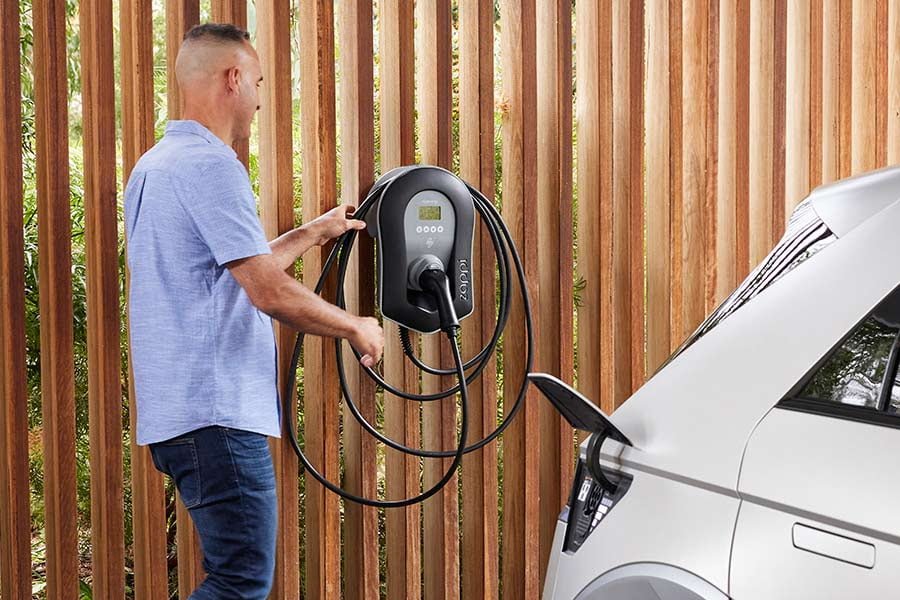
EV Charger Installation The Complete Guide to Safe, Future-Ready Home Charging
The rapid growth of electric vehicles (EVs) is transforming the way people travel. As more homeowners and businesses switch to electric mobility, having a reliable charging solution has become a necessity rather than a luxury. While public charging stations continue to expand, nothing compares to the convenience of charging your vehicle at home or at your workplace. This is where professional EV charger installation plays a vital role.
A properly installed EV charger provides faster charging, greater safety, and long-term reliability. Whether you own your first electric vehicle or are planning to purchase one, understanding the benefits of professional installation can help you make an informed decision.
Why Install an EV Charger at Home?
Charging an electric vehicle using a standard household power outlet is possible, but it is often slow and inefficient. A dedicated EV charging station significantly reduces charging time while ensuring your vehicle receives a stable and consistent power supply.
With a home EV charger, you can simply plug in your vehicle overnight and wake up to a fully charged battery every morning. This convenience eliminates frequent visits to public charging stations and gives you greater flexibility in your daily routine.
Additionally, home charging often costs less than relying solely on public charging infrastructure, helping reduce your overall transportation expenses.
Benefits of Professional EV Charger Installation
Although some people consider DIY electrical work, installing an EV charger requires professional expertise. Certified electricians understand local electrical codes, load calculations, and safety requirements necessary for a successful installation.
Professional installation offers several important advantages:
- Enhanced electrical safety
- Faster and more efficient charging
- Compliance with local regulations
- Proper circuit protection
- Reduced risk of electrical overload
- Longer equipment lifespan
- Warranty protection
- Peace of mind
An experienced installer will also inspect your property’s electrical system to ensure it can safely support the additional electrical load.
Choosing the Right EV Charger
Not all EV chargers are the same. Selecting the appropriate charger depends on your vehicle, driving habits, and future charging needs.
Level 1 Chargers
Level 1 chargers use a standard household outlet. They are inexpensive but charge very slowly, making them suitable only for drivers with minimal daily mileage.
Level 2 Chargers
Level 2 chargers are the most popular option for residential installations. They require a dedicated electrical circuit but can charge vehicles several times faster than Level 1 chargers. Most homeowners choose this option because it offers the ideal balance of speed, convenience, and affordability.
Smart EV Chargers
Modern smart chargers include advanced features such as:
- Wi-Fi connectivity
- Mobile app control
- Energy usage monitoring
- Scheduled charging
- Remote diagnostics
- Integration with solar systems
- Load balancing capabilities
These intelligent features help maximize energy efficiency while reducing electricity costs.
What Happens During EV Charger Installation?
Professional installation follows a structured process to ensure safety and long-term performance.
Initial Site Assessment
The electrician evaluates your home’s electrical panel, parking location, wiring requirements, and charging preferences.
Electrical Capacity Check
Your existing electrical service is inspected to determine whether upgrades are necessary. Some homes may require a larger electrical panel or additional circuit capacity.
Installation of Dedicated Circuit
A dedicated circuit breaker is installed specifically for the EV charger. This protects both the charger and your home’s electrical system.
Mounting the Charger
The charging unit is securely mounted in an accessible location, typically inside a garage or on an exterior wall near the parking space.
Testing and Safety Inspection
After installation, the electrician thoroughly tests the charger, verifies voltage levels, checks grounding, and confirms proper operation before handing over the system.
Common Factors That Affect Installation Cost
Several variables influence the total cost of EV charger installation, including:
- Distance from the electrical panel
- Electrical panel upgrades
- Wiring requirements
- Charger model
- Mounting location
- Permit requirements
- Labour costs
- Property layout
While every installation differs, investing in professional workmanship can help prevent expensive repairs and electrical issues in the future.
Safety Should Always Come First
Electric vehicle chargers handle high-voltage electricity for extended periods. Improper installation may lead to overheating, damaged equipment, electrical faults, or even fire hazards.
Professional electricians use quality components, follow strict safety standards, and ensure every connection is correctly installed and tested. Regular maintenance and occasional inspections can also help maintain optimal charger performance over many years.
Business Benefits of EV Charger Installation
Commercial properties are increasingly adding EV charging stations to attract customers and employees.
Businesses that install EV chargers can enjoy several advantages:
- Improved customer experience
- Increased employee satisfaction
- Enhanced property value
- Competitive business advantage
- Support for sustainability initiatives
- Additional revenue opportunities through public charging
Hotels, shopping centres, apartment complexes, office buildings, and retail spaces are among the many businesses investing in EV charging infrastructure.
Future-Proof Your Property
Electric vehicles are expected to become even more common in the coming years. Installing an EV charger today helps prepare your property for future transportation trends while increasing its market appeal.
Many homeowners now consider EV charging capability an attractive property feature. As technology continues to advance, smart charging systems can also integrate with renewable energy sources and battery storage systems, creating even greater energy efficiency.
Maintenance Tips for Your EV Charger
Keeping your charging station in excellent condition requires minimal effort.
Follow these simple maintenance tips:
- Keep the charging cable clean and dry.
- Inspect connectors regularly for wear.
- Avoid excessive cable bending.
- Schedule periodic electrical inspections.
- Protect outdoor chargers from physical damage.
- Update smart charger software when available.
Proper maintenance ensures consistent charging performance and extends the lifespan of your equipment.
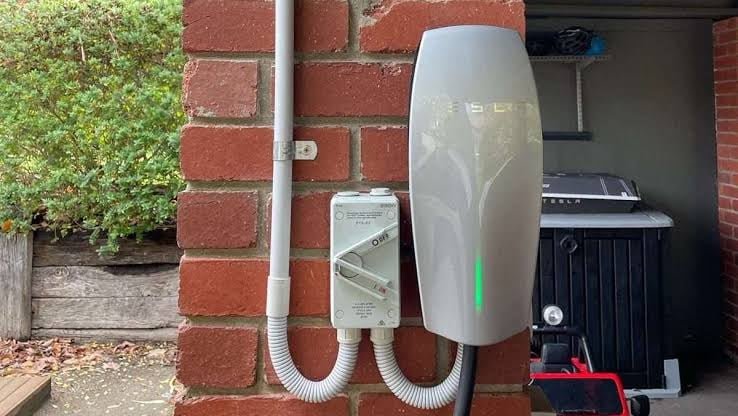
EV Charger Installation
Conclusion
Installing an EV charger is one of the smartest investments for electric vehicle owners. It offers unmatched convenience, improved charging speed, enhanced safety, and long-term savings. Whether you’re charging at home or planning commercial charging facilities, professional EV charger installation ensures your system operates safely, efficiently, and in compliance with electrical standards.
As electric mobility continues to grow, reliable charging infrastructure is becoming an essential part of modern living. By choosing professional installation and high-quality equipment, you can enjoy worry-free charging while preparing your property for a cleaner, more sustainable future.