How to Successfully Sell My Own Home Without an Agent – A Complete Guide
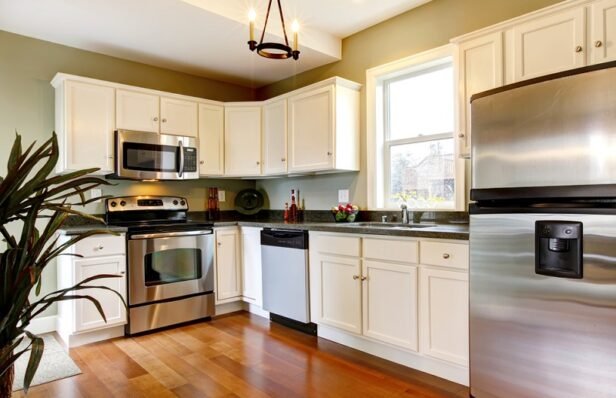
I spent a summer renovating a cottage in the leafy suburb of Kew, Victoria. The project took me three months, a budget of about $45,000, and a lot of late‑night trips to the hardware store. When the new kitchen and the fresh coat of paint were finally done, the market was buzzing. I decided to put my own house on the market and keep the profit for a family holiday.
Going it‑to‑I felt a little wild at first. I kept hearing neighbours brag about the cash they saved by skipping an agent. Their stories pushed me to try it myself, but I quickly discovered that the paperwork feels like a maze.
Why selling your own home can be rewarding
First, you keep the entire sale price. In my case, the final price was $985,000, which meant an extra $30,000 compared with what an agent would have taken as commission. Second, you learn the ins and outs of the market. While I was checking recent sales, I noticed a new light‑rail line slated to open near my suburb in 2027. That piece of information helped me justify a higher asking price.
Finally, you get a sense of pride. When the buyer signed the contract, I felt the same rush I get after finishing a renovation project.
Research recent sales within a 5‑km radius
Start by pulling data from realestate.com.au. I filtered for homes sold in the last six months, with three bedrooms, a single‑story layout, and a similar lot size. I logged each price in a spreadsheet, then calculated the median. In my area, the median was $960,000.
And I quickly realized that to sell my own home you need a solid spreadsheet to track every tweak.
Next, look at the “days on market” column. Most houses sold within 18‑24 days. If a property lingered for more than 40 days, it usually had a price issue or a hidden defect. I noted those outliers and avoided pricing my home in that range.
But I found that a few listings stayed longer because the photos were dim—so I swapped them for brighter shots.
Finally, check council council for upcoming projects. The City of Boroondara had approved a new park and bike path just 800 m from my street. I added that detail to my listing because families love easy access to green space.
So I made a note to highlight the bike path in every ad.
If you want professional help, the team at sell my own home can guide you through staging and marketing.
Pricing your property
Price is the loudest signal you send to buyers, so you must be strategic. I looked at the top comparable sale in my neighbourhood: a four‑bedroom house that sold for $970,000 three weeks before I listed. I decided to list at $960,000, just a hair below that figure. The lower price created a sense of urgency, and I started receiving offers within two days.
But a price that’s too low can raise red flags. Some buyers wonder if there’s a hidden problem. To avoid that, I paired the price with a detailed “Why this home is a great deal” paragraph, citing the recent renovations, the low council rates of $1,200 per year, and the energy‑efficient appliances that saved the previous owners about $800 a on electricity.
Here’s a quick math check: If the highest recent sale was $970,000 and I listed at $960,000, the price difference is only 1.0 %. That small gap is enough to attract attention without scaring people off.
Marketing strategies
Now comes the fun part—showcasing your place. I borrowed a DSLR from a friend, attached a 16‑mm wide‑angle lens, and spent a Saturday morning shooting each room. My friend, who dabbles in photography, helped me set up a simple three‑point lighting kit for the living room. The result? Photos that looked like a magazine spread.
Adding a drone shot of the roof and garden gave the listing a “wow” factor. The aerial view highlighted the mature fig tree and the paved patio, which is a selling point for buyers who love outdoor entertaining. I used a DJI Mini 3 Pro, which cost me $600 to rent for a day, but the extra exposure was worth it.
Because most buyers start online, you need a solid listing description. I wrote a short, punchy headline: “Renovated 3‑bedroom cottage steps from tram, park, and new bike path.” The first 150 characters appear in Google search results, so I made sure they packed the most attractive details.
What should you include in your ad?
- High‑resolution photos (at least 10). I used a mix of wide‑angle shots and close‑ups of the new quartz countertops.
- A floor‑plan showing room dimensions. I created one with a free online tool and added it as a downloadable PDF.
- Key selling points: recent kitchen remodel ($20,000), energy‑efficient appliances (saving $800/yr), low council rates ($1,200/yr), and proximity to the new bike path.
- A short walkthrough video (about 90 seconds). I filmed it on my phone, added subtitles, and uploaded it to YouTube. The video added an extra 2‑3 views per day.
Don’t forget to mention local amenities. I highlighted the nearby café “Bean & Brew,” a 5‑minute walk, and the tram stop on High Street that connects directly to the CBD in 20 minutes.
Legal and paperwork
Australian law requires a Vendor’s Statement (Section 32) and a contract of sale. I hired a local conveyancer for $1,200. Compared with the 2‑3 % commission I would have paid an agent (roughly $20,000 on a $985,000 sale), the cost was a bargain.
If you’re on a tighter budget, many state governments provide free templates online. Just double‑check that the version you download matches the latest Victorian regulations. I downloaded the template, filled in the details about my property’s zoning, and had my solicitor review it for $250.
Key documents you’ll need:
- Section 32 Vendor’s Statement
- Contract of Sale
- Title search (cost about $80)
- Council rates notice
Once everything is signed, you move to the settlement stage. The buyer’s solicitor will request a copy of the title search and the Section 32. I kept all documents in a dedicated folder on Google Drive, which made sharing easy.
Because I thought the inspection fee would be $2,000—actually, the local council offered a free one.
For a quick rundown of financing options, see the guide on sell my own home.
Closing the deal
Negotiations can get intense, so be ready to counter‑offer. I received an initial offer $30,000 below my asking price. After a few rounds of back‑and‑forth, we settled at $15,000 under. Both sides felt they got a fair deal.
A pre‑settlement inspection protects both parties. I hired a building inspector for $350, and the report came back clean. The buyer appreciated the transparency, and the process moved forward without any last‑minute surprises.
Before settlement, confirm the buyer’s finance approval. I asked the buyer’s bank for a “finance certificate” and received it two weeks before the settlement date. Then I arranged a final cleaning service—$200 for a professional crew that left the house sparkling.
On settlement day, I handed over the keys, the appliance manuals, and a small binder with warranty information. The buyer’s excitement was palpable; they told me they could already picture their kids playing in the backyard.
Where to list the property online
The answer is simple: use popular Australian portals like realestate.com.au and Domain. I paid $450 for a premium listing on each site, which gave my property a “Featured” badge and pushed it to the top of search results.
Don’t overlook community Facebook groups. I posted the same photos and description in the “Melbourne Suburb Home Buyers” group, which has about 12,000 members. Within a day, I got three inquiries from locals who loved the idea of staying in the neighbourhood.
Every extra eyeball increases the chance of a quick sale, so I kept the listing active on at least three platforms for the first two weeks, then shifted focus to the ones that generated the most interest.
To understand the broader context, read the discussion on sell my own home.
Set a deadline for offers
When buyers know there’s a cut‑off date, they’re more likely to act fast. I announced in the description that all offers must be submitted by 5 p.m. on 30 September. The deadline created a sense of urgency, and I received four solid offers within the first 48 hours.
Need a quick way to start?
Check out this step‑by‑step guide
Because I’ve been in your shoes, I know the process can feel overwhelming. With a clear plan, you’ll get there.
Final Thoughts
Selling my own home taught me patience, negotiation skills, and a deeper appreciation for my property. If you’re ready to take the plunge, start with a solid price, market smartly, and keep the paperwork tidy.
And if you ever feel stuck, remember that many Australians have walked this path before—there’s a whole community out there ready to share tips. Forums like PropertyTalk are full of stories from first‑time sellers.
So, are you prepared to roll up your sleeves and give it a go? The market is waiting, and the profit could be yours.