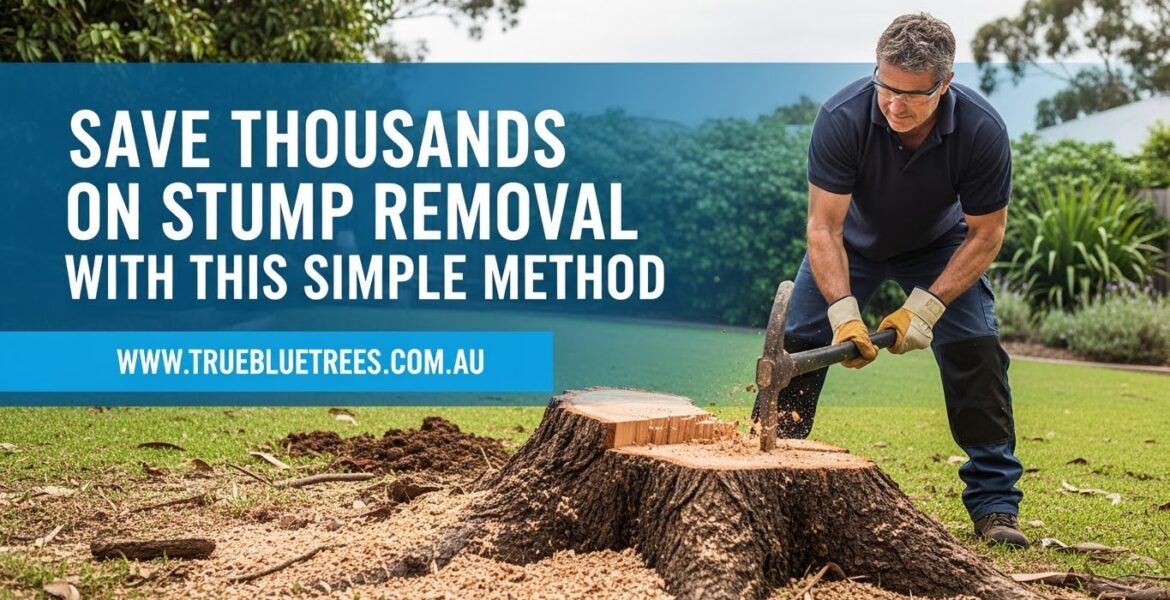
Save Thousands on Stump Removal With This Simple Method
A stump left behind after a tree falls can linger as an unwelcome reminder, sprouting shoots or drawing pests that disrupt your yard. Finding a way to handle stump removal without heavy expenses opens up your space for new uses, like planting or extending the lawn. In Australia, where properties blend with nature and weather tests every corner, a straightforward approach to stump removal makes sense for homeowners seeking efficiency.
This guide reveals a simple method that speeds up stump removal while keeping costs down, drawing from practical steps suited to our conditions. It covers preparation, execution, and local factors that influence the process. You’ll see how this method transforms stump removal into a manageable task, restoring your yard’s potential without drawn-out efforts.
Assessing the Need for Stump Removal
Stumps affect more than just the view—they can hinder growth or create hazards over time. Evaluating your situation helps decide if stump removal aligns with your goals, especially when aiming for a budget-friendly path.
Observe the stump’s state and its role in the yard. Our climate, with wet summers and dry winters, often accelerates issues like rot or regrowth, pushing toward timely stump removal.
Visible Clues Pointing to Stump Removal
Certain features signal when stump removal benefits your property:
- Emerging sprouts that compete with grass or flowers
- Softening wood attracting termites or fungi
- Exposed roots lifting soil or nearby surfaces
- Blockage of mowing paths or garden edges
In Australia, eucalypt stumps decay quickly in humid zones, leading to sinkholes, while arid areas see persistent shoots. These signs make stump removal essential to prevent escalation, allowing healthier yard dynamics.
Broader Effects on Your Landscape
Stumps influence the surrounding area in subtle ways, from shading plants to altering drainage.
Impacts include:
- Reduced sunlight for understory growth
- Moisture retention that breeds moss or insects
- Interference with irrigation or foot traffic
- Visual mismatch in maintained gardens
Aussies value functional outdoor areas for relaxation or family time, so stump removal clears obstacles, enhancing usability. After storms common in the east, multiple stumps demand attention to rebuild resilient spaces.

Stump removal
The Simple Method for Efficient Stump Removal
A chemical-assisted rotting process offers a low-effort way to break down stumps, followed by manual finishing. This method softens the wood over time, making extraction easier and avoiding large equipment.
It suits various stump sizes, providing a controlled stump removal that fits home settings without major disruption.
Why This Method Works for Stump Removal
The approach relies on natural breakdown agents to weaken the stump’s structure.
Strengths:
- Minimal tools needed, using household items
- Gradual process that fits around daily routines
- Less soil disturbance than digging
- Eco-friendly options that align with local practices
In our diverse soils, from sandy coasts to clay plains, this method adapts, promoting stump removal that respects the land. It draws from traditional techniques refined for modern yards.
Step-by-Step Guide to the Method
Follow these phases for smooth stump removal:
- Drill several holes into the stump’s top and sides to expose inner wood
- Apply a rotting substance, such as potassium nitrate, into the openings
- Seal with a cover to hold in moisture and speed decay
- Monitor weekly, breaking off softened pieces as they loosen
- Once reduced, dig out remnants and fill the hole with soil
This sequence ensures stump removal progresses steadily, with the chemical doing heavy lifting. In wetter regions, natural humidity aids the process, while drier spots benefit from added water.
Preparing and Executing Stump Removal Safely
Setup plays a key role in keeping stump removal on track. Protecting the area and timing the work prevent setbacks.
Start by isolating the stump, then proceed with care to maintain progress.
Essential Preparations for Stump Removal
These actions set a solid foundation:
- Clear surrounding vegetation to access the base
- Check for buried lines to avoid damage
- Gather protective gear like gloves and masks
- Choose a dry period to start the treatment
Australia’s utility mapping services help locate hazards, ensuring safe stump removal. In fire-risk areas, avoid open flames near treated wood to comply with seasonal bans.
Handling the Finish of Stump Removal
After softening, the final pull-out completes the job.
Tips for closure:
- Use a shovel to loosen remaining roots
- Backfill with topsoil to level the ground
- Seed grass or add mulch to cover the spot
- Water regularly to encourage new growth
This wraps up stump removal neatly, blending the area back into your yard. Coastal properties might add salt-resistant plants post-removal, while inland ones focus on drought-tolerant options.
Australian Context for Stump Removal
Stump removal in our country weaves in environmental care and regional rules. Many locales require notices for works impacting shared land or protected species.
Guidelines vary: Urban councils oversee boundary effects, while rural ones emphasize water use. We cherish green spaces for biodiversity and leisure, so stump removal often leads to thoughtful replanting. Dry conditions heighten the need for quick action to curb invasive regrowth.
Examples: In eastern suburbs, stump removal follows cyclone cleanup, restoring parks for community events. Western arid zones use the method to prepare for native shrubs. Services range from individual experts to coordinated teams, each tailoring stump removal to soil types and weather patterns.
Our practical mindset favors methods that sustain the land, with stump removal enabling space for fruit trees or native undergrowth. Alternatives like in-place mulching serve wildlife, but full clearance supports active yards.
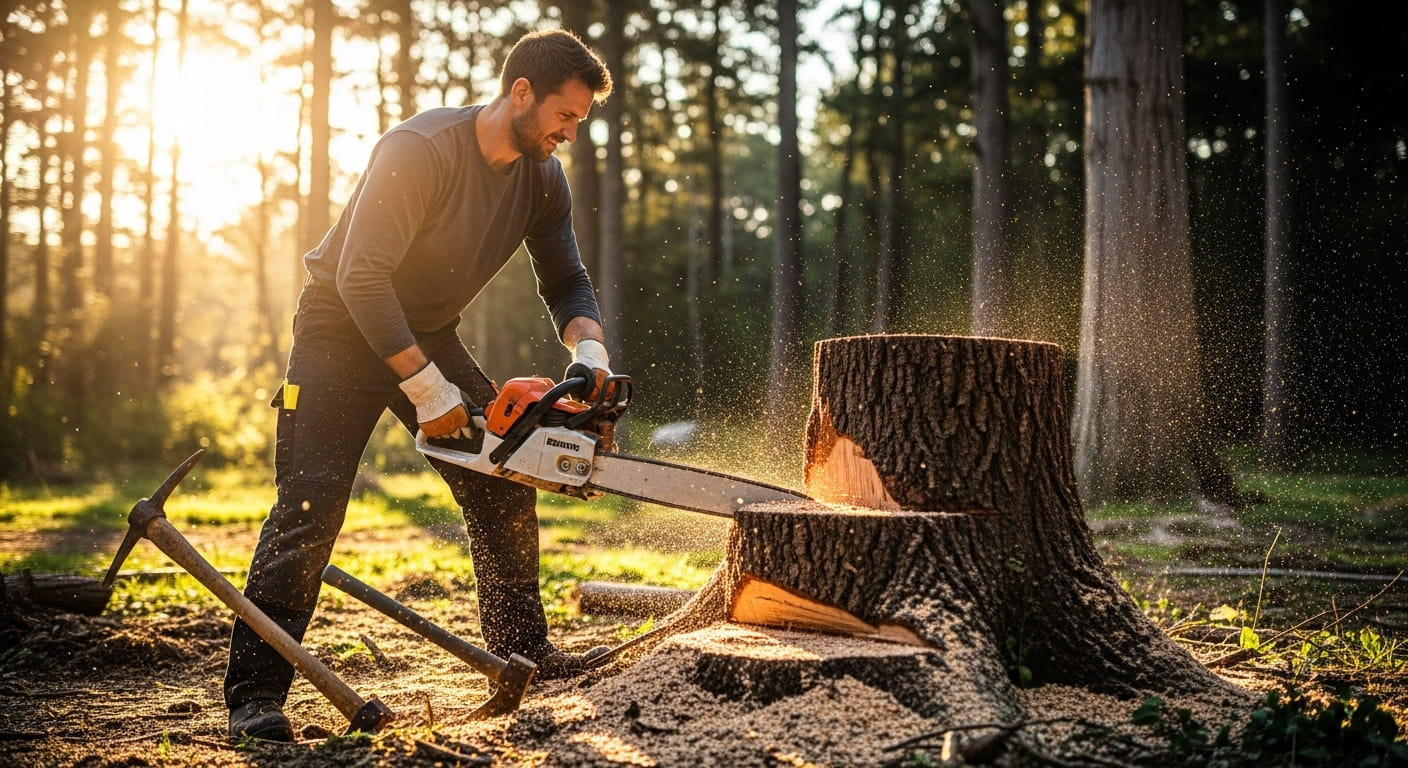
Stump removal
Questions and Answers: Common Questions About Stump Removal in Australia
Q: How does weather affect the speed of stump removal?
Ans: Rain hastens rotting in humid areas, while sun dries wood in the outback. Timing stump removal around seasons optimizes results.
Q: What rules apply to stump removal near neighbors?
Ans: Boundary approvals prevent conflicts—local plans guide the work. Stump removal respects these to foster good relations.
Q: Does stump removal aid in pest control here?
Ans: Yes, eliminating decay sources deters termites. This supports preventive stump removal in vulnerable homes.
Q: How does stump removal fit fire management?
Ans: Clearing remnants reduces fuel loads. Many incorporate stump removal into broader safety plans.
Q: What replaces the stump after removal?
Ans: Soil and seeds restore the area. Stump removal paves the way for diverse plantings suited to the climate.
Conclusion: Your Path to a Successful Stump Removal in Australia
Saving on stump removal through a simple chemical method involves assessing needs, preparing carefully, and following a steady breakdown process. The guide explains signs like regrowth or hazards, step-by-step execution, and finishing touches for recovery. Australia’s rules for land care and regional adaptations position stump removal as an accessible solution—from backyard plots to larger estates.