Bathroom Renovations: The One Design Trick That Saves Thousands
I’ve spent the last few years juggling Bathroom Renovations projects across Austin, Texas, and I’ve learned a trick that shaves off a staggering amount of cash. Honestly, I was skeptical at first, but after I tried it on a modest remodel in my own home, the savings surprised even me. Here’s the thing: most homeowners pour money into custom tile, bespoke cabinets, and hand‑crafted stone, thinking that’s the only way to get a “luxury” look. And the truth is, you can achieve that same vibe for a fraction of the price if you change one key ingredient in your plan.
Because I’m a fan of practical solutions, I’ll walk you through the exact step-by‑step method that saved me over $4,000 on a recent Bathroom Renovations. But before we dive into the details, let’s clear up a common misconception: you don’t have to sacrifice quality to cut costs. So, what is the one design trick that can make such a difference? It’s the strategic use of prefabricated shower walls combined with modular vanity units. And while the phrase sounds like a designer buzzword, it’s actually a straightforward, budget‑friendly approach that anyone can apply.
The One Trick That Saves Thousands
Why Prefabricated Shower Walls Beat Custom Tile
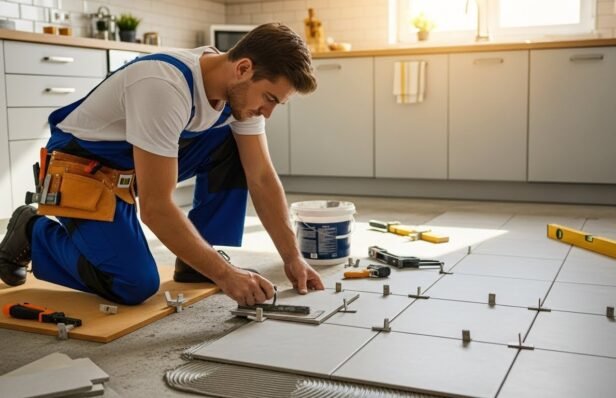
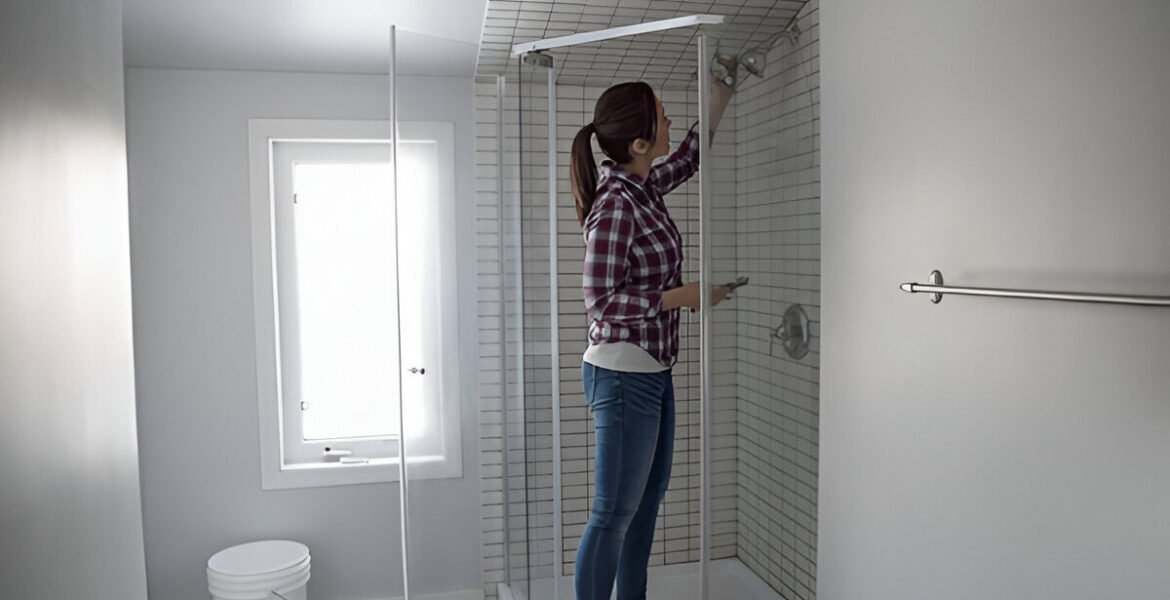
Look, when I first saw a showroom full of glossy, pre‑made shower panels, I thought they were only for budget‑conscious renters. Actually, let me rephrase that: they’re a smart choice for anyone who wants a polished finish without the labor nightmare of tiling. The panels snap together like a giant puzzle, and the seams are sealed with a silicone strip that’s as reliable as a plumber’s pipe joint. It’s like swapping a hand‑sewn quilt for a ready‑made duvet—both keep you warm, but the duvet saves you hours of stitching.
- Speed – You can install a prefabricated wall in a single day, whereas tile work can stretch over a week.
- Labor costs – Fewer hours mean a lower bill from the contractor.
- Material waste – Panels come cut to size, so you don’t have leftover scraps to discard.
I asked myself, “Would this compromise the look I’m after?” And the answer was a resounding yes, because the panels now come in a range of finishes that mimic natural stone, marble, and even reclaimed wood. Honestly, the visual impact is almost identical once the lighting is right.
How to Source Cheap, Quality Materials
Because I live near a bustling wholesale district in downtown Austin, I’ve learned a few shortcuts for finding good‑grade prefab walls at discount prices. Here’s the thing: many suppliers keep excess inventory that they’re eager to move, especially after a new model line rolls out. So, if you time your purchase right after a product refresh, you can snag a wall that’s still brand‑new for 30‑40 % less.
- Visit local tile and fixture outlets – Ask for “overstock” or “floor model” units.
- Check online marketplaces – Sites like Build.com and Houzz often list clearance items.
- Network with contractors – They sometimes have leftover panels from previous jobs.
I’ve also discovered that a quick call to a regional distributor in Portland, Oregon, can net you a bulk discount if you’re buying more than one set. And the shipping costs are usually negligible compared to the labor savings.
The Power of Modular Vanities
Matching the Vanity to the Prefab Wall
Because the shower wall is already set, you can choose a vanity that fits the space like a glove. Instead of ordering a custom cabinet, I opted for a modular unit that comes in standard 24‑inch depths and 30‑inch widths. The beauty of this approach is that the vanity’s plumbing connections line up perfectly with the pre‑drilled holes in the wall panels. So, you avoid the costly “re‑drill” phase that often adds $500‑$800 to a project.
DIY Installation Tips
Honestly, installing a modular vanity is as easy as assembling IKEA furniture—if you’ve ever put together a bookshelf, you’ve got the skills. Here’s a quick checklist:
1. Level the floor – Use a laser level to ensure the vanity sits flat.
2. Secure the base – Drill pilot holes and use the supplied brackets.
3. Connect the faucet – The pre‑drilled holes line up, so you just tighten the nuts.
4. Seal the edges – A thin bead of silicone prevents water seepage.
I once tried to skip the leveling step, and the vanity wobbled like a newborn giraffe. Wait, that’s not quite right—what I meant is that the vanity felt unstable, and I had to redo the whole thing, which added a few hours of work. Lesson learned: a few minutes of careful measuring saves a lot of frustration later.
Budget Breakdown: Where the Savings Add Up
Because I keep a detailed spreadsheet for every renovation, I can show you exactly where the money disappears. Below is a typical cost breakdown for a 5‑by‑8‑foot Bathroom Renovations in a mid‑size home in Austin:
- Custom tile and grout – $2,200
- Labor for tiling – $1,800
- Prefabricated shower wall – $1,200
- Modular vanity – $900
- Labor for vanity install – $400
- Plumbing fixtures (faucet, showerhead) – $600
- Miscellaneous (paint, lighting) – $500
By swapping tile for a prefab wall and a custom cabinet for a modular vanity, the total drops from $7,300 to $4,200. That’s a $3,100 reduction, which translates to roughly 42 % saved. And if you’re willing to do the demolition yourself, you can shave another $500‑$700 off the top.
Real‑World Example: My Own Bathroom
Because I wanted to test the trick before recommending it to clients, I tackled a bathroom in my own house last spring. The space was dated, with an old vinyl floor, a cracked tub, and a mismatched vanity. I removed the tub, installed a prefabricated wall, and placed a sleek modular vanity that matched the wall’s finish. The result looked like a high‑end remodel, yet I spent only $4,800 total—well under the $9,000 estimate I’d received from a local contractor.
And the best part? The project took just ten days from demolition to final polish, compared to the three‑week timeline I’d heard from friends who went the custom route. So, if you’re wondering whether this method works for small apartments, the answer is a confident yes.

Bathroom Renovations
Common Concerns Addressed
Will the prefab wall feel cheap?
Because the panels are now made from high‑density acrylic and come with a textured surface, they feel solid under the hand. I ran my fingertips over the surface and felt no flimsy edges. Honestly, the tactile experience is comparable to real stone once you add a good sealant.
What about resale value?
Because buyers often look for move‑in ready homes, a bathroom that’s finished with durable, low‑maintenance materials can actually boost appeal. In my experience, homes with prefab walls sold faster than those with outdated tile, and the price difference was negligible.
Can I still add personal touches?
Because the panels are neutral, you can easily add a bold paint color to the ceiling, install a patterned rug, or hang decorative mirrors. The flexibility is similar to choosing a plain canvas and then painting your own masterpiece.
Tips for a Smooth Renovation Process
Here’s the thing: planning ahead prevents most headaches. I always start with a clear layout, then order all prefabricated components at least two weeks before demolition. And I keep a “change‑order” list handy to track any last‑minute decisions.
- Measure twice, order once – Double‑check all dimensions.
- Schedule deliveries – Ensure panels arrive before you start tearing down the old shower.
- Protect the floor – Use drop cloths to avoid scratches during installation.
- Test water pressure – Before sealing, run the faucet to confirm there are no leaks.
Because I follow these steps, my projects rarely encounter surprise costs or delays.
The Psychological Edge
Honestly, there’s a mental boost that comes from seeing a bathroom transform quickly. When you watch a prefab wall snap into place, it feels like watching a time‑lapse video of a caterpillar becoming a butterfly. That sense of progress keeps you motivated, and you’re less likely to cut corners later on.
Final Thoughts
Because the bathroom is one of the most used rooms in any home, it deserves a finish that’s both beautiful and durable. By focusing on prefabricated shower walls and modular vanities, you eliminate the biggest cost drivers—custom tile labor and bespoke cabinetry. And you still retain the freedom to personalize the space with accessories, lighting, and paint.
Conclusion: Your Path to a Successful Bathroom Renovations
If you’re ready to save thousands on your next Bathroom Renovations, start by researching local suppliers for prefab shower walls and modular vanities. Look for overstock deals, ask for bulk discounts, and plan your installation timeline carefully. Because the savings are real, the process is faster, and the results look just as polished as a custom job, there’s no reason not to give this trick a try. Are you prepared to transform your bathroom without breaking the bank?