
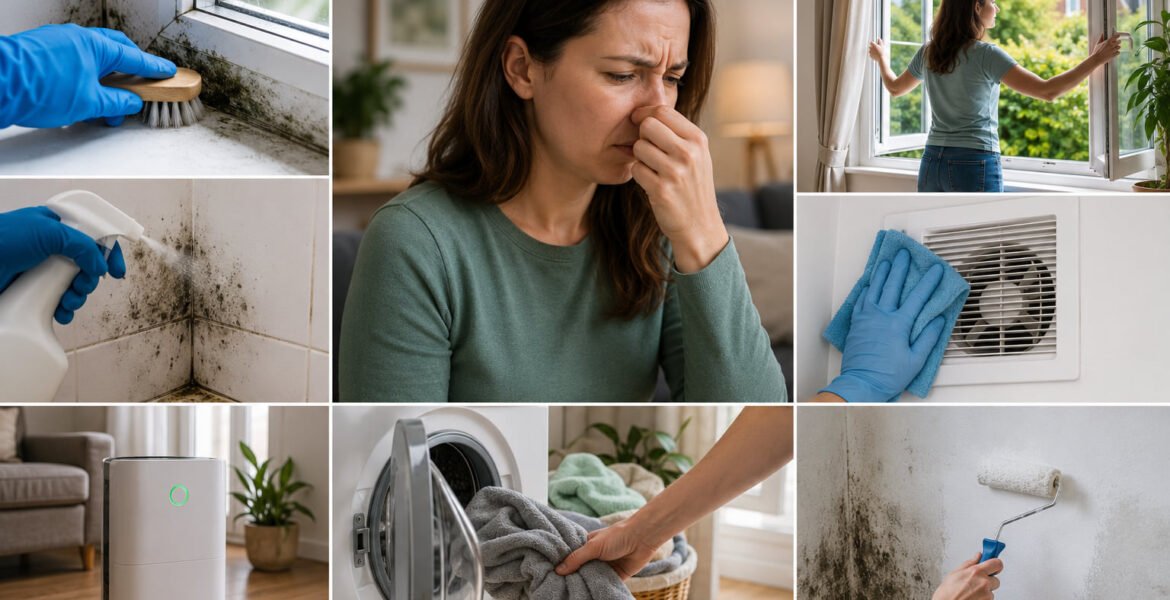
Banish Musty Smell Fast: How to Get Rid of Musty Smell in UK Homes (London, Manchester & Beyond)
If you’re asking how to get rid of musty smell in a UK flat, you’re not alone — From a Camden basement to a Manchester terraced house, that damp, mouldy odour can creep in through walls, floors, or even a forgotten carpet. The first step is to understand why the smell is there, then knock it out at the source. Below you’ll find a practical, step‑by‑step guide that blends DIY tricks with professional advice, all written from a seasoned home‑improvement perspective.
1. Why the Musty Smour Happens – The Basics of Damp Odour —
The musty smell is usually caused by microbial volatile organic compounds (MVOCs) released by mould and mildew — In the UK high humidity poor ventilation and hidden leaks are the usual suspects. Honestly from what i’ve seen the problem shows up most often in older properties with solid walls but even new builds can suffer if ventilation isn’t set up right.
- Typical humidity levels that encourage mould: 60 % RH or higher.
- Common sources: leaking gutters, faulty pipe joints, condensation on double‑glazed windows.
- Health note: prolonged exposure can trigger headaches, dizziness, or asthma flare‑ups.
2. Spotting the Source – How to Get Rid of Musty Smell in a UK Flat
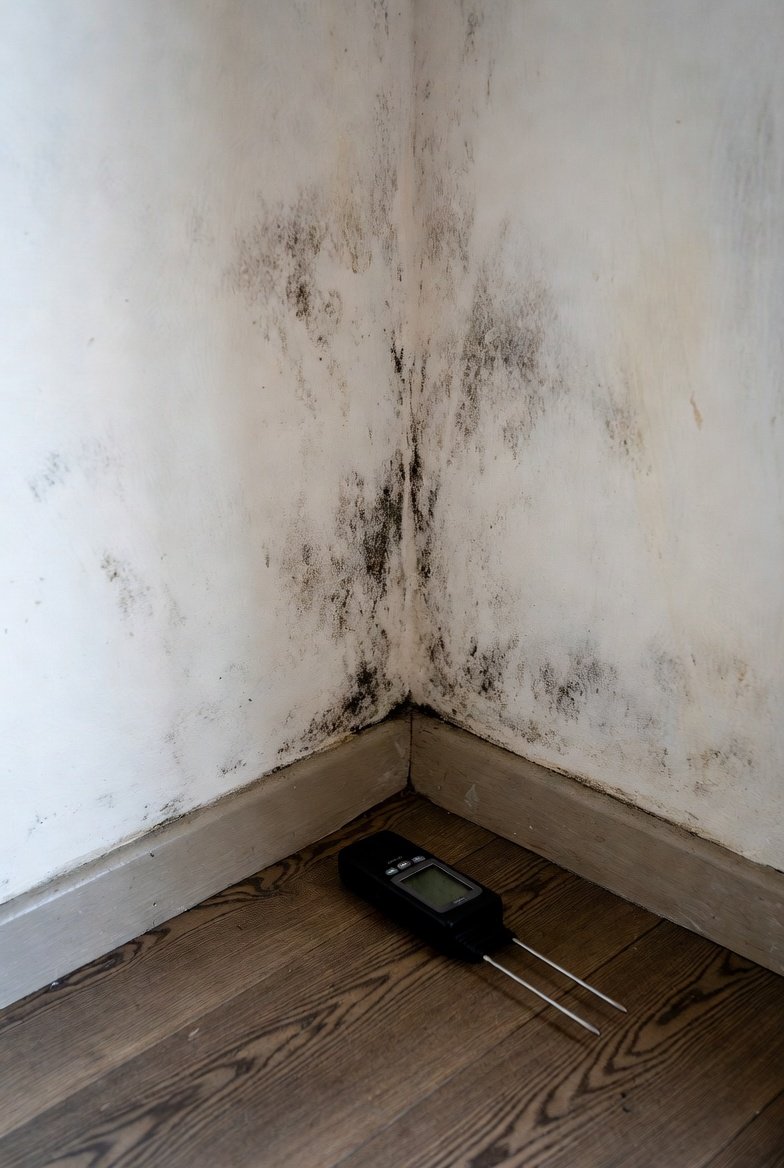
Identify hidden damp spots and mould on walls to trace the musty odor source.
Before you start scrubbing locate the culprit. A quick visual sweep plus a few cheap tools will tell you where the moisture is hiding.
- Check under sinks and behind appliances for water stains.
- Use a handheld moisture meter (available from DIY stores for £15‑£30) on walls & ceiling joists.
- Look for cold spots on windows – they often mean condensation is forming.
- Sniff inside cupboards, especially under the sink, for a stale, earthy scent.
Once you’ve pinpointed the wet area, you can move on to the right treatment. If the source is a small leak, a simple repair may be enough — If the walls are damp, you’ll need a more thorough approach.
3. Quick DIY Fixes – DIY Ways to Get Rid of Musty Odour UK
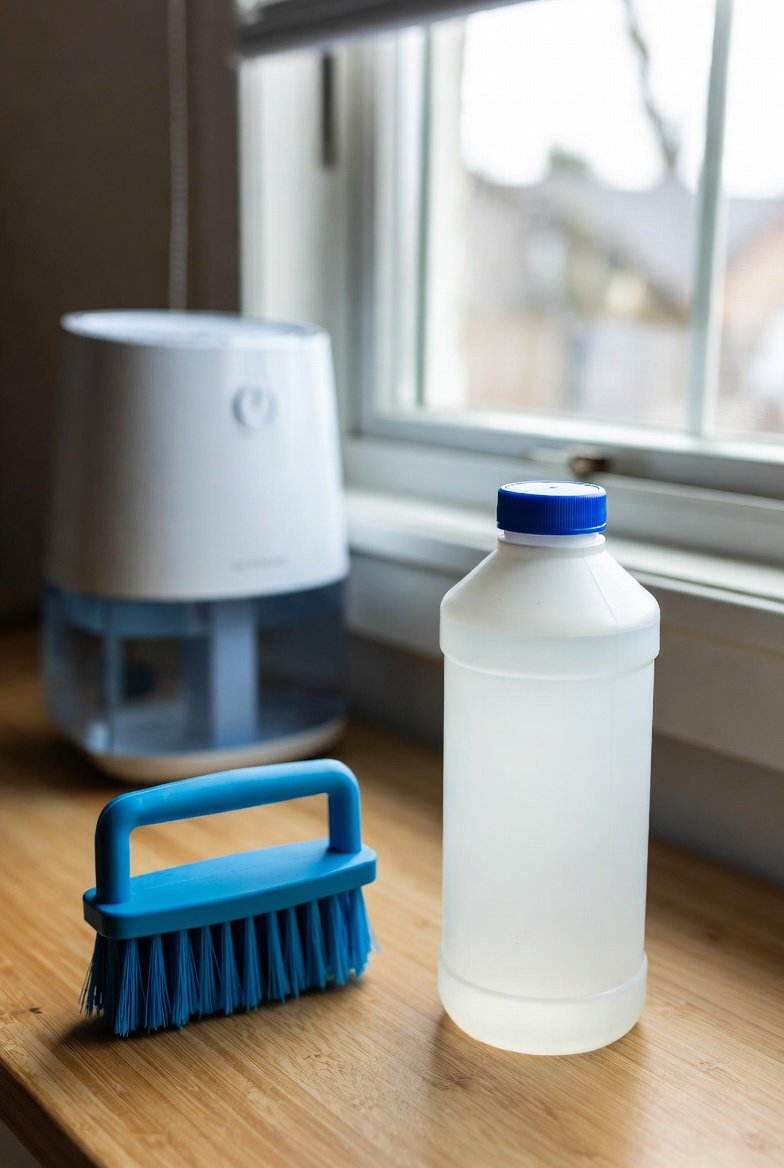
Essential tools for a fast, DIY musty‑smell solution.
For most households, a combination of ventilation, cleaning, and dehumidification does the trick. Here’s a recipe that works on plaster, timber, and fabric surfaces.
- Mix one part white vinegar with two parts water in a spray bottle.
- Apply to affected walls, let sit 10 minutes, then scrub with a soft brush.
- Rinse with clean water and dry with a clean cloth.
- For stubborn spots, add a teaspoon of baking soda to the vinegar solution.
Safety first: wear gloves, a mask, & ensure the room is well‑ventilated while you work. After cleaning, run a dehumidifier set to 45‑50 % RH for at least 24 hours. A good portable unit costs £150‑£500, according ✅to Which? (2026).
4. When to Call a Pro – Professional Options and Costs —
If the smell persists after DIY attempts, it’s time to bring in a qualified damp‑proofing specialist. A registered damp surveyor (RDS) can test for hidden leaks, assess cavity‑wall moisture, and recommend long‑term fixes.
| Option | Typical Cost (2026) | Pros | Cons |
|---|---|---|---|
| DIY Vinegar & Baking Soda | £10‑£20 for cleaning supplies | Low cost, easy to apply | May not reach deep‑set mould |
| Commercial Mould Remover (e.g., Zep, HG) | £12‑£30 per can | Stronger chemicals fast action | Requires protective gear |
| Professional Damp‑Proofing (FENSA‑approved) | £800‑£2,500 for a standard terraced house | Guarantees lasting solution, certified work | Higher upfront cost |
Professional services are usually backed by a 10‑year guarantee under BS 8216, and many firms are members of the British Institute of Building Control (BIBC). The price range comes from the Home Builders Federation (2026) and Consumer Reports UK (2026).
5. You know? Long‑term prevention – home ventilation tips uk & dehumidifier guide uk
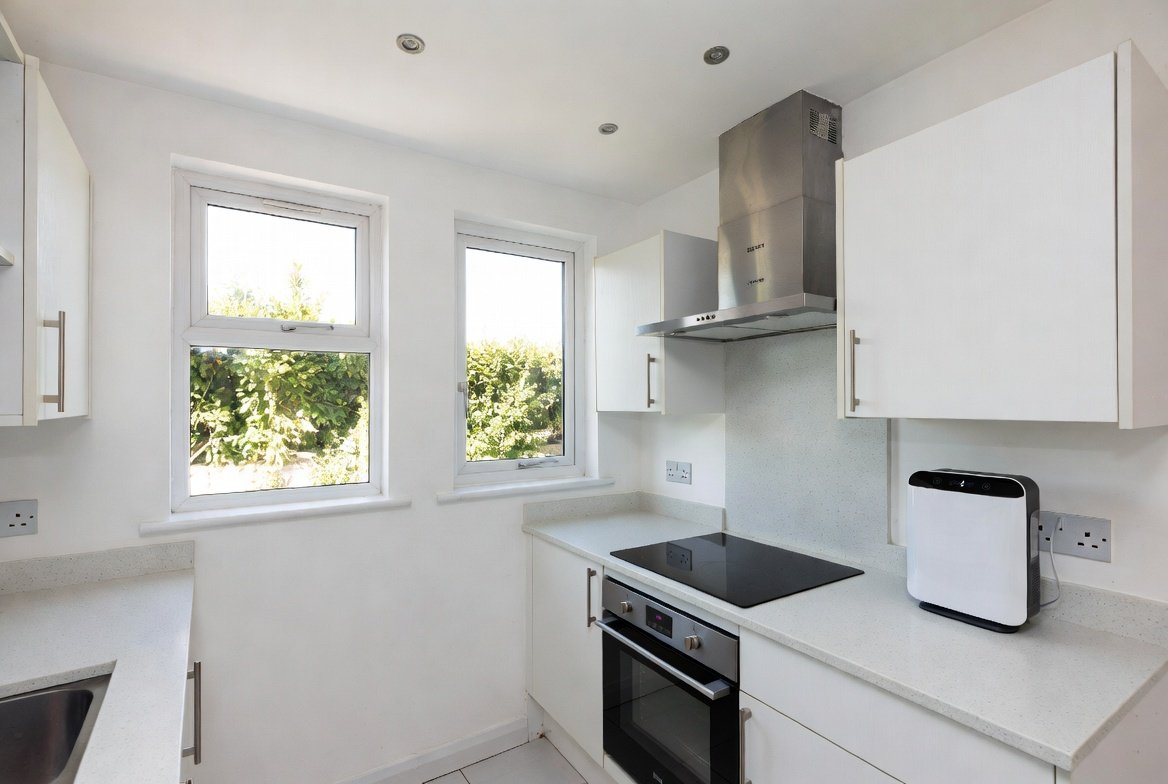
Ventilation and dehumidifiers keep homes dry long‑term.
Stopping the musty odour before it starts is the smartest move. Here’s a checklist to keep your home dry year‑round.
- Install exhaust fans in bathrooms and kitchens; run them for at least 15 minutes after use.
- Consider a positive input ventilation (PIV) system for ground‑floor flats – they cost £300‑£800.
- Keep indoor humidity between 40‑60 % RH; a digital hygrometer (≈£20) helps you monitor.
- Inspect roof gutters and downpipes every spring; clear debris to avoid water ingress.
- Seal any gaps around windows and doors with weather‑stripping.
For properties with limited airflow like Victorian basements a low‑energy dehumidifier (rated 20 L/day) can run continuously on a timer — The energy consumption is about 0.3 kWh per day keeping running costs low.
See, real‑world case study – manchester flat, 2024
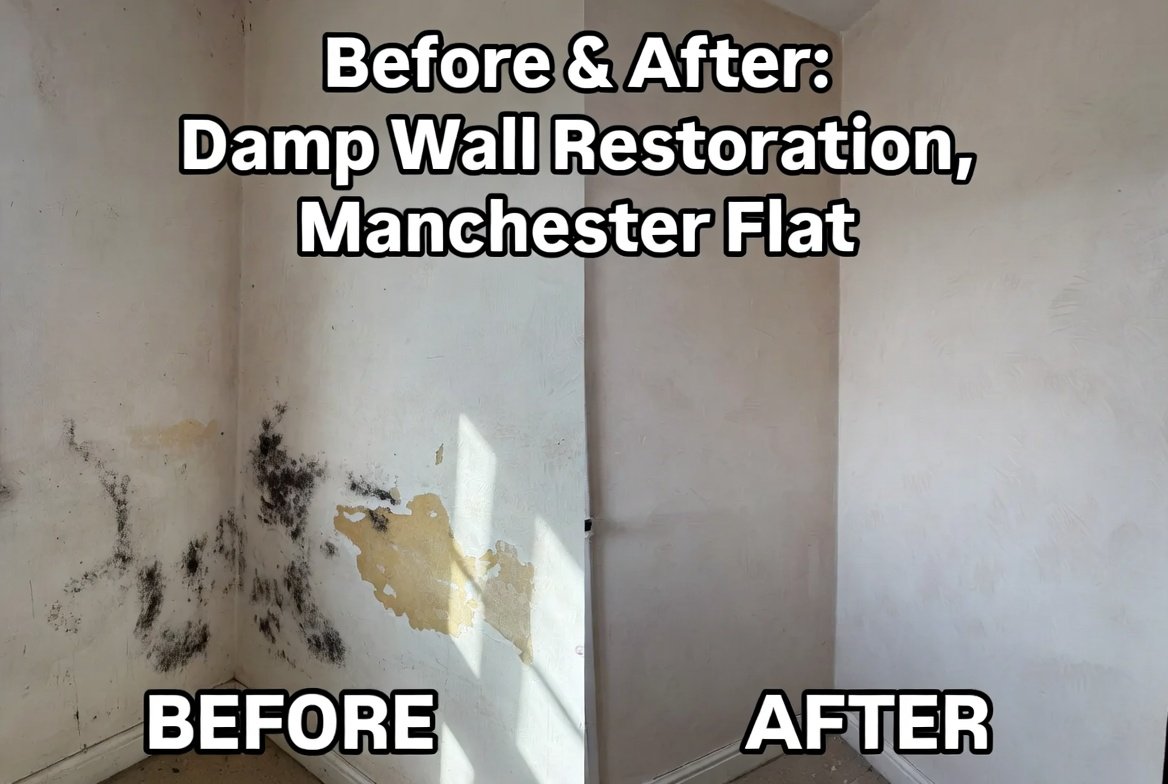
Real‑world example of successful damp remediation.
Emma, a tenant in a two‑bedroom flat on Ancoats, complained of a persistent musty smell that made the living room feel oppressive — She tried opening windows and using scented candles, but the odour returned each evening.
Following the steps above, she first used a moisture meter and discovered a hidden leak behind the kitchen sink cabinet. The pipe joint was corroded, letting a slow drip seep into the surrounding plaster. Like, emma called a registered damp surveyor, who repaired the pipe & applied a breathable damp‑proof membrane to the affected wall — She then ran a dehumidifier at 45 % RH for three days and used the vinegar‑baking‑soda cleaning method on the walls.
Within a week the musty odour vanished. Post‑remediation humidity readings stayed at 48 % RH and a follow‑up inspection confirmed no mould regrowth. Emma saved roughly £200 on cleaning supplies and avoided a potential £1,200 repair bill by catching the leak early. The case illustrates how a systematic approach—spotting the source fixing it, & then drying the space—eradicates the smell without costly over‑hauls.
Faq – quick answers to common questions
How long does mould need to develop before a musty smell appears?
Typically, visible mould appears after 48‑72 hours of sustained high humidity, but the odour can be detectable within a day of moisture exposure.
Can I just mask the smell with air fresheners?
No. Hides the problem and can worsen indoor air quality. The right move is to eliminate the moisture source and clean the affected area.
Do I need a certified professional for every damp issue?
Not always. Small leaks and surface mould can be tackled with DIY methods. However hidden cavity‑wall damp or extensive structural issues require a CIBSE‑approved or FENSA‑registered specialist.
What’s the best dehumidifier for a one‑bedroom flat?
Look for a unit rated 10‑15 L/day with an auto‑humidistat — Brands like Meaco & Eco‑Air meet UK energy‑efficiency standards and cost between £150‑£300.
Are there any tax reliefs or grants for damp‑proofing?
The UK government’s Energy Company Obligation (ECO) sometimes covers part of the cost for eligible households. You know? Check the latest guidance on the department for business, energy & industrial strategy (beis) website.
By following these steps and using the right tools, you’ll learn how to get rid of musty smell fast and keep your home fresh for the long haul. Remember, the key is to control moisture, clean thoroughly, and maintain proper ventilation. If you ever feel stuck, a certified damp specialist can give you peace of mind and a guarantee that the problem won’t return.